
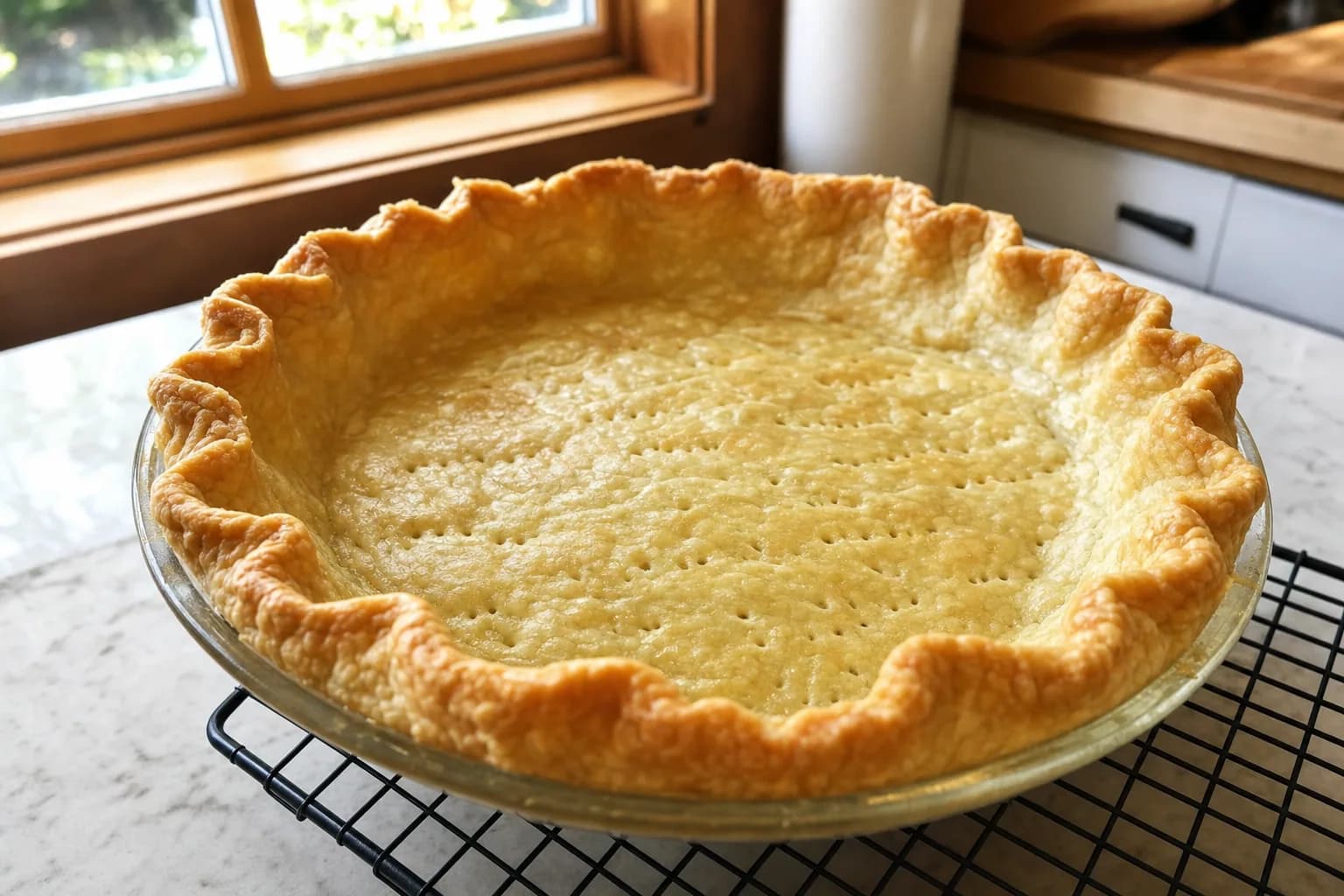
All-Butter Pie Crust
A flaky pie crust starts with cold butter, light hands, and a little patience. This simple all-butter dough works for fruit pies, cream pies, quiches, and savory hand pies.
Total
45 min
Servings
Makes 1 double crust or 2 single crusts,
Level
Medium
Pie crust can feel fussy, but the method is simple once you know what to look for. Keep the butter cold, add just enough water, and stop mixing before the dough becomes smooth.
This recipe makes enough dough for one 9-inch double-crust pie or two 9-inch single-crust pies. Use it for apple pie, pumpkin pie, chicken pot pie, quiche, or any recipe that calls for a standard pie shell.
The dough needs at least 1 hour to chill before rolling. That rest makes it easier to handle and helps the crust bake up tender instead of tough.
01What you'll need
Ingredients
6 items · Makes 1 double crust or 2 single crusts,
- 2 1/2 cups (315 g) all-purpose flour, plus more for rolling
- 1 teaspoon fine salt
- 1 teaspoon granulated sugar, optional
- 1 cup (226 g) unsalted butter, very cold, cut into 1/2-inch cubes
- 1/2 cup (120 ml) ice water, plus 1 to 2 tablespoons more if needed
- 1 teaspoon apple cider vinegar or lemon juice, optional
02How to make it
Step-by-step
1. Chill the butter and water
Cut the butter into small cubes and place it in the freezer for 10 minutes if your kitchen is warm. Fill a measuring cup with ice water. Cold butter is important because it creates steam in the oven, which helps make flaky layers.
2. Mix the dry ingredients
In a large bowl, whisk together the flour, salt, and sugar if using. Whisking spreads the salt evenly, so the crust is seasoned throughout.
3. Cut in the butter
Add the cold butter cubes to the flour. Use a pastry blender, two forks, or your fingertips to press and rub the butter into the flour until the mixture has pea-size pieces with a few larger flat bits. “Cut in” means to break the fat into the flour without melting it.
4. Add the water gradually
Stir the vinegar or lemon juice into 1/2 cup ice water, if using. Sprinkle about 6 tablespoons of the cold water over the flour mixture. Toss gently with a fork. Add more water, 1 tablespoon at a time, only until the dough holds together when squeezed. It should look shaggy, not wet.
5. Form and chill the dough
Turn the dough onto a clean surface and press it together with your hands. Divide it into 2 equal pieces. Shape each piece into a disk about 1 inch thick, wrap tightly, and chill for at least 1 hour or up to 3 days.
6. Roll the dough
Lightly flour your counter and rolling pin. Roll one disk from the center outward, turning the dough a quarter turn every few rolls to keep it round and prevent sticking. Roll to about 12 inches wide for a 9-inch pie plate.
7. Fit the crust into the pan
Gently fold the dough in half or roll it around the rolling pin, then transfer it to the pie plate. Ease it into the corners without stretching. Trim the edge to about 1 inch beyond the rim. Fold the overhang under itself and crimp with your fingers or a fork.
8. Chill before baking or filling
Chill the shaped crust for 20 to 30 minutes before filling or baking. This helps the crust hold its shape. For a double-crust pie, add the filling, top with the second rolled disk, seal the edges, and cut a few small vents in the top.
9. Blind bake if needed
For a fully baked empty shell, heat the oven to 400°F (200°C). Line the chilled crust with parchment and fill with pie weights or dried beans. Bake for 15 minutes, remove the weights and parchment, then bake 5 to 10 minutes more, until lightly golden. “Blind bake” means baking the crust before adding a filling.
03From our kitchen
Cook's tips
- Make-ahead: Wrap the dough disks tightly and refrigerate for up to 3 days. Let them sit at room temperature for 5 to 10 minutes before rolling if they feel very firm.
- Freeze it: Freeze wrapped dough disks for up to 3 months. Thaw overnight in the refrigerator before rolling.
- Storage after baking: A fully baked empty pie shell can sit at room temperature, loosely covered, for 1 day. For longer storage, wrap well and freeze for up to 1 month.
- Butter swap: You can replace up to half the butter with vegetable shortening for a slightly more tender crust that is easier to handle. Keep the shortening cold, just like the butter.
- No pastry blender: Use a fork or your fingertips. If using your hands, work quickly so the butter does not melt.
- If the dough cracks while rolling: Let it warm for a few minutes, then patch cracks by pressing the dough together. A tiny splash of water can help the patch stick.
Cook's note
For neat slices, let fruit pies cool for several hours before cutting. The crust will stay crisper, and the filling will have time to set.
04Frequently asked
Questions & answers
Why is my pie crust tough?
Tough crust usually comes from too much water or too much mixing. Add water slowly, and stop handling the dough as soon as it holds together.
Why did my crust shrink in the oven?
Shrinking often happens when the dough is stretched into the pan or not chilled before baking. Ease the dough into the pan gently, then chill the shaped crust before it goes into the oven.
Can I make pie crust without a food processor?
Yes. This recipe is written for a bowl and pastry blender, forks, or fingertips. A food processor works too, but pulse briefly so the butter stays in visible pieces.
Do I need to blind bake every pie crust?
No. Blind bake for cream pies, custard pies with short bake times, or any pie with a no-bake filling. Fruit pies and many savory pies usually bake with the filling inside.
Can I use salted butter?
Yes, but reduce the added salt to 1/2 teaspoon. Salt levels vary by brand, so unsalted butter gives you more control.
05Keep cooking
You might also like
 Desserts
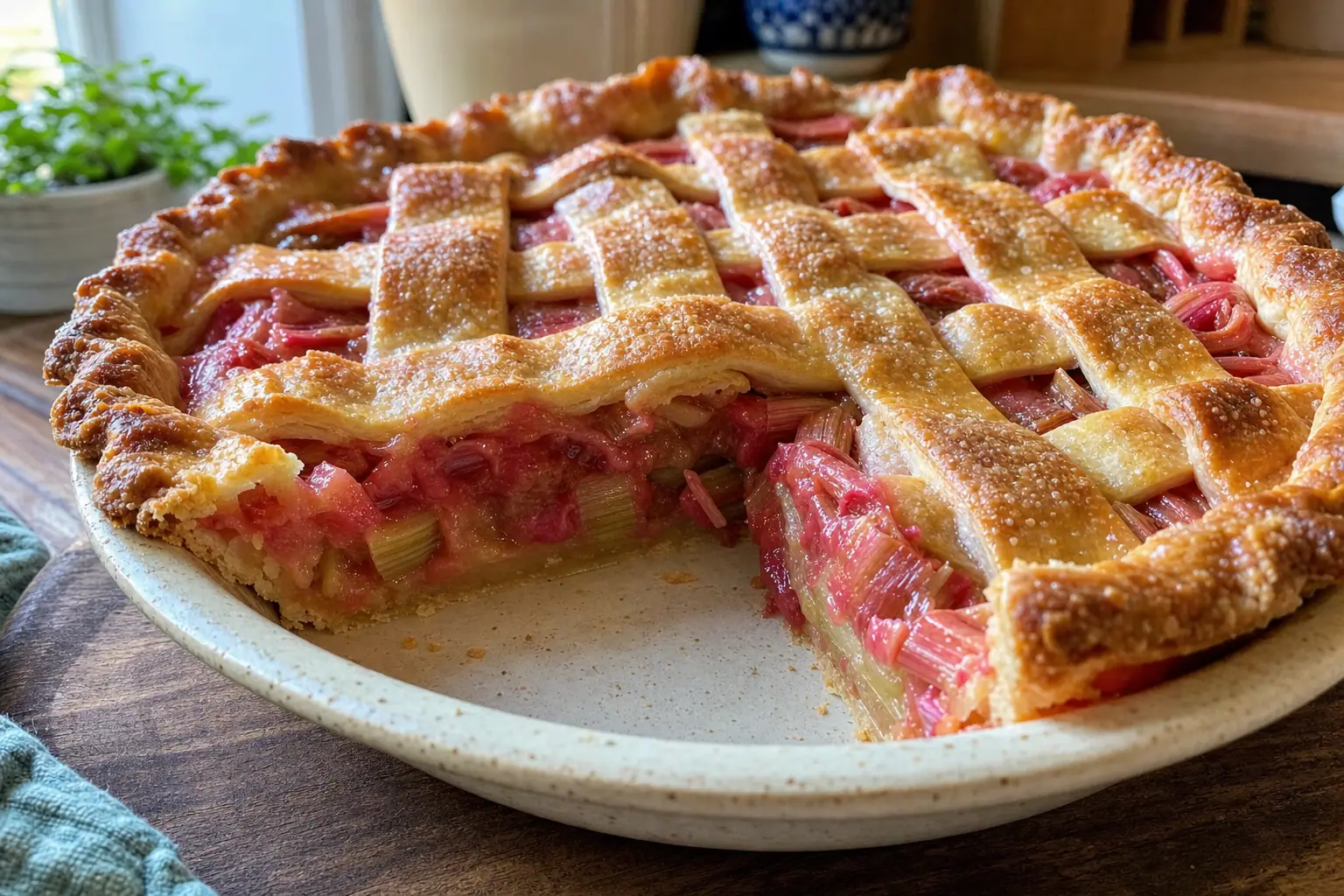
Classic Rhubarb Pie
This double-crust rhubarb pie is tart, bright, and just sweet enough. A little cornstarch helps the juicy filling set into clean slices once the pie has cooled.
 Desserts
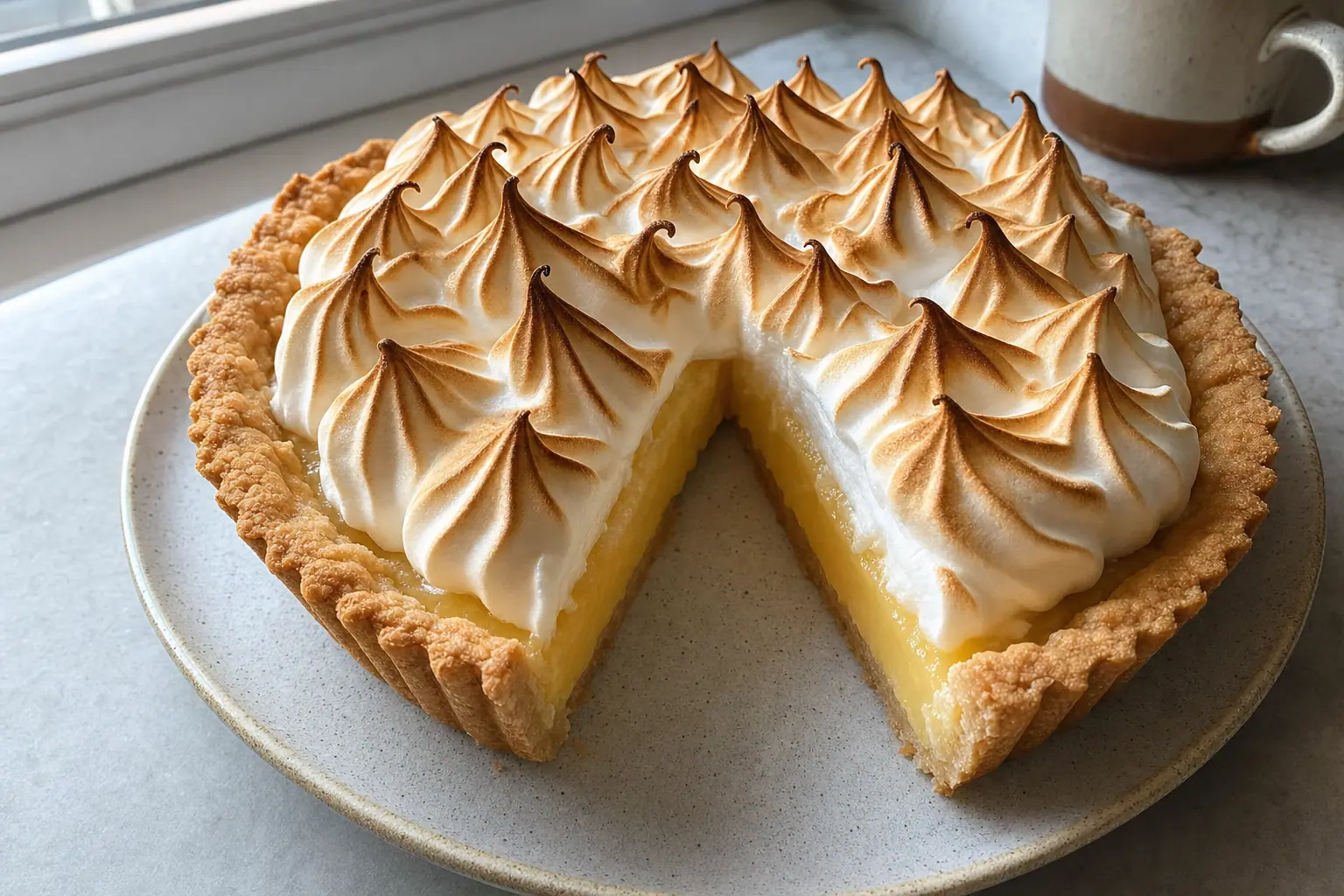
Lemon Meringue Pie
A sunny lemon pie with a crisp crust, smooth tart filling, and a tall cloud of toasted meringue. This version uses a cooked Swiss-style meringue, which is a little more stable and friendly for home kitchens.
 Desserts
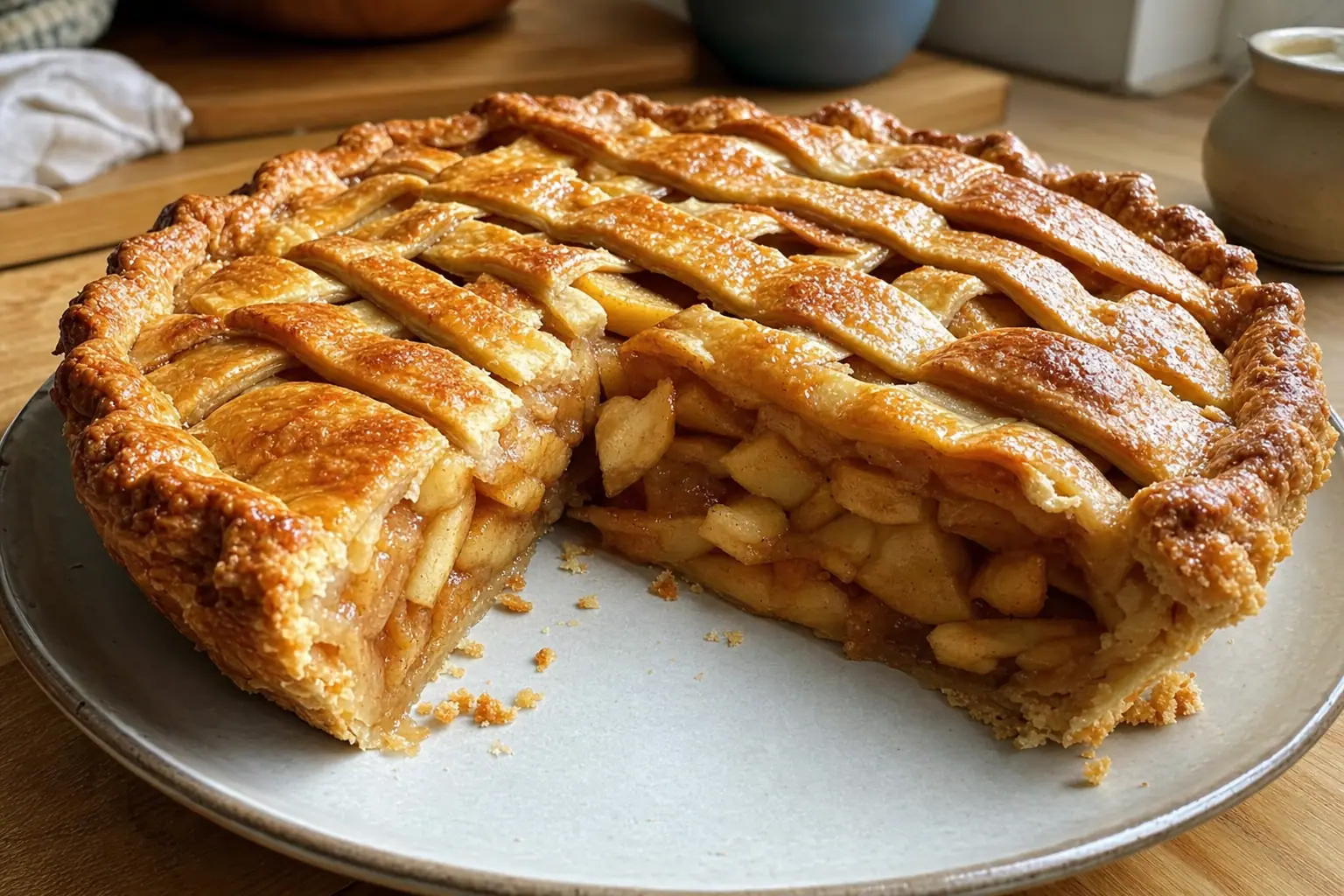
Classic Apple Pie
A cozy double-crust apple pie with tender fruit, warm cinnamon, and a flaky homemade pastry. It takes a little time, but each step is simple and doable for a weekend bake.
 Desserts
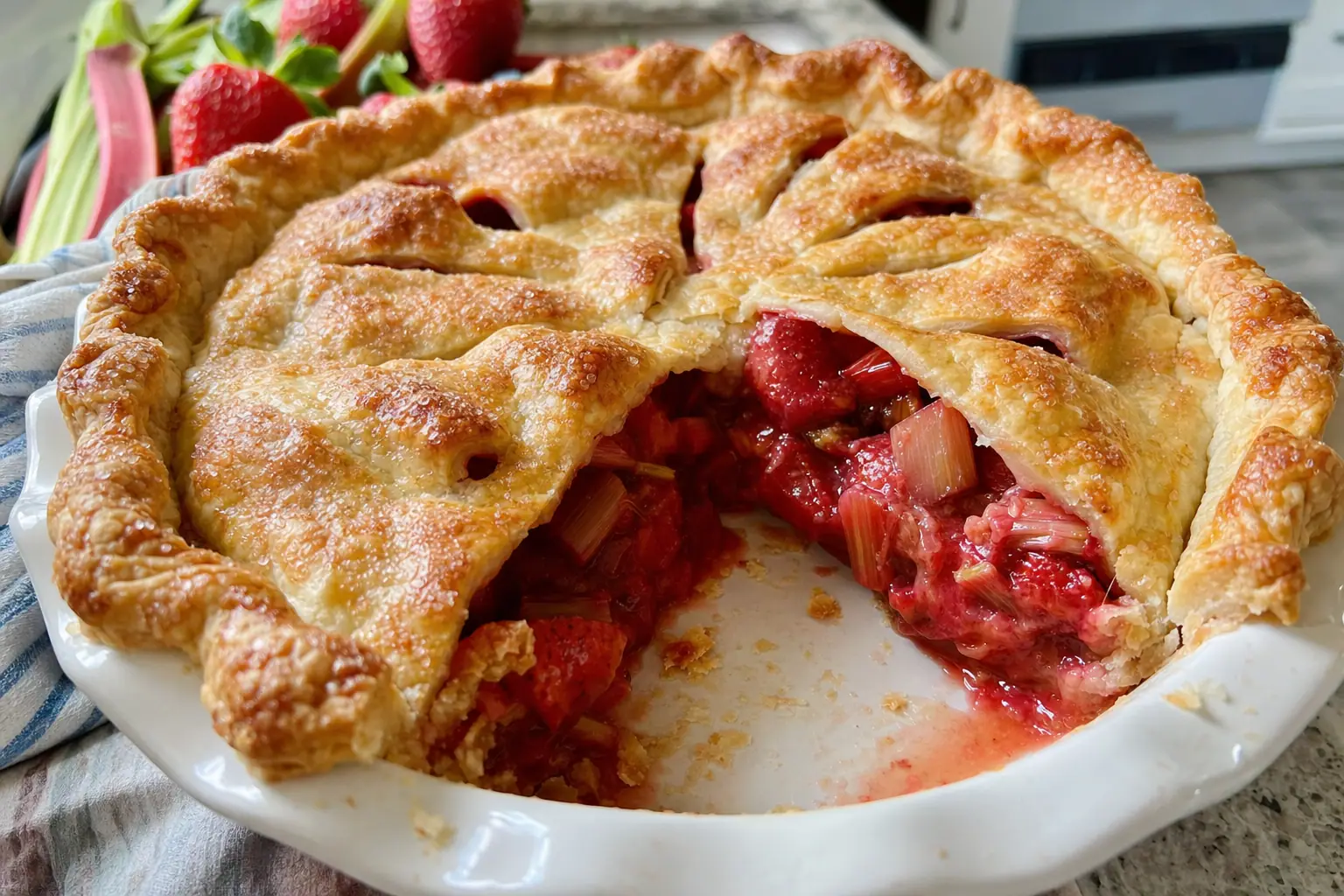
Strawberry Rhubarb Pie
This classic spring pie balances sweet strawberries with tart rhubarb in a flaky double crust. Let it cool fully before slicing so the ruby filling has time to set.