
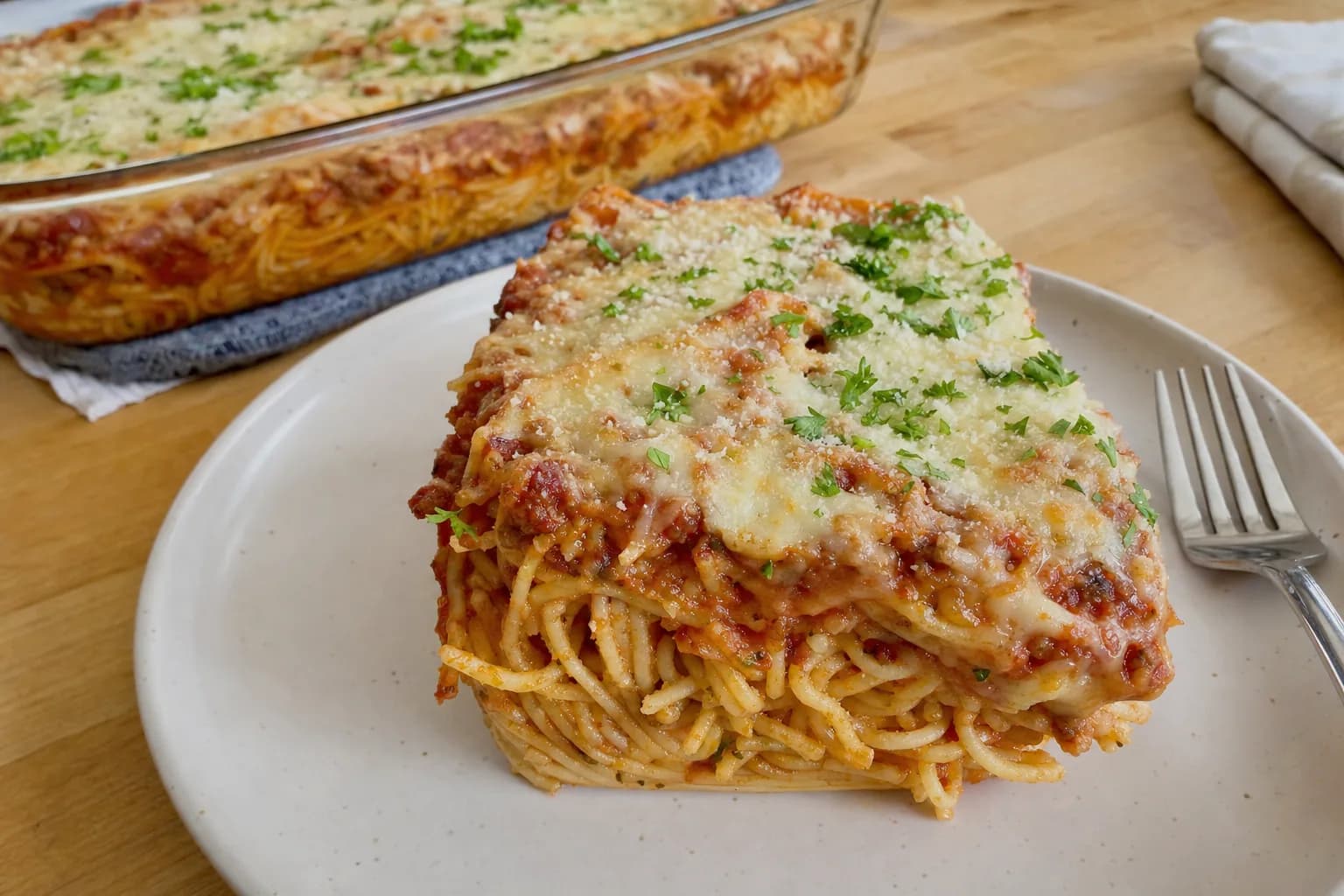
Baked Spaghetti
This cozy baked spaghetti layers tender pasta, rich meat sauce, and melty cheese into a simple casserole. It is a family-friendly dinner that reheats well and works nicely for busy weeknights or casual gatherings.
Total
65 min
Servings
6 servings
Level
Easy
Baked spaghetti is the comfort of spaghetti and meat sauce, tucked into a casserole dish and finished with a bubbly cheese topping. It is easier than lasagna but gives you that same warm, sliceable pasta-bake feeling.
The key is to cook the spaghetti just shy of tender before baking. This keeps the noodles from turning soft in the oven, where they finish cooking in the sauce.
This version uses ground beef, jarred marinara, mozzarella, and a little ricotta for creaminess. You can swap the meat, change the cheese, or add vegetables based on what you have.
01What you'll need
Ingredients
17 items · 6 servings
- 12 ounces dried spaghetti
- 1 tablespoon olive oil
- 1 pound ground beef
- 1 small yellow onion, finely chopped
- 3 cloves garlic, minced
- 1 teaspoon kosher salt, plus more for the pasta water
- 1/2 teaspoon black pepper
- 1 teaspoon dried Italian seasoning
- 1/4 teaspoon red pepper flakes, optional
- 1 jar (24 ounces) marinara sauce
- 1 can (14.5 ounces) crushed tomatoes or tomato sauce
- 1/2 cup water, used to rinse the sauce jar
- 1 cup ricotta cheese
- 1 large egg
- 1/2 cup grated Parmesan cheese, divided
- 2 cups shredded mozzarella cheese, divided
- 2 tablespoons chopped fresh parsley or basil, optional
02How to make it
Step-by-step
1. Heat the oven
Preheat the oven to 375°F. Lightly grease a 9-by-13-inch baking dish with oil or cooking spray. This helps the edges release cleanly after baking.
2. Cook the spaghetti
Bring a large pot of well-salted water to a boil. Add the spaghetti and cook it 2 minutes less than the package says for al dente. Al dente means the pasta is tender but still has a little bite. Drain the pasta and set it aside.
3. Brown the beef
Warm the olive oil in a large skillet or Dutch oven over medium-high heat. Add the ground beef and onion. Cook for 6 to 8 minutes, breaking up the meat with a spoon, until the beef is browned and the onion has softened. Spoon off extra fat if there is a lot in the pan.
4. Build the sauce
Add the garlic, salt, pepper, Italian seasoning, and red pepper flakes, if using. Cook for 30 seconds, just until fragrant. Stir in the marinara sauce, crushed tomatoes, and water. Simmer for 8 to 10 minutes so the flavors come together.
5. Mix the ricotta filling
In a medium bowl, stir together the ricotta, egg, 1/4 cup Parmesan, and 1/2 cup mozzarella. The egg helps the creamy cheese layer set gently in the oven.
6. Combine pasta and sauce
Add the drained spaghetti to the meat sauce and toss until the noodles are evenly coated. If your skillet is not large enough, mix them together in the pasta pot instead.
7. Layer the casserole
Spread half of the sauced spaghetti in the prepared baking dish. Spoon the ricotta mixture over the top in small dollops, then gently spread it out. Add the remaining spaghetti. Sprinkle with the remaining 1 1/2 cups mozzarella and remaining 1/4 cup Parmesan.
8. Bake until bubbly
Cover the dish with foil and bake for 20 minutes. Remove the foil and bake for 10 to 15 minutes more, until the cheese is melted and the edges are bubbling. For a deeper golden top, broil for 1 to 2 minutes, watching closely.
9. Rest and serve
Let the baked spaghetti rest for 10 minutes before slicing or scooping. This short rest helps the layers settle. Sprinkle with parsley or basil, if using, and serve warm.
03From our kitchen
Cook's tips
- Make-ahead: Assemble the casserole up to 24 hours ahead, cover, and refrigerate. Bake it covered for 30 minutes, then uncover and bake 10 to 15 minutes more, or until hot in the center.
- Storage: Refrigerate leftovers in an airtight container for up to 4 days. Reheat covered in a 350°F oven, or warm individual portions in the microwave.
- Freezing: Baked spaghetti freezes well. Wrap the unbaked or baked casserole tightly and freeze for up to 2 months. Thaw overnight in the refrigerator before baking or reheating.
- Meat swaps: Use ground turkey, ground chicken, or Italian sausage instead of beef. If using sausage, taste the sauce before adding all the salt because sausage can be salty.
- Vegetable add-ins: Stir in sautéed mushrooms, bell peppers, zucchini, spinach, or chopped kale. Cook watery vegetables first so the casserole does not turn soupy.
- Cheese swaps: Cottage cheese can replace ricotta. For the smoothest texture, blend it briefly or mash it with a fork before mixing with the egg and cheese.
Cook's note
If your sauce tastes sharp or too acidic, simmer it a few extra minutes and add a small pinch of sugar. If it tastes flat, add a little more salt or Parmesan. Small adjustments make a big difference in a simple pasta bake.
04Frequently asked
Questions & answers
Can I make baked spaghetti without meat?
Yes. Skip the beef and add 2 to 3 cups of cooked vegetables, such as mushrooms, spinach, bell peppers, or zucchini. You can also use a plant-based ground meat substitute. Keep the sauce thick so the casserole holds together.
Do I have to use ricotta cheese?
No. Ricotta adds a creamy layer, but you can leave it out for a simpler baked spaghetti. You can also use cottage cheese, mascarpone, or a few spoonfuls of cream cheese mixed into the sauce.
Why is my baked spaghetti watery?
It is usually from overcooked pasta, watery sauce, or vegetables that were not cooked first. Cook the pasta slightly underdone, use a thick sauce, and sauté vegetables before adding them.
Can I use a different pasta shape?
Yes. Spaghetti is classic, but penne, rigatoni, ziti, or rotini all work well. Short pasta is often easier to scoop and serve. Cook it 1 to 2 minutes less than the package directions before baking.
How do I know when the casserole is done?
The edges should be bubbling, the cheese should be melted, and the center should be hot. If you use a food thermometer, the middle should reach 165°F, especially if the casserole was made ahead and chilled.
05Keep cooking
You might also like
 Dinner
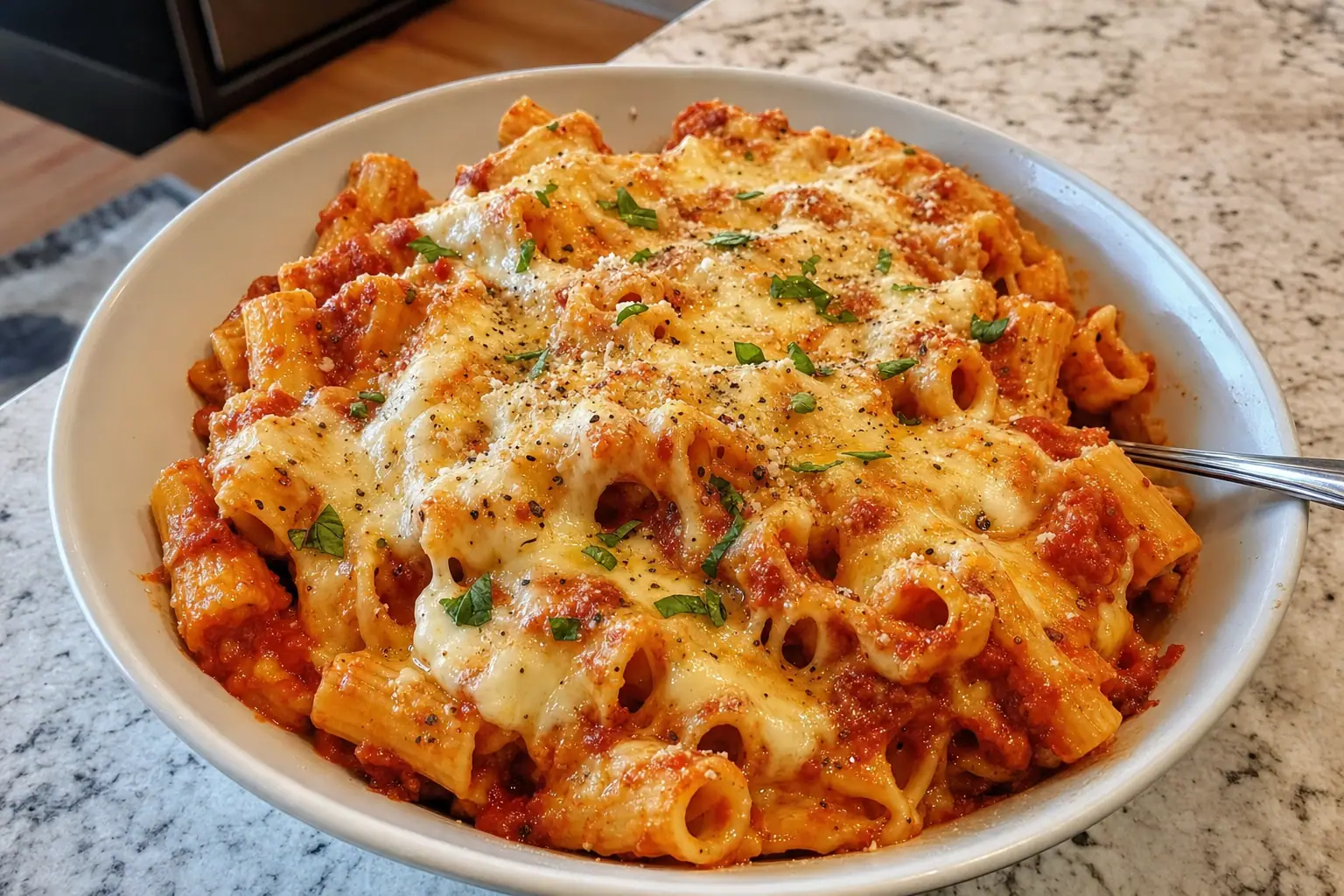
Baked Ziti Pasta with Marinara and Three Cheeses
This cozy ziti pasta is saucy, cheesy, and simple enough for a weeknight. It has all the comfort of lasagna, with less layering and less fuss.
 Dinner
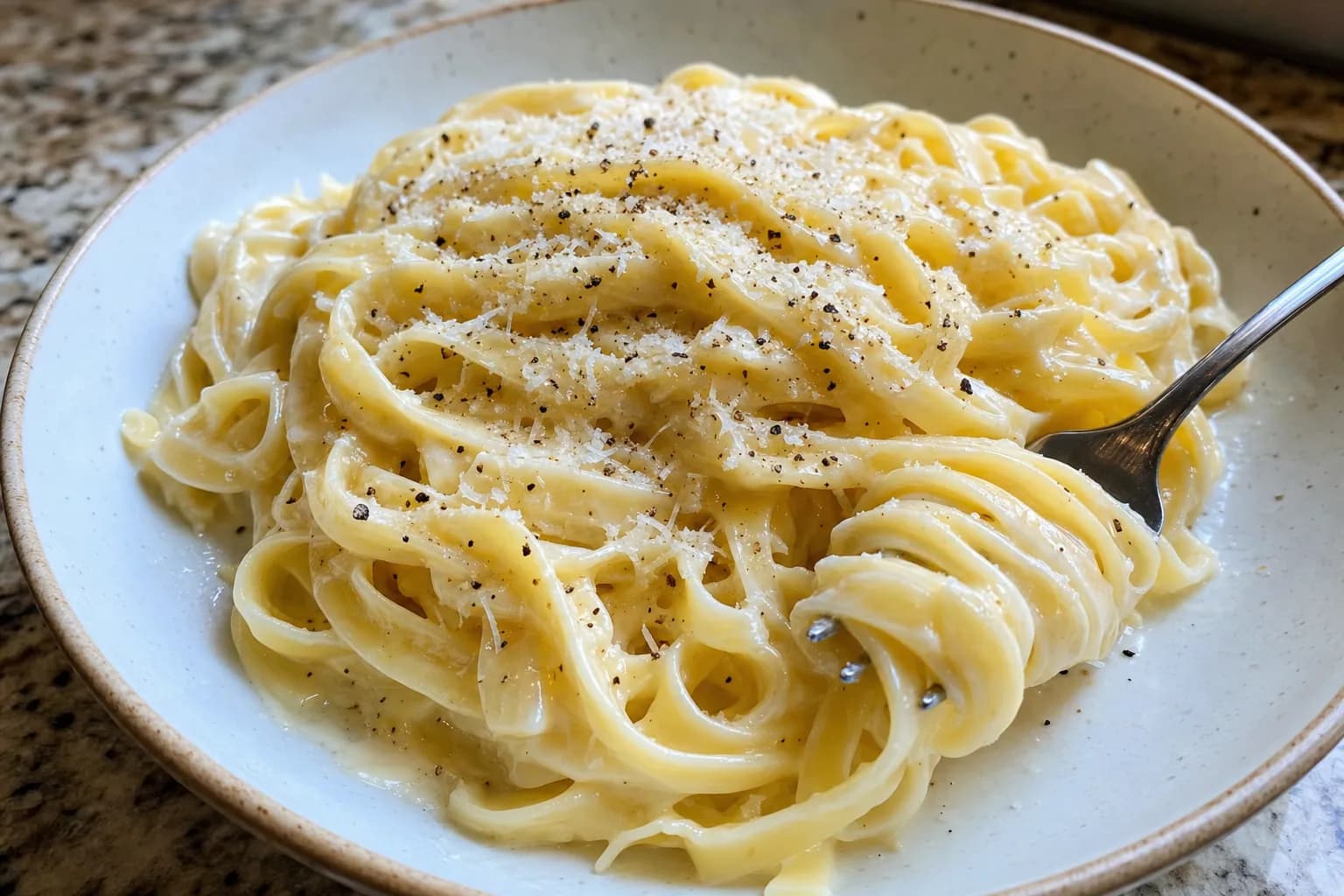
Fettuccine Alfredo
Silky, buttery fettuccine Alfredo is a simple pasta dinner built from a few good ingredients. This version uses butter, Parmesan, and a splash of cream for a smooth sauce that is friendly for home kitchens.
 Dinner
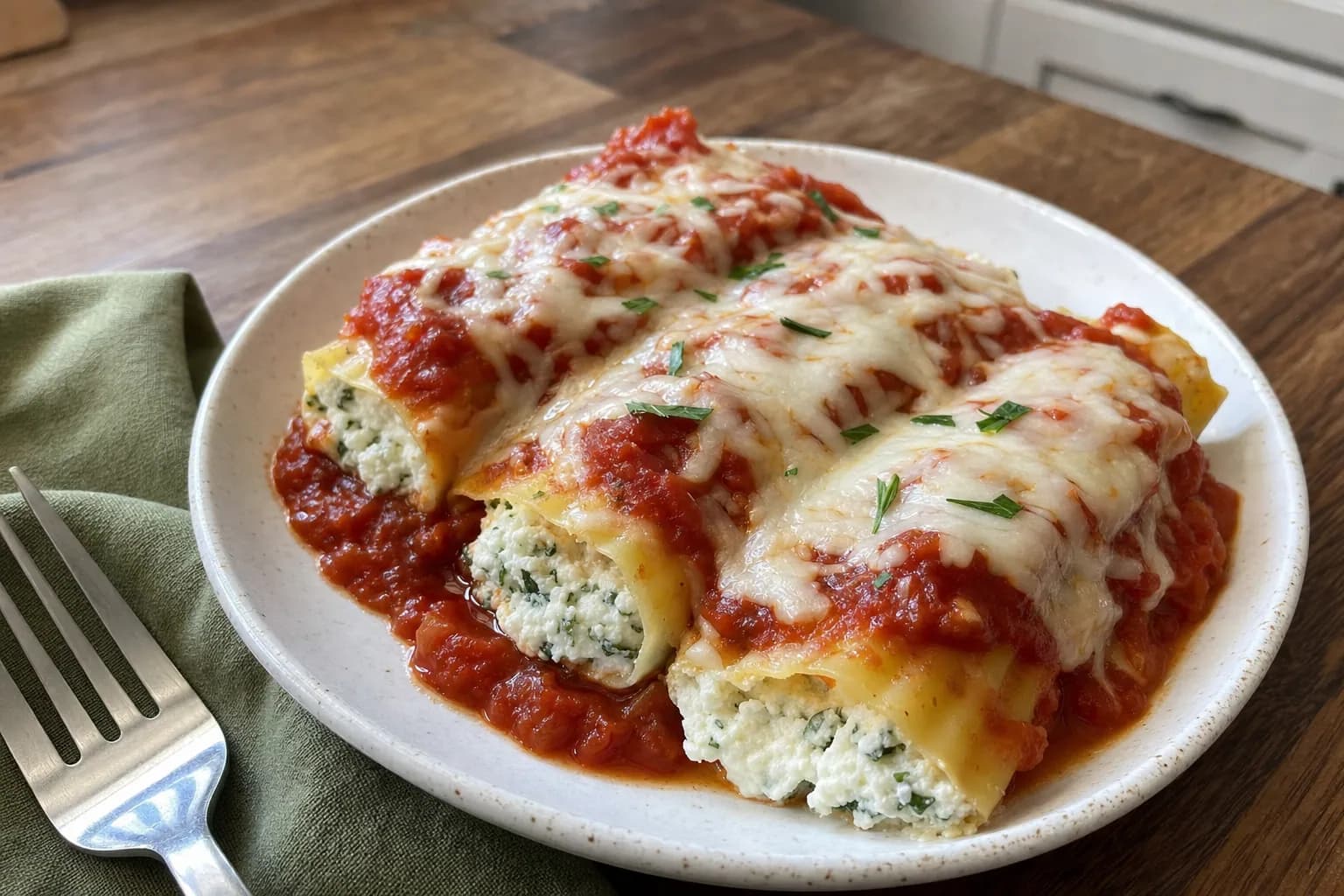
Classic Baked Manicotti
Tender pasta tubes are filled with creamy ricotta, mozzarella, and Parmesan, then baked in a simple tomato sauce until bubbling. It is a cozy Italian-American dinner that feels special but uses everyday ingredients.
 Dinner
Simple Tomato Garlic Pasta
This easy weeknight pasta uses pantry ingredients, a quick tomato sauce, and one simple trick: finish the pasta in the sauce so every strand tastes seasoned. It is cozy, flexible, and ready in about 30 minutes.