
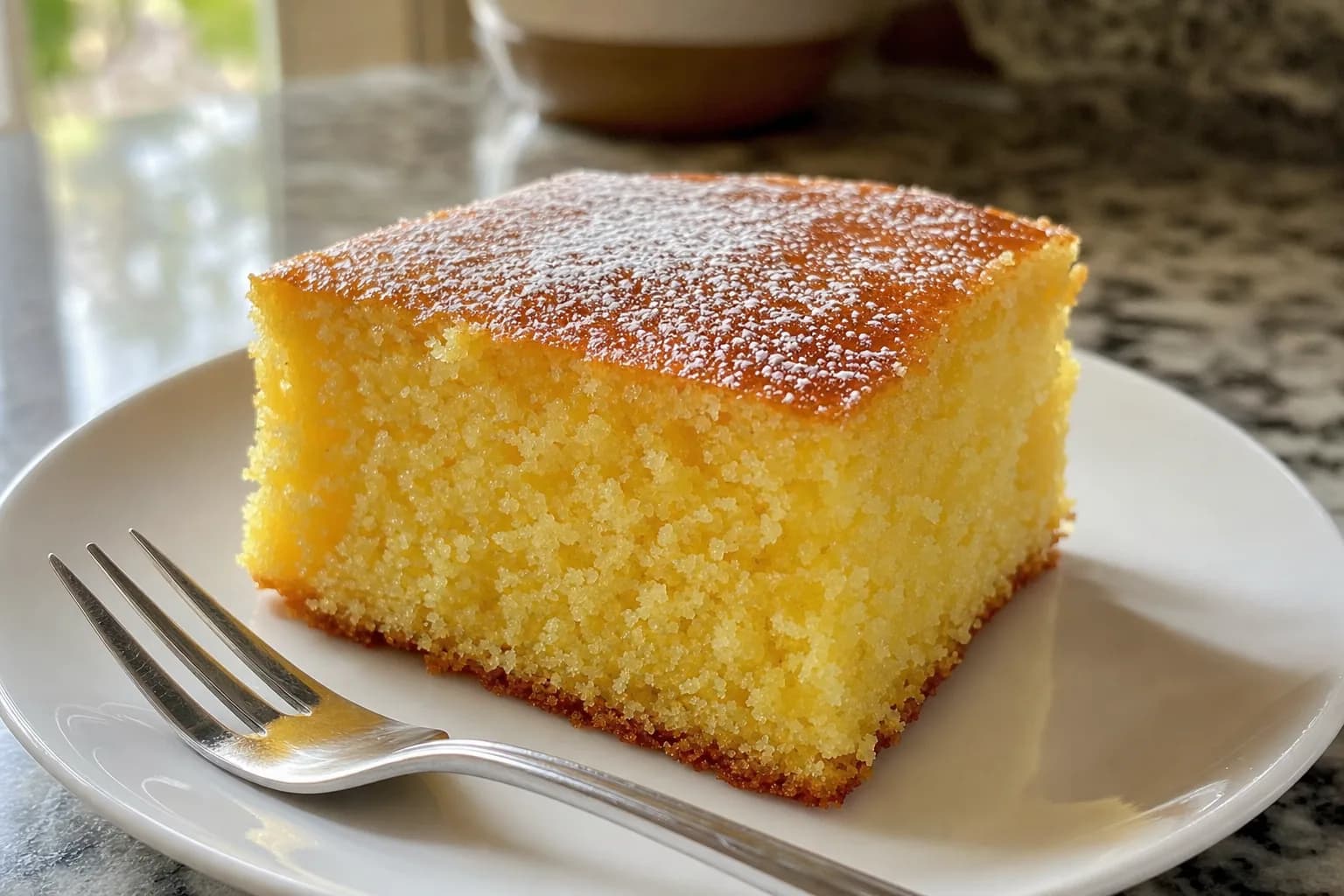
Butter Cake
This classic butter cake is soft, golden, and simple enough for a weeknight bake. Serve it plain with tea, dust it with sugar, or dress it up with berries and whipped cream.
Total
55 min
Servings
One 9-inch round cake, 8 to 10 slices
Level
Easy
Butter cake is one of those dependable recipes every home baker should have. It uses basic pantry ingredients, but the result feels special: a tender crumb, rich butter flavor, and a lightly crisp golden edge.
The key is creaming the butter and sugar well. “Creaming” means beating them together until pale and fluffy, which helps the cake rise and gives it a soft texture.
This cake is lovely on its own, but it also welcomes simple toppings. Try fresh strawberries, a spoonful of jam, lemon curd, or a small scoop of vanilla ice cream.
01What you'll need
Ingredients
9 items · One 9-inch round cake, 8 to 10 slices
- 1 1/2 cups all-purpose flour, spooned and leveled
- 1 1/2 teaspoons baking powder
- 1/4 teaspoon fine salt
- 1/2 cup unsalted butter, softened to room temperature
- 1 cup granulated sugar
- 2 large eggs, at room temperature
- 2 teaspoons vanilla extract
- 1/2 cup whole milk, at room temperature
- 1 tablespoon powdered sugar, for serving, optional
02How to make it
Step-by-step
1. Heat the oven
Heat the oven to 350°F. Grease a 9-inch round cake pan with butter or baking spray. Line the bottom with a round of parchment paper if you have it, then grease the parchment too. This helps the cake release cleanly.
2. Mix the dry ingredients
In a medium bowl, whisk together the flour, baking powder, and salt. Whisking spreads the baking powder evenly, so the cake rises in a steady way.
3. Cream the butter and sugar
In a large bowl, beat the softened butter and sugar with an electric mixer on medium speed for 3 to 4 minutes, until pale and fluffy. Scrape down the sides of the bowl once or twice. This step adds air to the batter, which makes the cake lighter.
4. Add the eggs and vanilla
Beat in the eggs one at a time, mixing well after each one. Add the vanilla and beat until combined. If the mixture looks a little curdled, do not worry. It will smooth out when the flour goes in.
5. Alternate flour and milk
Add one third of the flour mixture and mix on low speed just until blended. Add half the milk and mix again. Repeat with another third of the flour, the rest of the milk, and the final third of the flour. Stop mixing as soon as the batter looks smooth.
6. Fill the pan
Scrape the batter into the prepared pan. Smooth the top with a spatula and tap the pan gently on the counter once or twice to remove large air pockets.
7. Bake the cake
Bake for 32 to 38 minutes, until the top is golden and a toothpick inserted in the center comes out clean or with a few moist crumbs. If you see wet batter on the toothpick, bake for 3 to 5 minutes more and check again.
8. Cool and serve
Let the cake cool in the pan for 10 minutes. Run a thin knife around the edge, then turn the cake out onto a rack. Remove the parchment and let it cool fully, or serve slightly warm. Dust with powdered sugar if you like.
03From our kitchen
Cook's tips
- Make-ahead: Bake the cake up to 1 day ahead. Let it cool completely, then wrap it tightly and keep it at room temperature.
- Storage: Store covered at room temperature for 2 days, or refrigerate for up to 5 days. Refrigeration can make butter cakes feel firm, so let slices sit at room temperature for 20 minutes before serving.
- Freezing: Wrap the cooled cake, whole or sliced, in plastic wrap and then foil. Freeze for up to 2 months. Thaw at room temperature before serving.
- Butter swap: Salted butter works if that is what you have. Reduce the added salt to a small pinch.
- Milk swap: Whole milk gives the richest texture, but 2% milk also works. Avoid fat-free milk if possible; the cake may be a little less tender.
- Flavor ideas: Add 1 teaspoon finely grated lemon zest or orange zest with the sugar for a citrus note. You can also replace 1 teaspoon of vanilla with almond extract for a stronger bakery-style flavor.
Cook's note
For the most even texture, use room-temperature butter, eggs, and milk. If the butter is too cold, it will not cream well. If it is melted or greasy, the cake may turn out dense. Softened butter should hold its shape but dent easily when pressed.
04Frequently asked
Questions & answers
Why is my butter cake dense?
The most common reasons are under-creaming the butter and sugar, using cold ingredients, or overmixing after the flour is added. Beat the butter and sugar until fluffy, use room-temperature eggs and milk, and mix the flour in gently.
Can I bake this in a square pan?
Yes. Use an 8-inch square pan and start checking for doneness around 30 minutes. A 9-inch square pan will make a thinner cake and may bake a few minutes faster.
Can I turn this into cupcakes?
Yes. Line a muffin pan with paper liners and fill each about two-thirds full. Bake at 350°F for 16 to 20 minutes, or until a toothpick comes out clean. This recipe makes about 12 cupcakes.
Do I need a stand mixer?
No. A hand mixer works well. You can also mix by hand with a sturdy wooden spoon, but the creaming step will take longer and the cake may be slightly less fluffy.
What should I serve with butter cake?
It is good plain, but fresh berries, whipped cream, jam, lemon curd, caramel sauce, or a light dusting of powdered sugar all work well.
05Keep cooking
You might also like
 Desserts
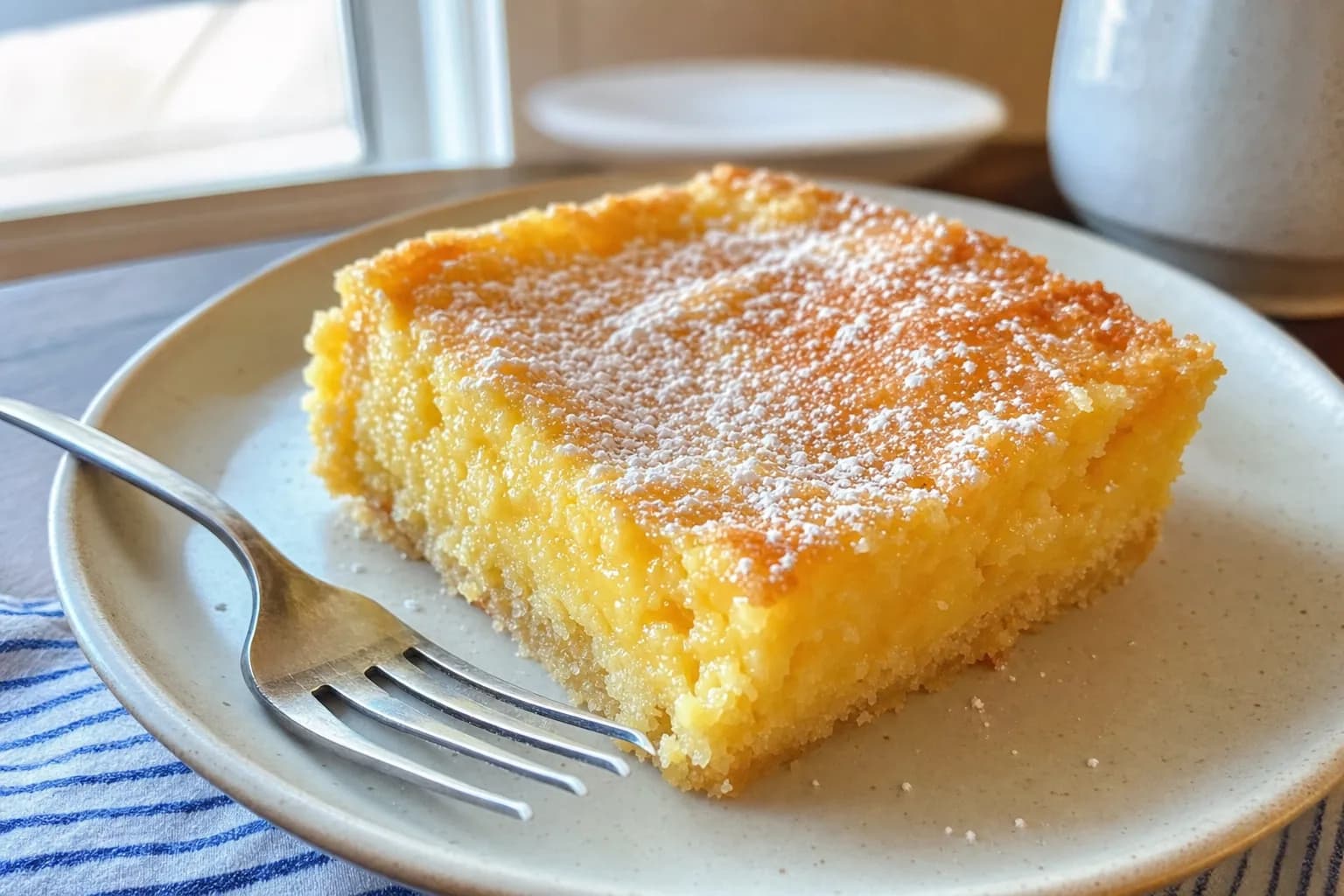
Gooey Butter Cake
This St. Louis-style gooey butter cake has a soft cake-mix crust and a rich cream cheese filling that stays pleasantly fudgy in the center. It is simple, sweet, and made for small squares with coffee or milk.
 Desserts
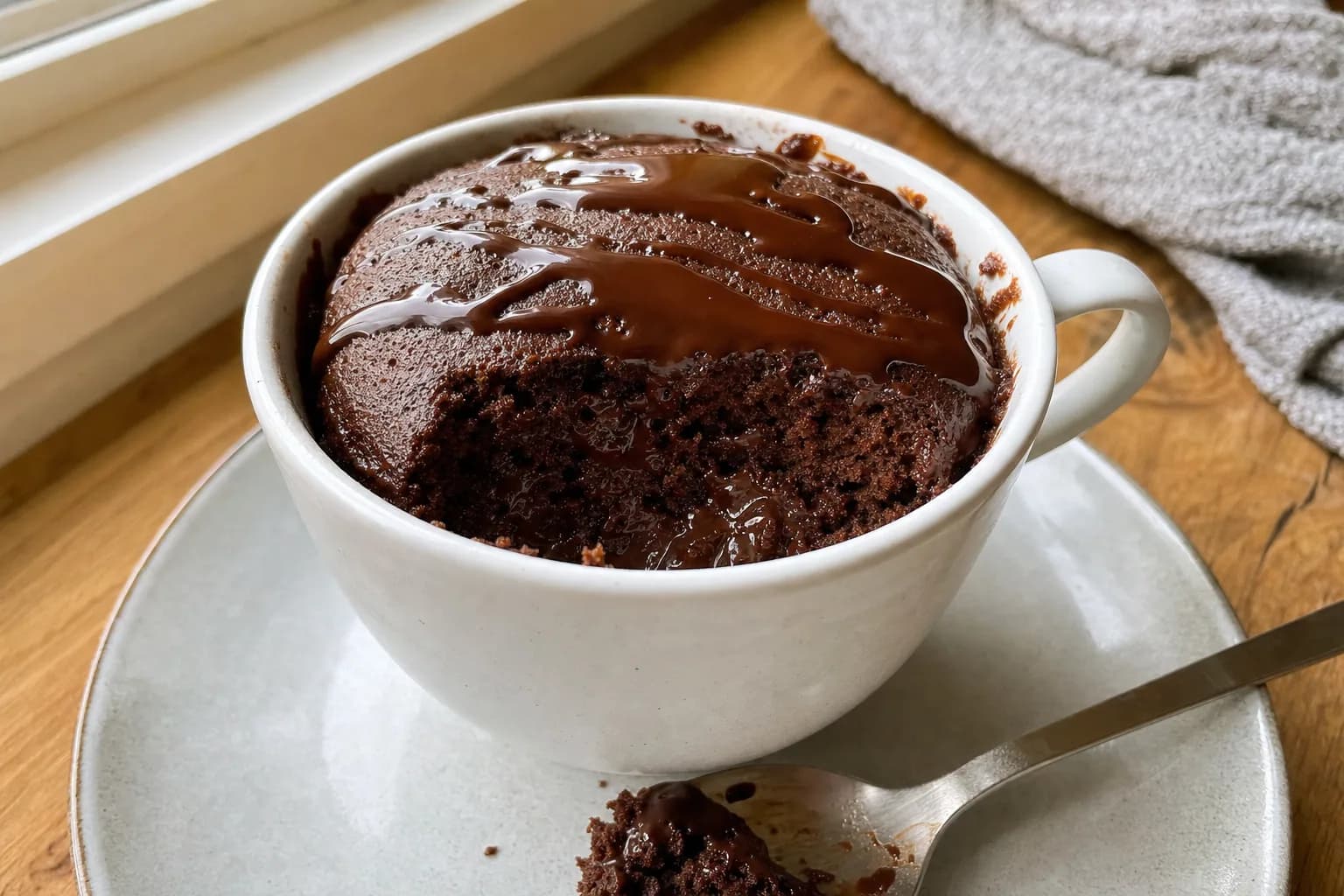
Chocolate Mug Cake
This single-serve chocolate mug cake is soft, warm, and ready in minutes. It is made with pantry staples and cooks right in the microwave.
 Desserts
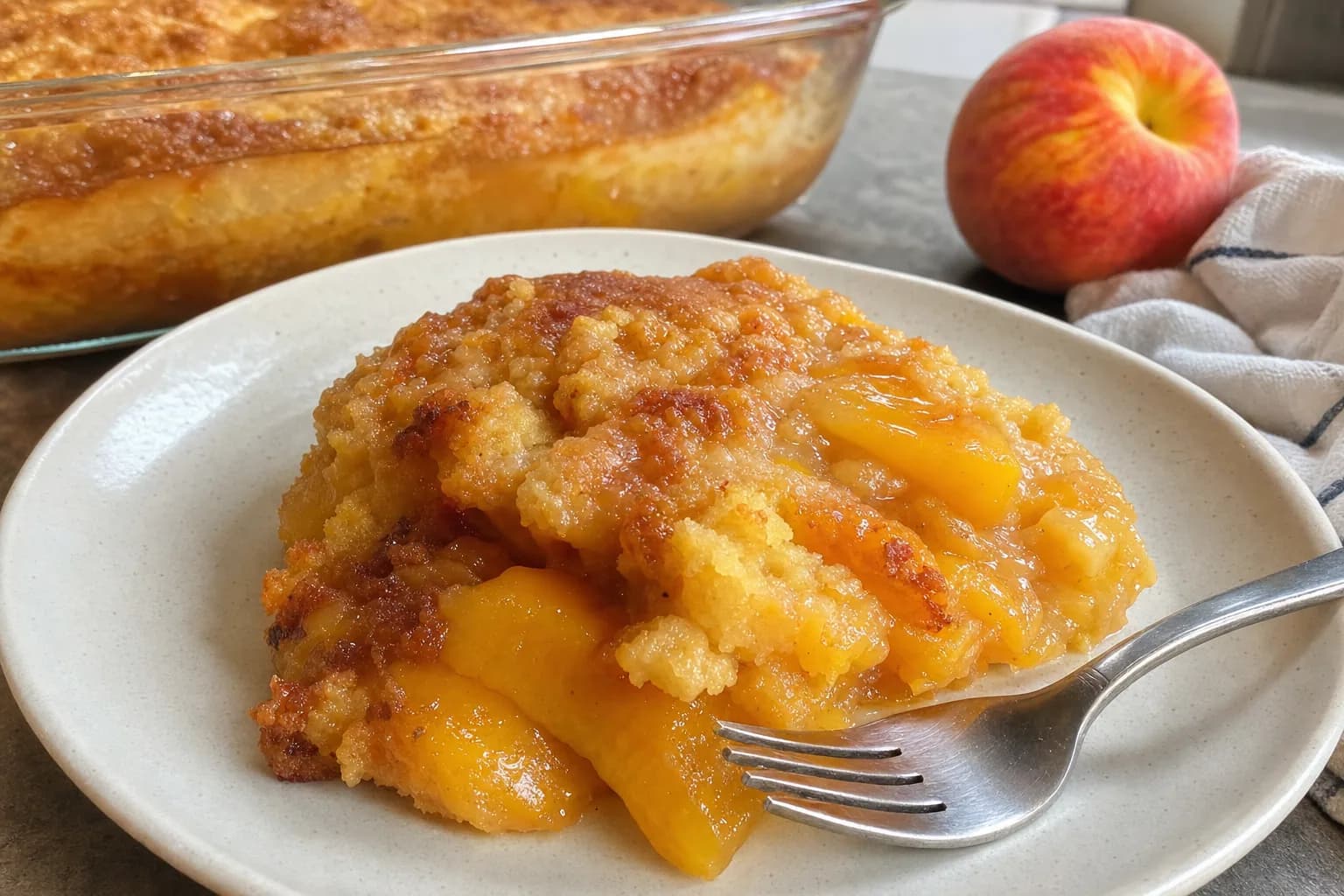
Peach Dump Cake
This easy peach dump cake turns canned peaches, boxed cake mix, and butter into a warm, spoonable dessert with very little prep. It is sweet, cozy, and just right with a scoop of vanilla ice cream.
 Desserts
Peanut Butter Bars
These no-bake peanut butter bars are rich, chewy, and topped with a smooth layer of chocolate. They taste like a homemade peanut butter cup, but slice neatly for lunchboxes, bake sales, and easy desserts.