
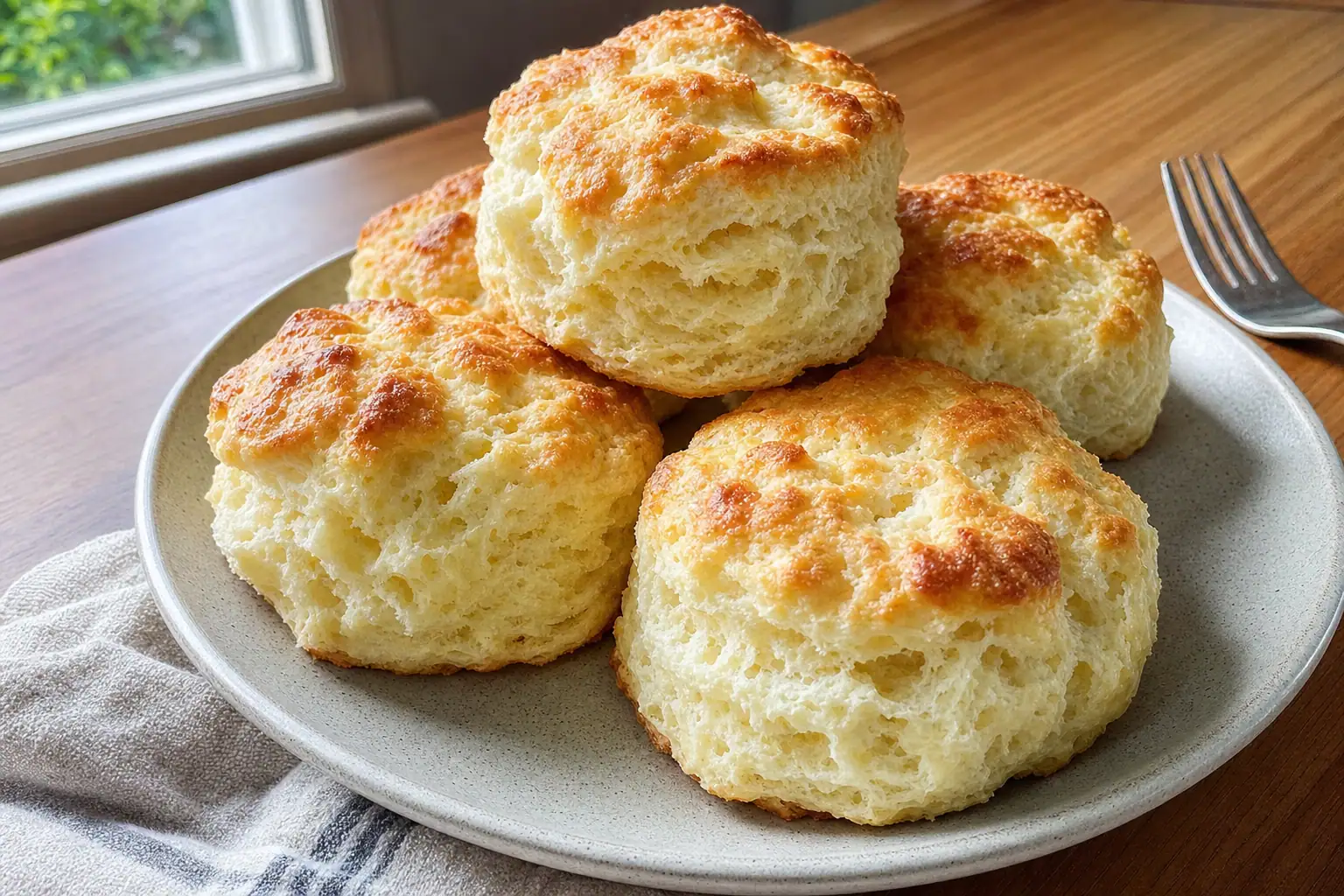
Buttermilk Biscuits
Tender, flaky buttermilk biscuits made with cold butter and a simple folding method. They are ready in about 30 minutes and welcome at breakfast, brunch, or dinner.
Total
30 min
Servings
Makes 8 biscuits
Level
Easy
A warm buttermilk biscuit is one of those small kitchen projects that pays off fast. You need a bowl, a cutter or glass, and a light touch with the dough.
The key is keeping the butter cold and not overworking the mixture. Folding the dough a few times creates layers, so the biscuits rise tall and pull apart easily.
Serve them with butter and jam, split them for breakfast sandwiches, or pass them with soup, eggs, or roast chicken.
01What you'll need
Ingredients
8 items · Makes 8 biscuits
- 2 cups all-purpose flour, plus more for dusting
- 1 tablespoon baking powder
- 1 teaspoon granulated sugar
- 3/4 teaspoon fine salt
- 1/2 teaspoon baking soda
- 1/2 cup cold unsalted butter, cut into small cubes
- 3/4 cup cold buttermilk, plus 1 to 2 tablespoons more if needed
- 1 tablespoon melted butter, for brushing the tops, optional
02How to make it
Step-by-step
1. Heat the oven
Heat the oven to 425°F. Line a baking sheet with parchment paper. If you do not have parchment, use an ungreased baking sheet.
2. Mix the dry ingredients
In a large bowl, whisk together the flour, baking powder, sugar, salt, and baking soda. Whisking spreads the leaveners evenly, which helps the biscuits rise well.
3. Cut in the butter
Add the cold butter cubes. Use your fingertips, a pastry cutter, or two forks to press the butter into the flour until the mixture looks crumbly with some pea-size bits of butter left. These butter pieces make steam in the oven and help create flaky layers.
4. Add the buttermilk
Pour in 3/4 cup cold buttermilk. Stir gently with a fork until a shaggy dough forms. Shaggy means rough and uneven, not smooth. If there are lots of dry crumbs at the bottom of the bowl, add 1 tablespoon more buttermilk at a time.
5. Fold the dough
Turn the dough onto a lightly floured counter. Pat it into a rough rectangle about 1 inch thick. Fold it in half, then pat it down again. Repeat this folding 3 more times. Use just enough flour to stop sticking.
6. Cut the biscuits
Pat the dough to about 3/4 inch thick. Cut out biscuits with a 2 1/2-inch round cutter or the rim of a glass. Press straight down without twisting, because twisting can seal the edges and limit the rise. Gather scraps gently and cut more biscuits.
7. Bake until golden
Place the biscuits on the prepared baking sheet. For softer sides, let them touch. For crisper sides, space them about 1 inch apart. Bake for 13 to 16 minutes, until risen and lightly golden on top.
8. Brush and serve
Brush the hot biscuits with melted butter, if using. Let them cool for 5 minutes, then serve warm.
03From our kitchen
Cook's tips
- Make-ahead dough: Cut the biscuits, place them on a baking sheet, and freeze until firm. Transfer to a freezer bag and freeze for up to 2 months. Bake from frozen at 425°F, adding 3 to 5 minutes to the bake time.
- Storage: Biscuits are at their best the day they are baked. Store leftovers in an airtight container at room temperature for up to 2 days, or freeze for up to 2 months.
- Reheating: Warm room-temperature biscuits in a 300°F oven for 6 to 8 minutes. Reheat frozen baked biscuits at 325°F for 12 to 15 minutes.
- Buttermilk swap: If you do not have buttermilk, stir 2 teaspoons lemon juice or white vinegar into 3/4 cup milk. Let it stand for 5 minutes before using. The flavor will be a little milder, but it works.
- Butter swap: Salted butter is fine. Reduce the salt in the recipe to 1/2 teaspoon.
- Do not overmix: Stop stirring once the dough comes together. Too much mixing can make biscuits tough instead of tender.
Cook's note
For the tallest biscuits, chill the cut biscuits on the baking sheet for 10 minutes before baking, especially if your kitchen is warm. Cold dough helps the butter stay solid until it reaches the hot oven.
04Frequently asked
Questions & answers
Why did my biscuits turn out flat?
The butter may have been too warm, the baking powder may be old, or the cutter may have been twisted while cutting. Use cold butter, fresh baking powder, and press the cutter straight down.
Can I make these without a biscuit cutter?
Yes. Pat the dough into a rectangle and cut it into squares with a sharp knife. This also reduces scraps, so the biscuits stay tender.
Can I use self-rising flour?
You can, with changes. Use 2 cups self-rising flour and skip the baking powder, baking soda, and salt. Keep the butter and buttermilk the same.
Should biscuits touch while baking?
It depends on what you like. Biscuits that touch rise a bit higher and have soft sides. Biscuits spaced apart have more browned, crisp edges.
Can I add cheese or herbs?
Yes. Stir in up to 3/4 cup shredded cheddar, 1 tablespoon chopped chives, or 1 teaspoon dried herbs with the dry ingredients before adding the buttermilk.
05Keep cooking
You might also like
 Breakfast
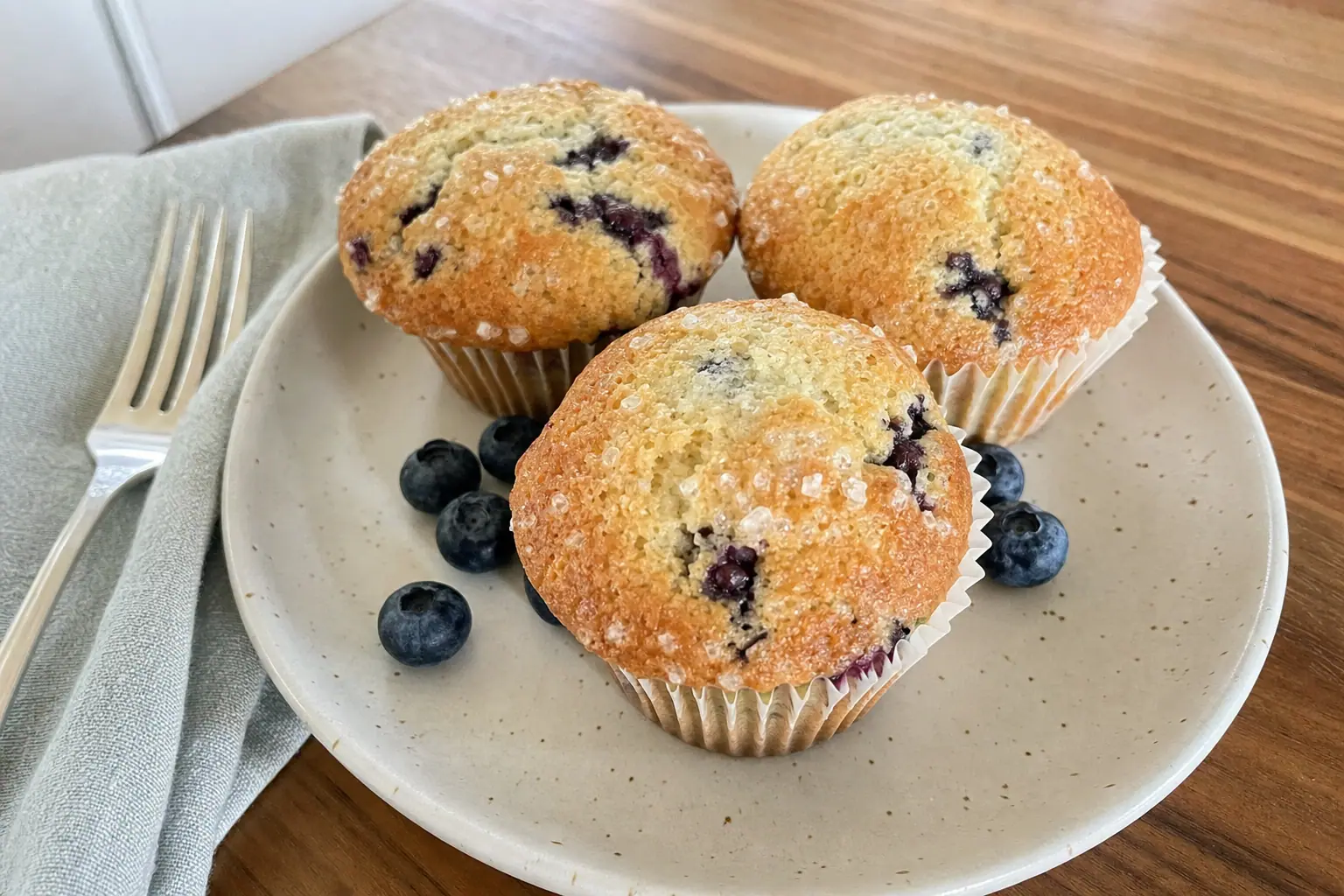
Simple Muffins
These tender, plain muffins are easy to mix by hand and ready in about 30 minutes. Keep them classic with vanilla, or fold in berries, chocolate chips, or chopped nuts.
 Breakfast
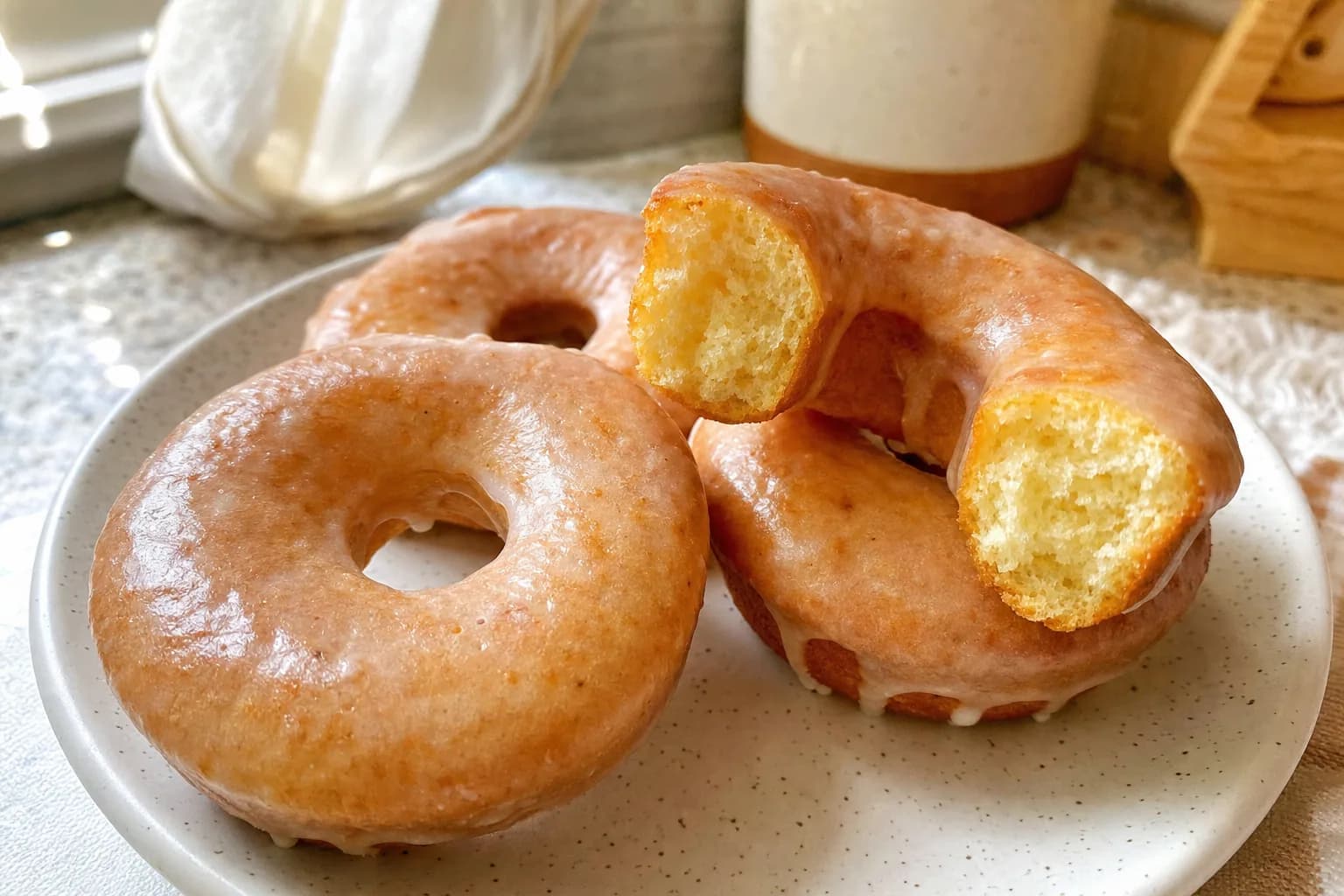
Baked Donut Recipe
These soft baked donuts are made in a donut pan, so there is no frying oil to manage. A quick vanilla glaze gives them the classic donut-shop finish at home.
 Breakfast
Dutch Baby Pancake
This puffed oven pancake is crisp at the edges, tender in the middle, and made from a simple blender batter. Serve it hot with lemon, powdered sugar, berries, or maple syrup for an easy breakfast that feels special.
 Breakfast
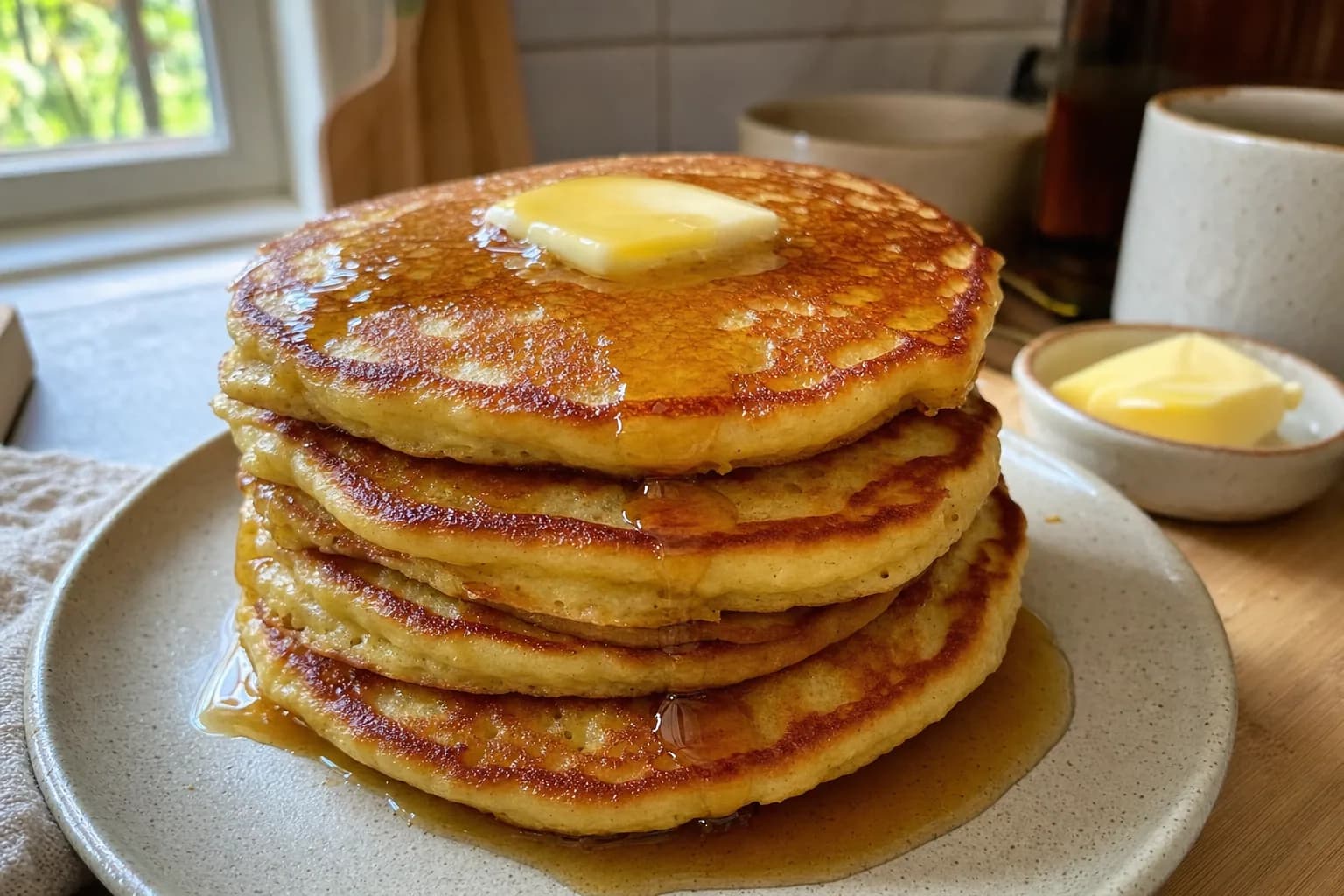
Sourdough Pancakes
These soft, lightly tangy sourdough pancakes are a smart way to use sourdough discard. The batter comes together in one bowl and cooks into fluffy, golden pancakes with crisp edges.