
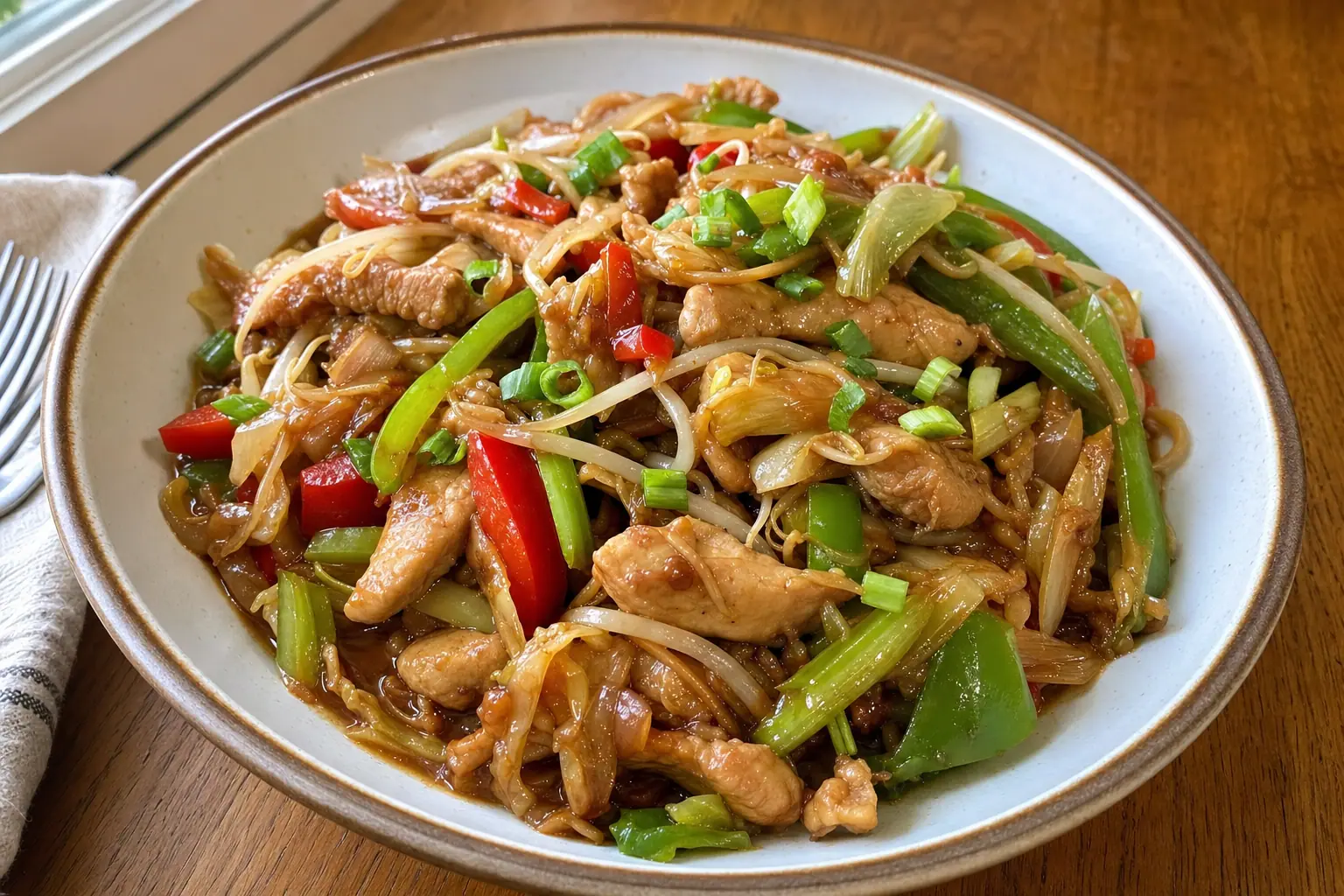
Chicken Chop Suey
This Chinese American classic is a quick stir-fry of tender chicken, crisp vegetables, and a glossy savory sauce. Serve it over steamed rice for a weeknight dinner that feels fresh and flexible.
Total
35 min
Servings
4 servings
Level
Easy
Chop suey is a Chinese American stir-fry built around bite-size pieces of meat and a generous mix of vegetables. The name has become shorthand for a saucy, satisfying dish that makes good use of what you have in the fridge.
This version uses chicken, celery, onion, mushrooms, cabbage, and bean sprouts. The sauce is simple: chicken broth, soy sauce, oyster sauce, and a little cornstarch to make it glossy.
The key is to have everything sliced and ready before the pan gets hot. Stir-frying moves fast, and a little prep makes the cooking feel calm.
01What you'll need
Ingredients
20 items · 4 servings
- 1 pound boneless, skinless chicken breast or thighs, thinly sliced
- 1 tablespoon soy sauce, for the chicken
- 1 teaspoon cornstarch, for the chicken
- 1/4 teaspoon ground white pepper or black pepper
- 1/2 cup low-sodium chicken broth
- 2 tablespoons oyster sauce
- 1 tablespoon soy sauce, for the sauce
- 1 teaspoon toasted sesame oil
- 1 teaspoon sugar
- 2 teaspoons cornstarch, for the sauce
- 2 tablespoons neutral oil, such as canola, vegetable, or avocado oil, divided
- 1 small yellow onion, thinly sliced
- 2 celery stalks, sliced on the diagonal
- 1 cup sliced mushrooms
- 2 cups thinly sliced green cabbage or napa cabbage
- 1 cup bean sprouts, rinsed and drained
- 2 garlic cloves, minced
- 1 teaspoon grated fresh ginger
- 2 scallions, sliced
- Steamed white rice or brown rice, for serving
02How to make it
Step-by-step
1. Marinate the chicken
In a bowl, toss the sliced chicken with 1 tablespoon soy sauce, 1 teaspoon cornstarch, and the pepper. Let it sit while you prepare the vegetables. This short rest helps the chicken stay tender and lightly coated.
2. Mix the sauce
In a small bowl or measuring cup, whisk together the chicken broth, oyster sauce, 1 tablespoon soy sauce, sesame oil, sugar, and 2 teaspoons cornstarch. Whisk until no dry cornstarch remains. Set it near the stove.
3. Heat the pan
Place a large skillet or wok over medium-high heat. Add 1 tablespoon oil and let it get hot. The oil should shimmer, which means it looks thin and glossy.
4. Cook the chicken
Add the chicken in a single layer as much as possible. Cook for 2 to 3 minutes, stirring once or twice, until the pieces are mostly cooked through. Transfer the chicken to a plate. It will finish cooking later in the sauce.
5. Stir-fry the firm vegetables
Add the remaining 1 tablespoon oil to the pan. Add the onion, celery, and mushrooms. Stir-fry for 3 to 4 minutes, until the vegetables begin to soften but still have some bite.
6. Add the cabbage and aromatics
Add the cabbage, garlic, and ginger. Cook for 1 to 2 minutes, stirring often, until the cabbage starts to wilt and the garlic smells fragrant. Do not let the garlic brown too much, or it can taste bitter.
7. Sauce and finish
Return the chicken and any juices to the pan. Stir the sauce again, then pour it in. Cook for 2 to 3 minutes, stirring, until the sauce bubbles and thickens. Check that the chicken is fully cooked; it should reach 165°F in the thickest piece.
8. Fold in the sprouts
Add the bean sprouts and scallions. Toss for about 30 seconds, just to warm them through. Taste and add a splash more soy sauce if needed. Serve hot over steamed rice.
03From our kitchen
Cook's tips
- Make-ahead: Slice the chicken and vegetables up to 1 day ahead. Keep them in separate covered containers in the refrigerator. Mix the sauce just before cooking, or whisk it again well if made ahead because cornstarch settles.
- Storage: Refrigerate leftovers in an airtight container for up to 3 days. Reheat in a skillet over medium heat with a splash of water or broth to loosen the sauce.
- Freezing: Chop suey can be frozen, but the vegetables will soften after thawing. If you plan to freeze it, slightly undercook the vegetables and freeze for up to 2 months.
- Protein swaps: Use thinly sliced pork, beef, shrimp, tofu, or leftover cooked chicken. Shrimp cooks quickly, so add it later and cook just until pink. For tofu, use firm or extra-firm tofu and pat it dry first.
- Vegetable swaps: Snow peas, carrots, bok choy, bell pepper, bamboo shoots, or water chestnuts all work well. Cut firm vegetables thinly so they cook quickly.
- No oyster sauce: Use hoisin sauce for a sweeter flavor, or use a vegetarian mushroom stir-fry sauce. If using hoisin, start with 1 tablespoon and adjust to taste.
Cook's note
Chop suey is flexible by design, but balance matters. Aim for a mix of crisp vegetables, a savory sauce, and bite-size pieces of protein so every forkful feels complete.
04Frequently asked
Questions & answers
What is chop suey?
Chop suey is a Chinese American stir-fry made with meat or another protein, mixed vegetables, and a thickened savory sauce. It is often served with rice.
Can I make chop suey vegetarian?
Yes. Use firm tofu or extra-firm tofu instead of chicken, vegetable broth instead of chicken broth, and a vegetarian mushroom stir-fry sauce instead of oyster sauce.
How do I keep the vegetables from getting soggy?
Use high heat, do not overcrowd the pan, and cook the vegetables only until crisp-tender. Crisp-tender means they are cooked but still have a little crunch.
Can I use canned bean sprouts?
Yes, but fresh bean sprouts have a better crunch. If using canned, drain and rinse them well, then add them at the very end so they do not overcook.
Why is my sauce too thin or too thick?
If the sauce is too thin, simmer it for another minute. If it is still thin, mix 1 teaspoon cornstarch with 1 tablespoon cold water and stir it in. If it is too thick, add a splash of broth or water.
05Keep cooking
You might also like
 Dinner
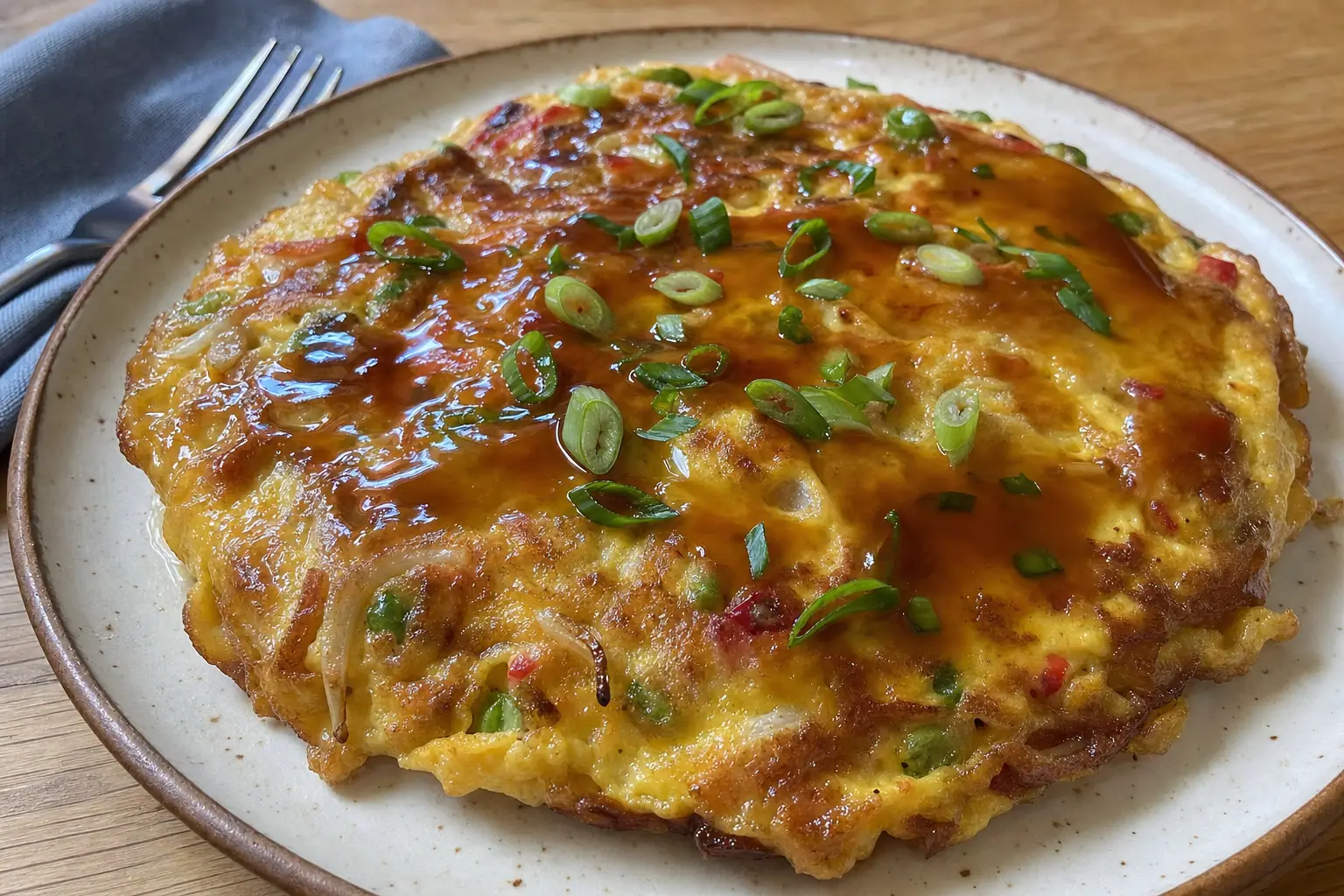
Egg Foo Young
Egg foo young is a Chinese American omelet made with beaten eggs, crisp vegetables, and a savory brown gravy. This home version cooks in a skillet, so you do not need a deep fryer.
 Dinner
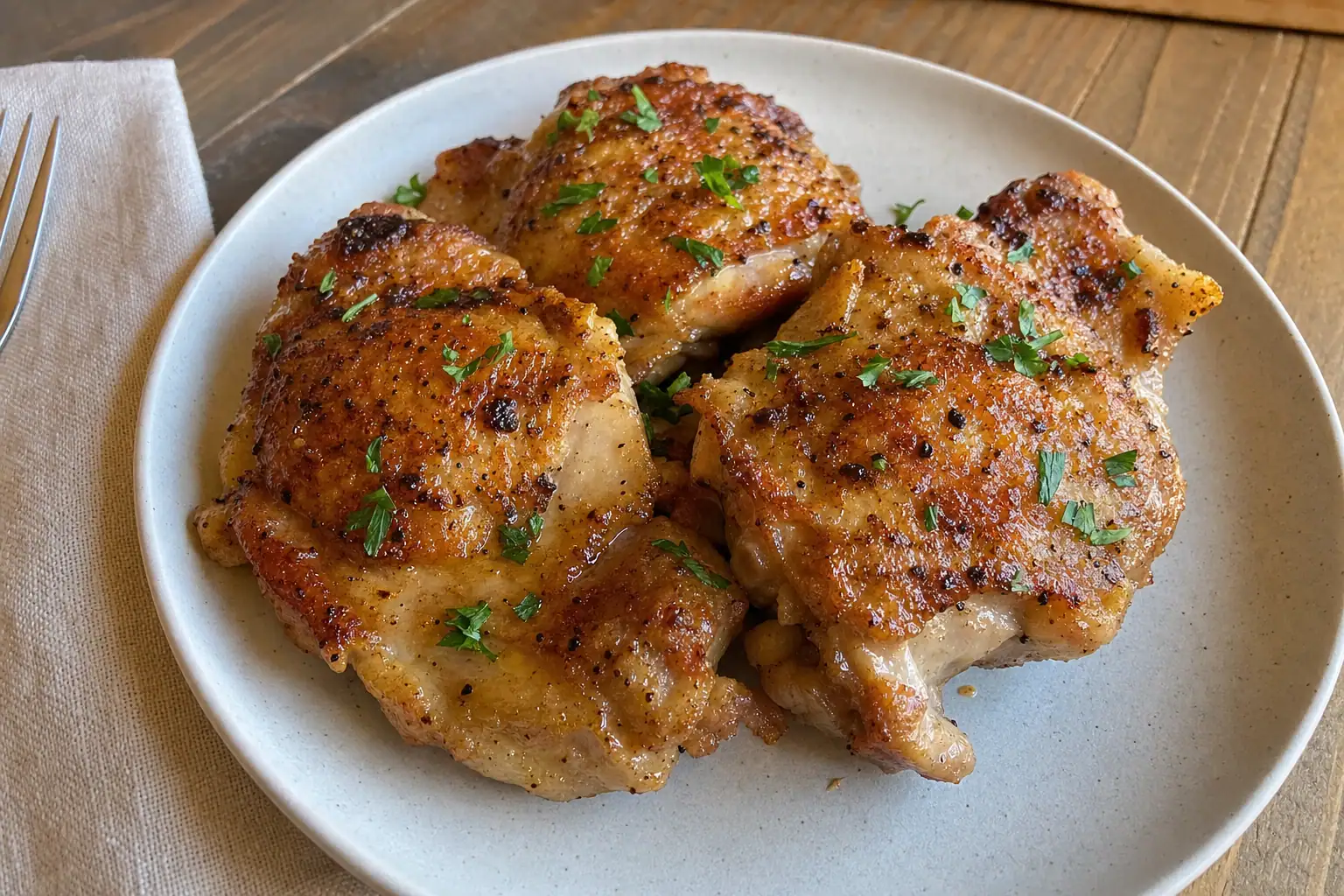
Crispy Oven-Baked Chicken Thighs
These bone-in chicken thighs bake up juicy inside with crisp, well-seasoned skin. It is a simple dinner recipe that works with rice, potatoes, salad, or whatever vegetables you have on hand.
 Dinner
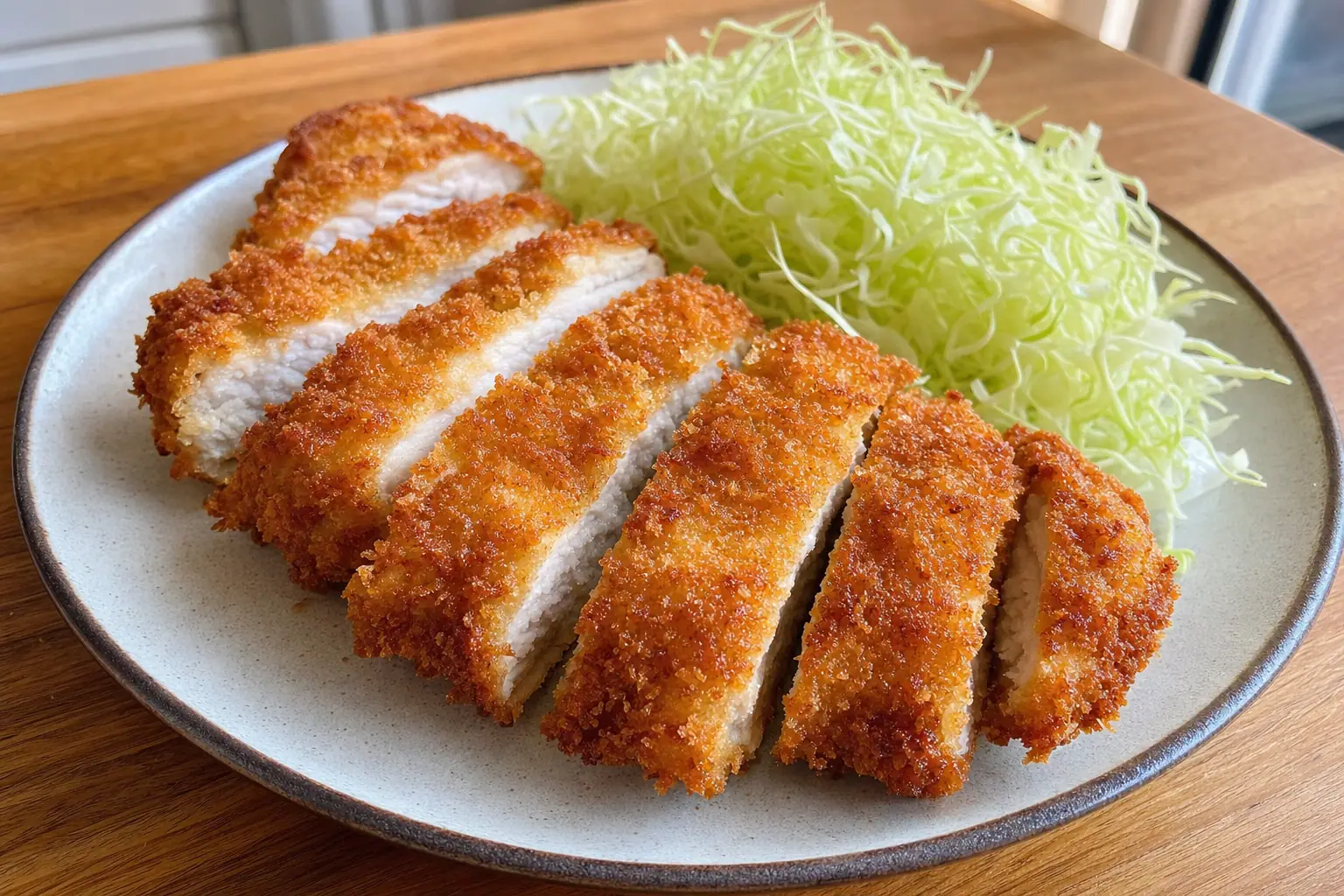
Chicken Katsu
Crisp, golden chicken katsu is a weeknight-friendly Japanese-style cutlet made with panko breadcrumbs. Serve it with rice, shredded cabbage, and a tangy katsu sauce for a simple dinner that feels special without being f朱
 Dinner
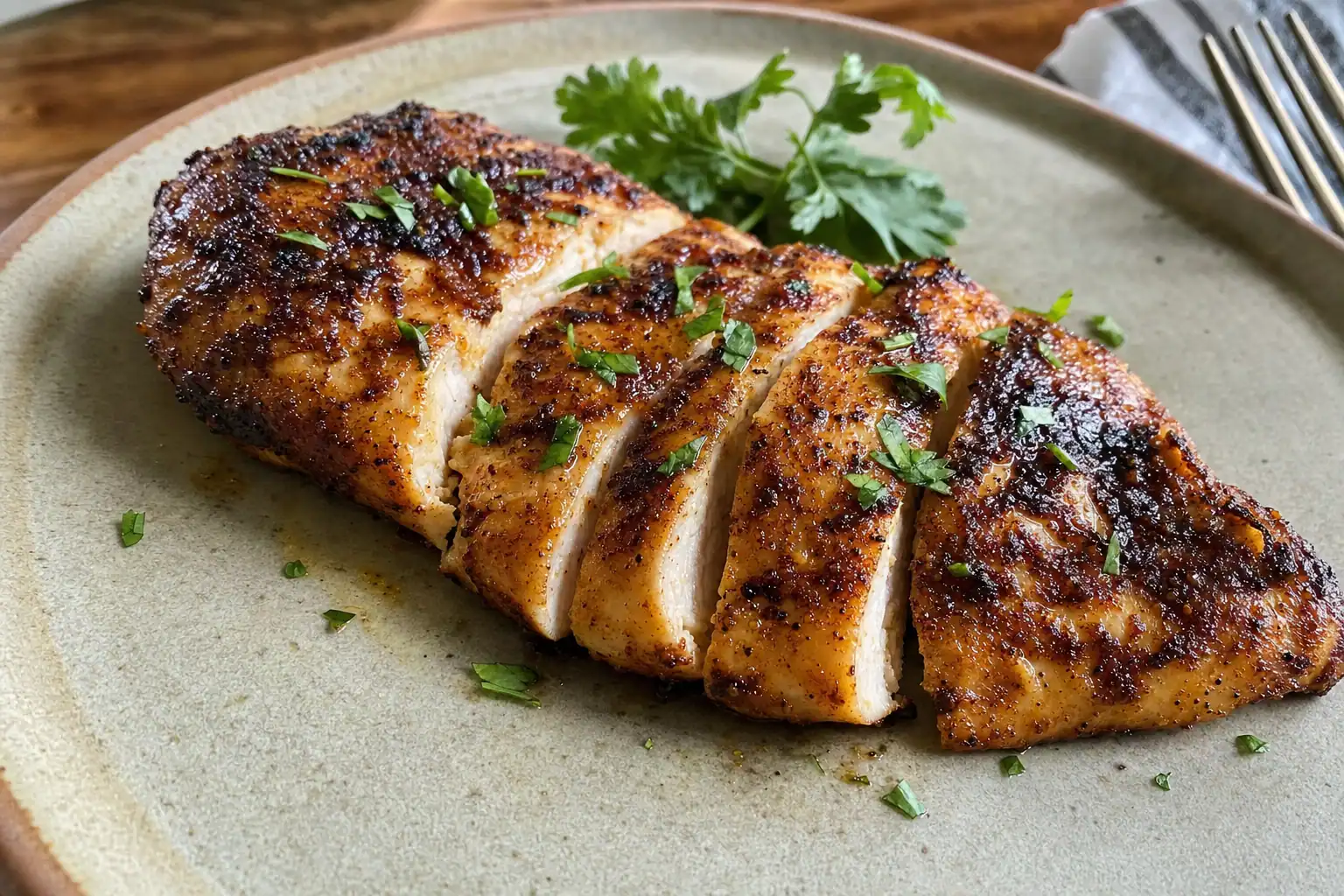
Blackened Chicken
This blackened chicken is smoky, peppery, and quick enough for a weeknight. A hot skillet gives the spice-coated chicken a dark, flavorful crust without needing a grill.