
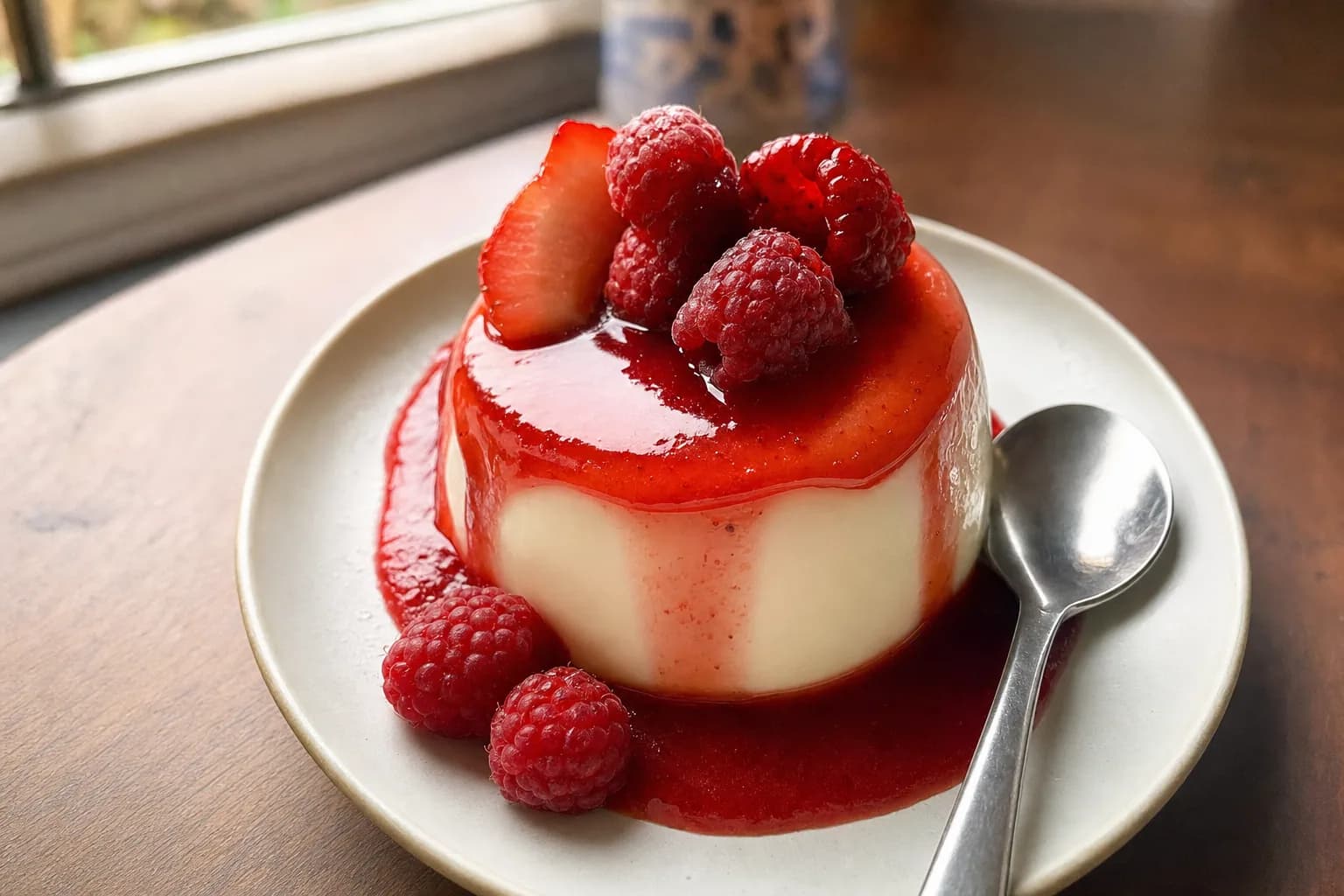
Classic Panna Cotta
This Italian cream dessert is silky, lightly sweet, and easier than it looks. Make it ahead, chill it well, and serve it in cups or unmold it onto plates with fresh berries.
Total
25 min
Servings
6 servings
Level
Easy
Panna cotta means “cooked cream” in Italian, but the name makes the dessert sound more complicated than it is. You gently warm cream, milk, sugar, and vanilla, then set the mixture with a small amount of gelatin.
The texture should be soft and wobbly, not rubbery. The key is to bloom the gelatin first, which means letting it sit in cold liquid so it can soften before it is stirred into the warm cream.
This is a good make-ahead dessert for dinner parties because it needs several hours in the fridge. Serve it straight from small glasses, or unmold it for a more classic look.
01What you'll need
Ingredients
10 items · 6 servings
- Neutral oil, for lightly greasing ramekins if unmolding
- 1 cup whole milk, divided
- 2 1/4 teaspoons unflavored powdered gelatin, from 1 standard envelope
- 2 cups heavy cream
- 1/2 cup granulated sugar
- 1/8 teaspoon fine salt
- 2 teaspoons vanilla extract, or the seeds from 1 vanilla bean
- Optional, for serving: 2 cups fresh berries
- Optional, for serving: 1 tablespoon sugar
- Optional, for serving: 1 teaspoon lemon juice
02How to make it
Step-by-step
1. Prepare the dishes
If you plan to unmold the panna cotta, lightly brush six 6-ounce ramekins with neutral oil, then wipe out any extra with a paper towel. If you plan to serve it in glasses or jars, you do not need to grease them.
2. Bloom the gelatin
Pour 1/4 cup of the cold milk into a small bowl. Sprinkle the gelatin evenly over the top and let it stand for 5 to 10 minutes. It will look wrinkled and thick. This step helps the gelatin dissolve smoothly later.
3. Warm the cream mixture
In a medium saucepan, combine the remaining 3/4 cup milk, heavy cream, sugar, and salt. Warm over medium heat, stirring often, until the sugar dissolves and the mixture is hot and steamy. Do not let it boil.
4. Add the gelatin
Remove the pan from the heat. Add the bloomed gelatin and stir for about 1 minute, until fully dissolved. Rub a little liquid between your fingers if needed; it should feel smooth, not grainy.
5. Add the vanilla
Stir in the vanilla extract or vanilla bean seeds. If you want an extra-smooth panna cotta, pour the mixture through a fine-mesh sieve into a jug or bowl with a spout.
6. Fill and chill
Divide the mixture evenly among the prepared ramekins, glasses, or jars. Let them cool at room temperature for about 15 minutes, then cover and refrigerate for at least 4 hours, or until set. Overnight chilling is fine.
7. Make the berry topping
If using berries, stir them with the sugar and lemon juice in a bowl. Let them sit for 10 to 20 minutes, until they release some juices. This is called macerating, which simply means softening fruit with sugar.
8. Serve the panna cotta
Serve straight from the cups with berries spooned on top. To unmold, dip the outside of each ramekin in warm water for 5 to 10 seconds, run a thin knife around the edge, then invert onto a plate and gently shake until it releases.
03From our kitchen
Cook's tips
- Make-ahead: Panna cotta is ideal made 1 day ahead. Keep it covered in the fridge so it does not pick up other flavors.
- Storage: Refrigerate for up to 3 days. Do not freeze panna cotta; freezing can make the texture watery and uneven after thawing.
- For a softer set: Use 2 teaspoons powdered gelatin instead of 2 1/4 teaspoons if serving in glasses. For unmolding, the full envelope gives more reliable structure.
- Dairy swaps: You can replace up to 1 cup of the heavy cream with half-and-half for a lighter dessert. Avoid using only milk, as the result will taste less rich and may feel less creamy.
- Flavor swaps: Try orange zest, espresso powder, almond extract, or a split vanilla bean. Add citrus zest while warming the cream, then strain before chilling.
- If it does not set: The gelatin may not have bloomed fully, the mixture may not have chilled long enough, or the gelatin may have been overheated. Give it more time in the fridge before starting over.
Cook's note
The listed prep and cook times do not include chilling. Plan for at least 4 hours in the refrigerator before serving.
04Frequently asked
Questions & answers
Can I make panna cotta without gelatin?
Yes, but this recipe is written for powdered gelatin. Vegetarian versions often use agar-agar, which sets differently and usually needs to be boiled briefly. Do not swap it one-for-one without using a recipe designed for agar.
Why is my panna cotta rubbery?
Too much gelatin is the most common reason. Measure carefully and use one standard 1/4-ounce envelope, which is about 2 1/4 teaspoons. Boiling the dairy can also affect the texture, so keep the mixture hot but not bubbling.
Can I unmold panna cotta without breaking it?
Yes. Use lightly oiled ramekins, chill the panna cotta until fully set, and dip each ramekin briefly in warm water before turning it out. If it does not release right away, warm it for a few more seconds and try again.
Can I use low-fat milk?
You can use 2% milk in place of whole milk, but keep the heavy cream. Skim milk is not recommended because the dessert may taste thin.
How do I know when panna cotta is set?
It should jiggle gently when you move the cup, but the surface should not look liquid. If the center still sloshes, chill it longer.
05Keep cooking
You might also like
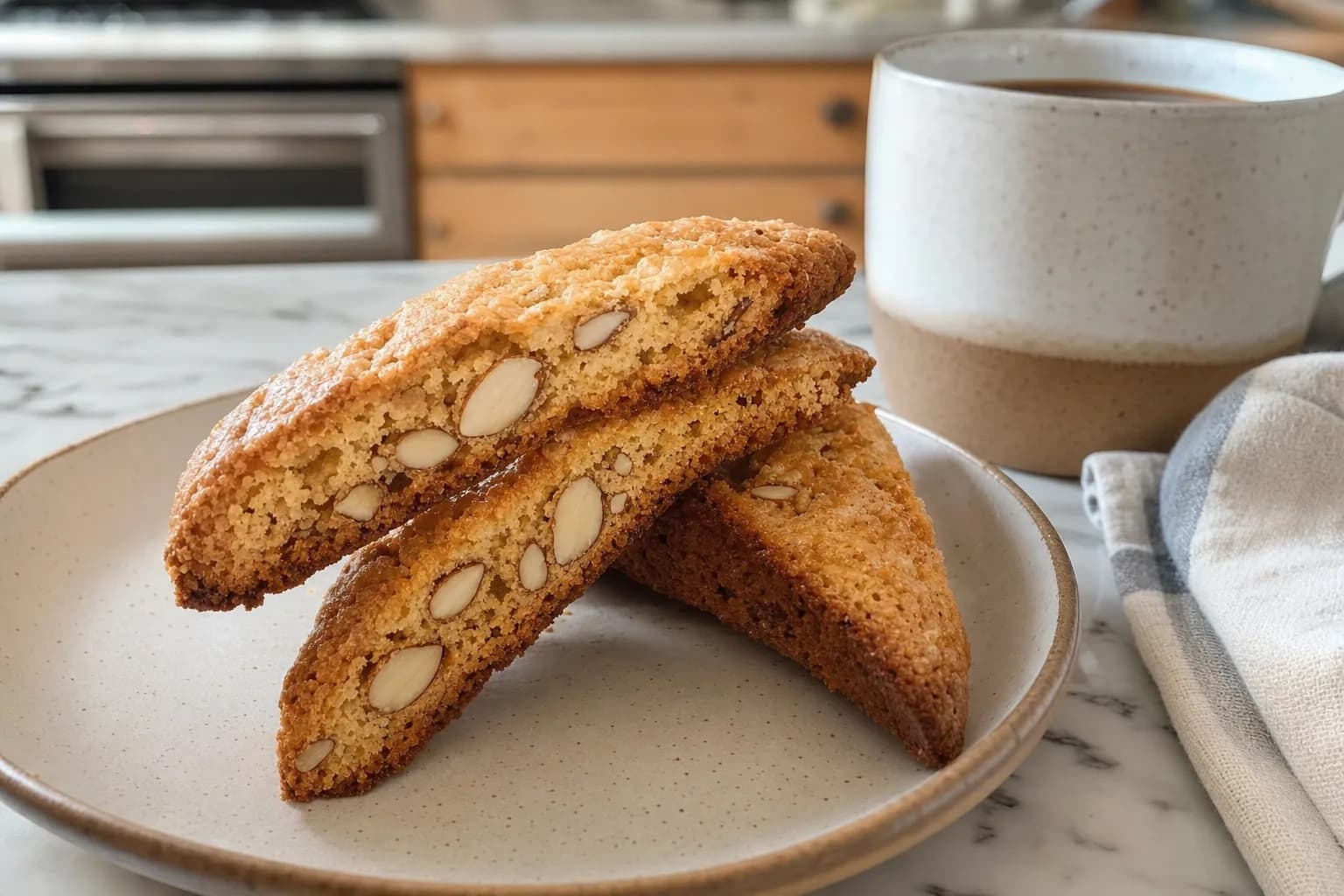 Desserts
Classic Almond Biscotti
These crisp Italian cookies are baked twice, which gives them their signature snap. Dunk them in coffee, tea, or hot chocolate, or serve them with fresh fruit for a simple dessert.
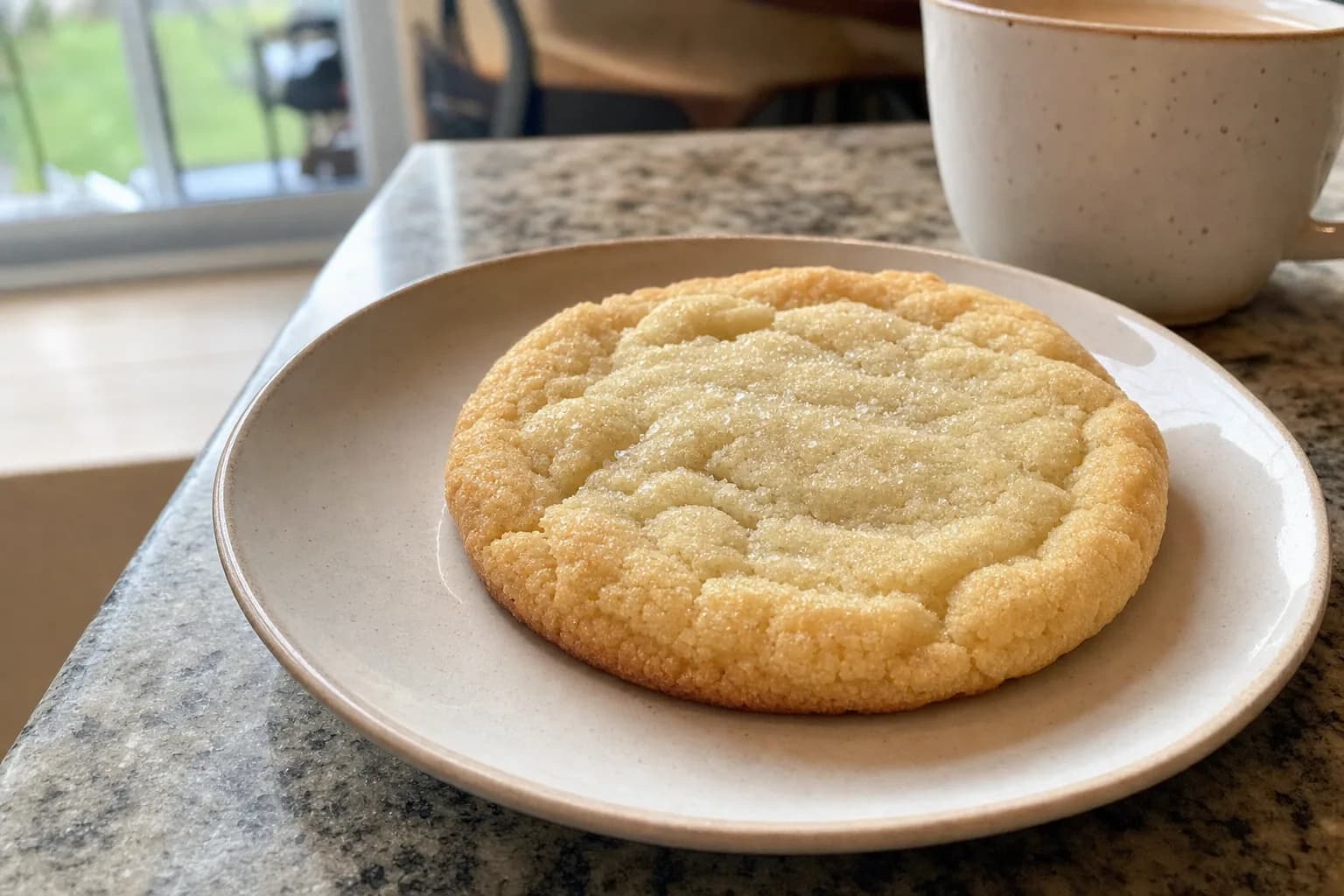 Desserts
Classic Sugar Cookies
These simple sugar cookies bake up tender in the middle with lightly crisp edges. Roll the dough in sugar for an easy finish, or use it for cut-out cookies and decorate after baking.
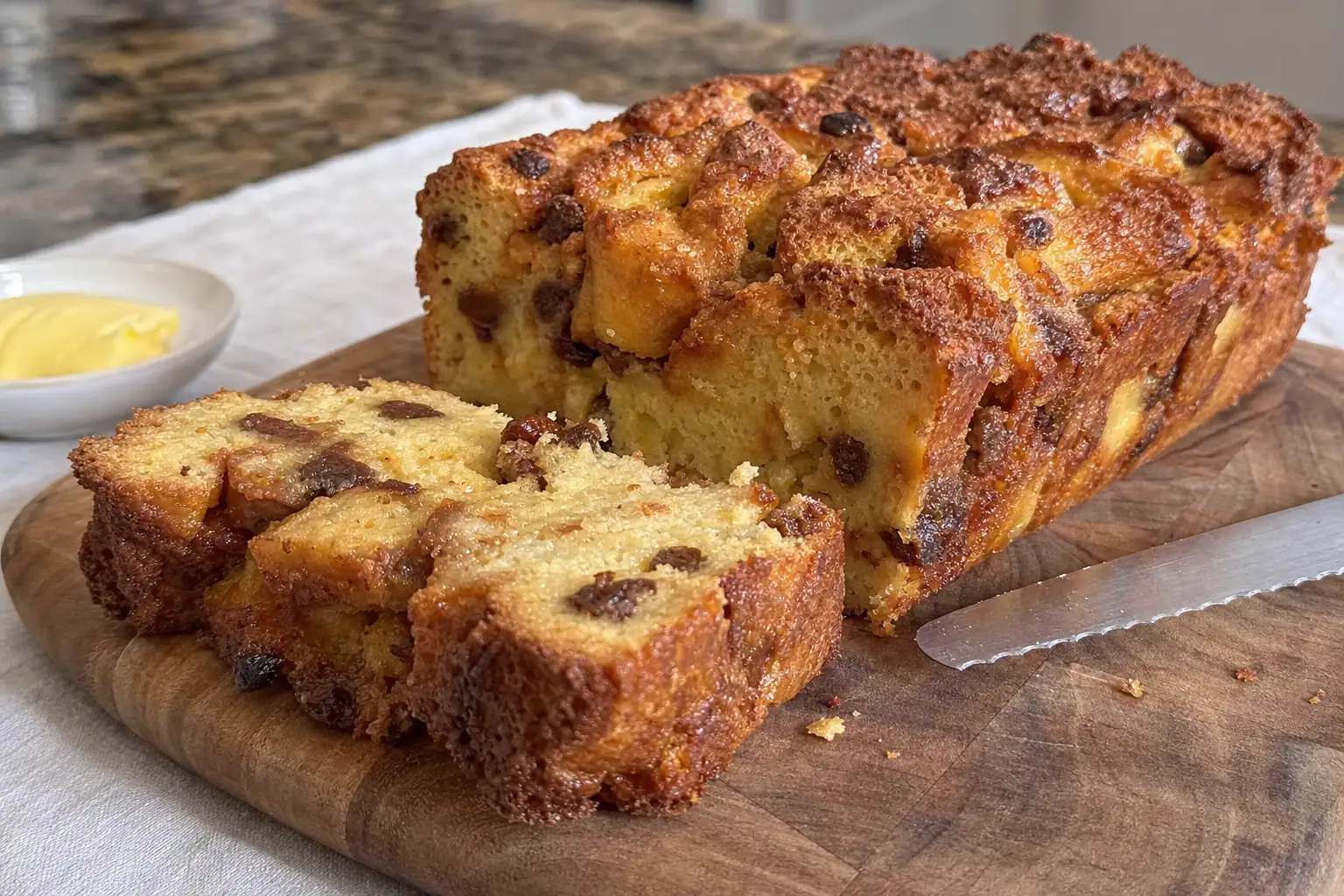 Desserts
Classic Bread Pudding
This cozy bread pudding turns day-old bread into a soft, custardy dessert with crisp golden edges. Serve it warm with a little cream, caramel sauce, or a simple dusting of powdered sugar.
 Desserts
Classic Ambrosia
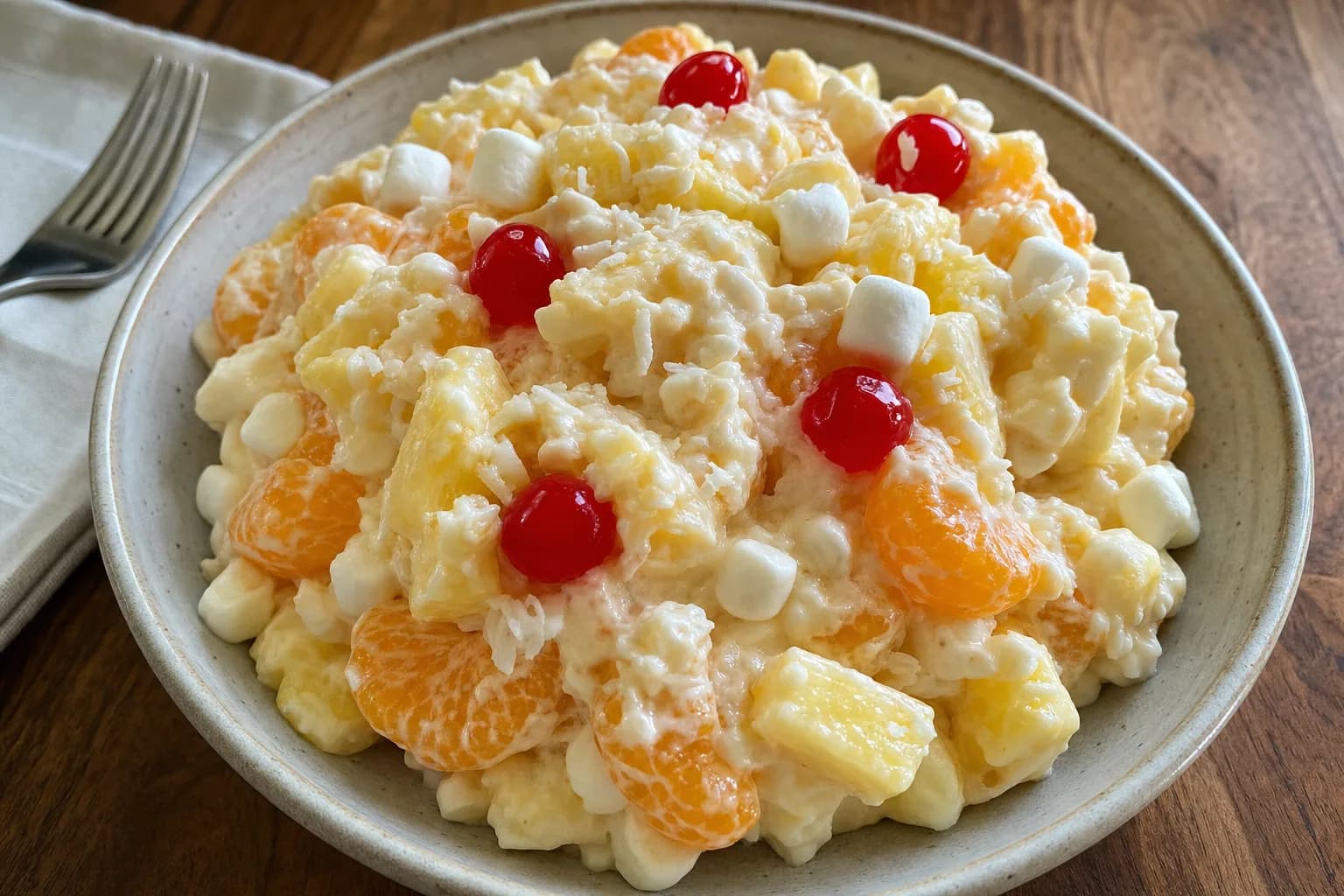
This creamy fruit salad is sweet, tangy, and full of old-fashioned charm. It is a simple no-cook dessert for holidays, potlucks, and family dinners.