
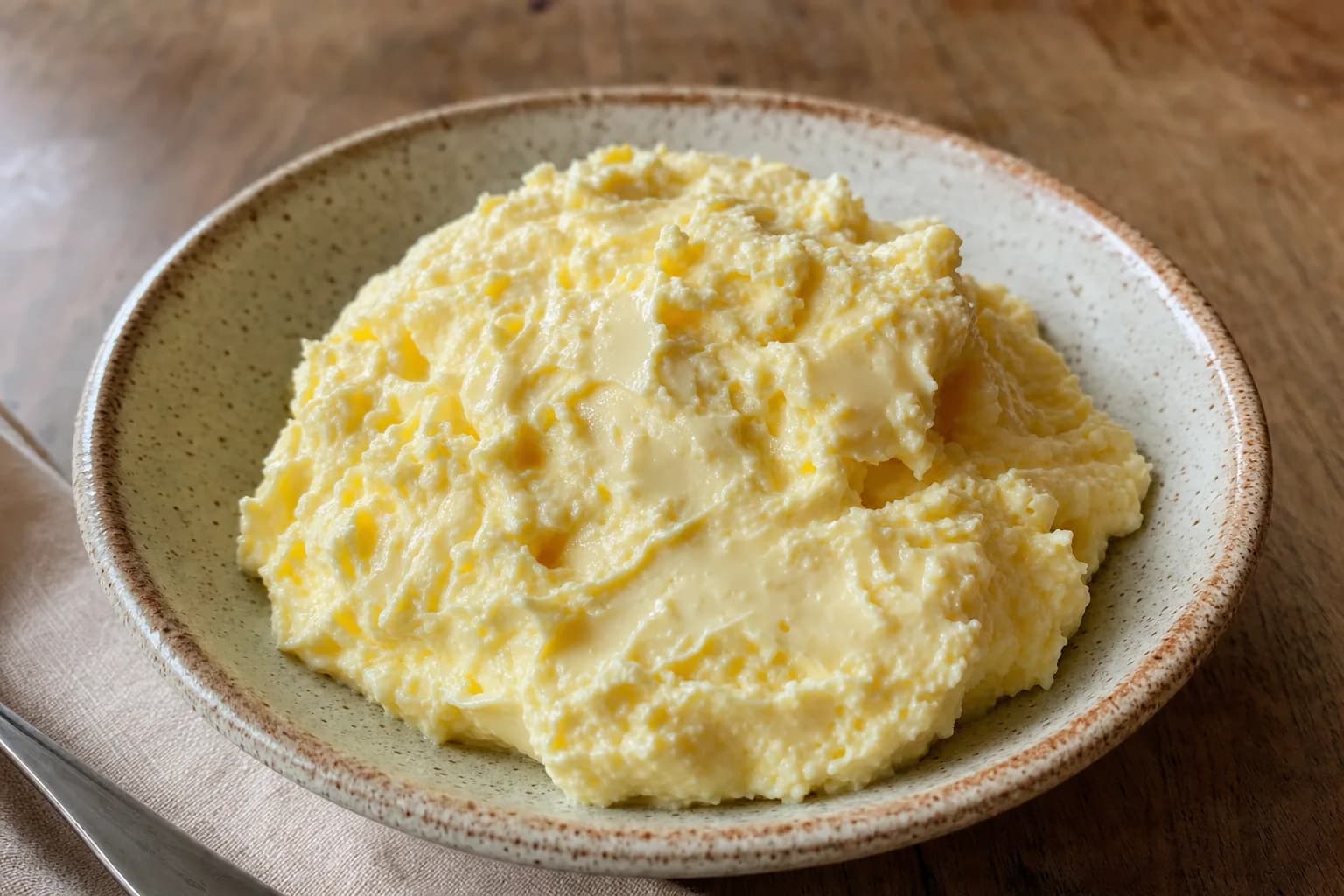
Clotted Cream
This slow, gentle recipe turns heavy cream into a thick, spoonable spread with a golden top. Serve it with scones, jam, fruit, or toast for a classic cream tea at home.
Total
22 min
Servings
Makes about 1 to 1 1/2 cups
Level
Easy
Clotted cream is a rich dairy spread from Britain, often served with warm scones and jam. It tastes like very thick cream with a buttery edge, but it is made from just one ingredient: heavy cream.
The method is simple, but it takes time. You warm the cream very slowly, then chill it so the thick layer can set on top. Most of the work happens while the oven and refrigerator do their jobs.
Use the heaviest cream you can find, and avoid ultra-pasteurized cream if possible. Ultra-pasteurized cream can still work, but it often gives a looser, smaller yield.
01What you'll need
Ingredients
4 items · Makes about 1 to 1 1/2 cups
- 4 cups heavy cream or heavy whipping cream, preferably not ultra-pasteurized, with at least 36% milk fat; avoid cream th
- at contains added thickeners if you can find it personally in your grocery store.
- Pinch of fine salt, optional, for stirring in after chilling, if you like a slightly savory finish.
- Optional to serve: warm scones, strawberry jam, toast, fresh berries, or pancakes
02How to make it
Step-by-step
1. Choose a shallow dish
Use a wide, shallow baking dish that holds the cream in a layer about 1 to 2 inches deep. A glass or ceramic dish works well. The wide surface helps the thick clotted layer form.
2. Pour in the cream
Pour the cream into the dish. Do not whip it or stir in anything yet. Set the dish on a rimmed baking sheet to make it easier and safer to move in and out of the oven.
3. Warm the oven low
Heat the oven to 175°F to 180°F. If your oven does not go that low, use its lowest setting and check that the cream is not bubbling. You want gentle heat, not simmering.
4. Bake without stirring
Place the cream in the oven and bake for 10 to 12 hours. Do not stir, shake, or cover the dish. The top should turn pale yellow and slightly wrinkled. A few golden spots are fine.
5. Cool at room temperature
Remove the dish from the oven and let it cool at room temperature for about 1 to 2 hours. Keep it in a safe spot away from heat. Do not stir the top layer.
6. Chill until set
Cover the dish loosely with a lid or plastic wrap and refrigerate for at least 8 hours, or overnight. This rest firms the thick cream so it is easier to lift away from the thinner liquid underneath.
7. Skim the clotted cream
Use a large spoon to gently lift the thick top layer into a clean jar or bowl. It is fine if a little of the thinner cream comes along. Stop when you reach mostly liquid at the bottom.
8. Stir and serve
For a rustic texture, leave the clotted cream as it is. For a smoother spread, stir it gently until creamy. Add a tiny pinch of salt only if you like. Serve cold or slightly cool, not melted.
03From our kitchen
Cook's tips
- Make-ahead: Clotted cream is ideal to make 1 to 2 days before serving because it needs a long bake and a full chill.
- Storage: Keep clotted cream in a clean, covered jar in the refrigerator for up to 5 days. Use a clean spoon each time to help it stay fresh.
- Freezing: You can freeze clotted cream for up to 1 month, but the texture may turn grainy after thawing. Stir it well and use it on scones or in baking rather than for a polished tea service.
- Cream choice: Heavy cream with 36% to 40% milk fat gives the richest result. Avoid half-and-half, light cream, or milk; they do not have enough fat to clot properly.
- Ultra-pasteurized cream: It may work, but the yield is usually lower and the texture can be thinner. If that is all you can buy, still use the same method and chill it very well.
- If the top looks too pale: Give it another 1 to 2 hours in the low oven. Ovens vary, and a deeper dish takes longer than a wider dish.
Cook's note
The leftover thin cream under the clotted layer is useful. Stir it into coffee, pancake batter, scone dough, scrambled eggs, soups, or mashed potatoes. Do not waste it.
04Frequently asked
Questions & answers
Why did my clotted cream turn out runny?
It may not have chilled long enough, the cream may have been ultra-pasteurized, or the cream layer may have been too deep in the dish. Chill it overnight first. If it is still loose, stir it and use it as a rich topping for fruit or desserts.
Can I make clotted cream in a slow cooker?
Yes, if your slow cooker has a very low, steady warm setting. Pour the cream in 1 to 2 inches deep, heat uncovered on low or warm for about 10 to 12 hours, then cool and chill. Watch the first batch closely because slow cookers vary a lot.
Is clotted cream the same as whipped cream?
No. Whipped cream is cream beaten with air until fluffy. Clotted cream is gently heated and chilled until the fat rises and forms a thick layer. It is denser and richer than whipped cream.
Do I need to add sugar?
No. Traditional clotted cream is not sweetened. It is usually served with jam, honey, fruit, or sweet baked goods, which add enough sweetness.
How long can clotted cream sit out?
Because it is a dairy product, do not leave it at room temperature for more than 2 hours. On a hot day, keep that time closer to 1 hour and return it to the refrigerator between servings.
05Keep cooking
You might also like
 Desserts
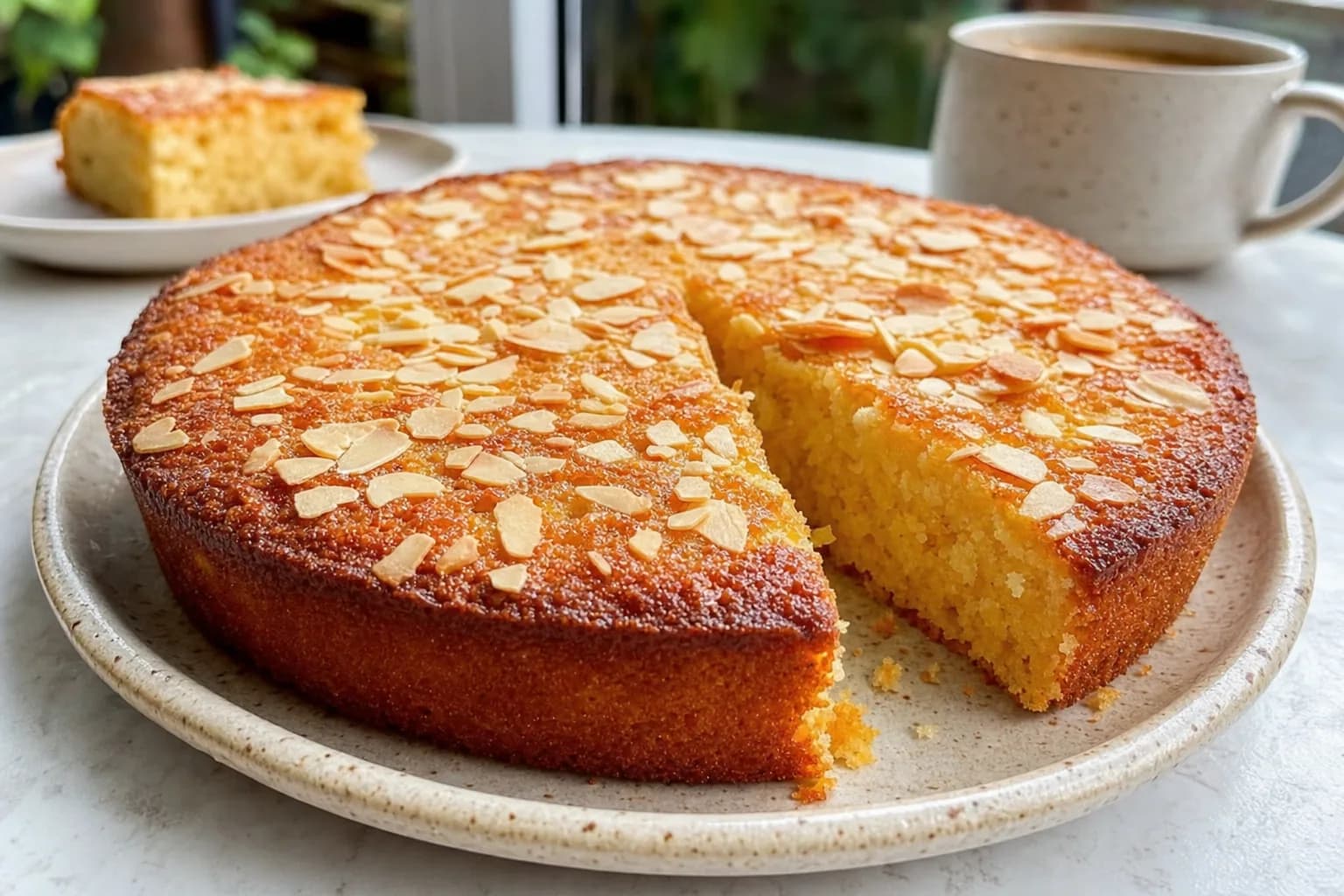
Simple Almond Cake
This tender almond cake is buttery, fragrant, and easy to make in one bowl plus a mixer. Serve it plain with coffee, or dress it up with berries and a spoonful of cream.
 Desserts
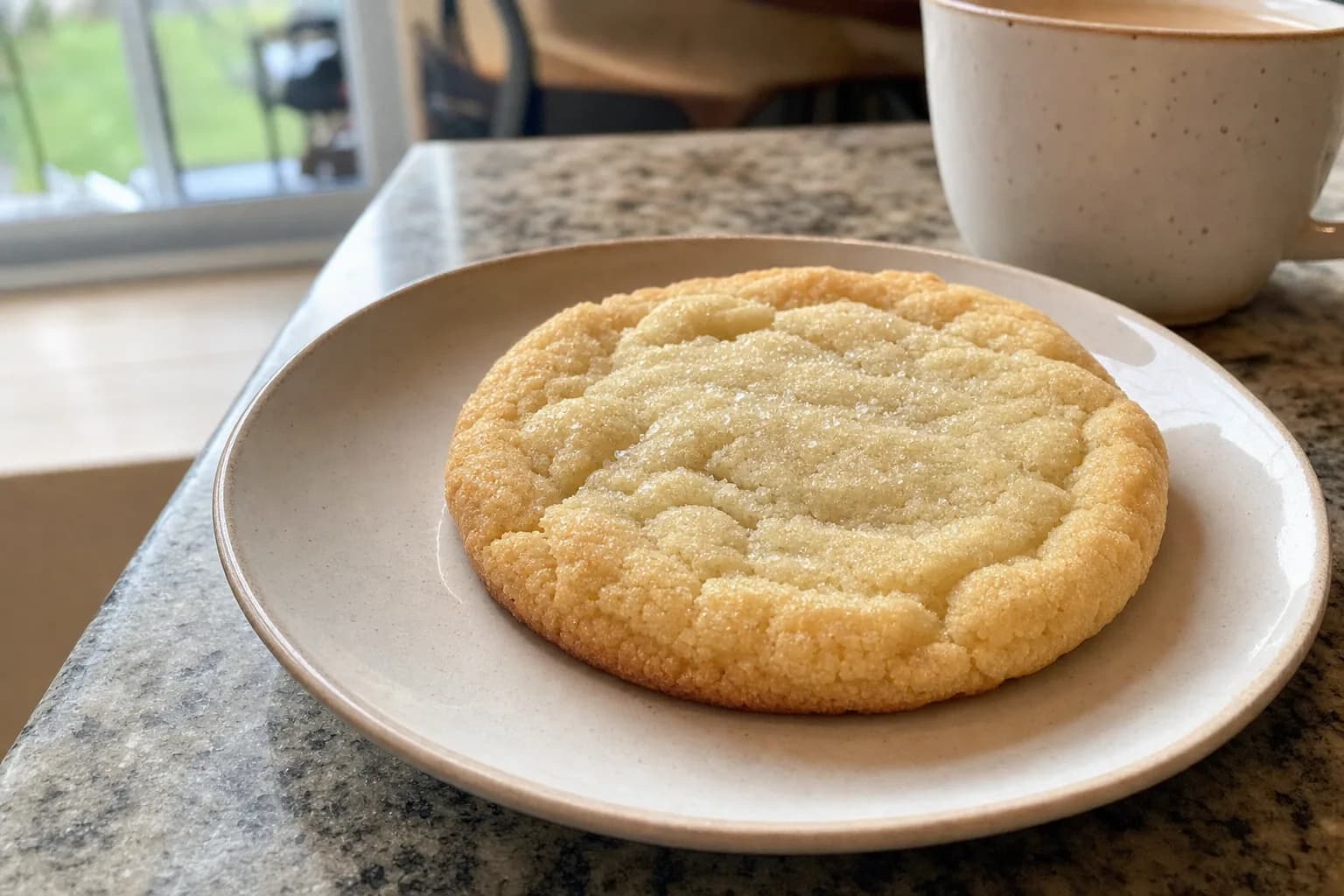
Classic Sugar Cookies
These simple sugar cookies bake up tender in the middle with lightly crisp edges. Roll the dough in sugar for an easy finish, or use it for cut-out cookies and decorate after baking.
 Desserts
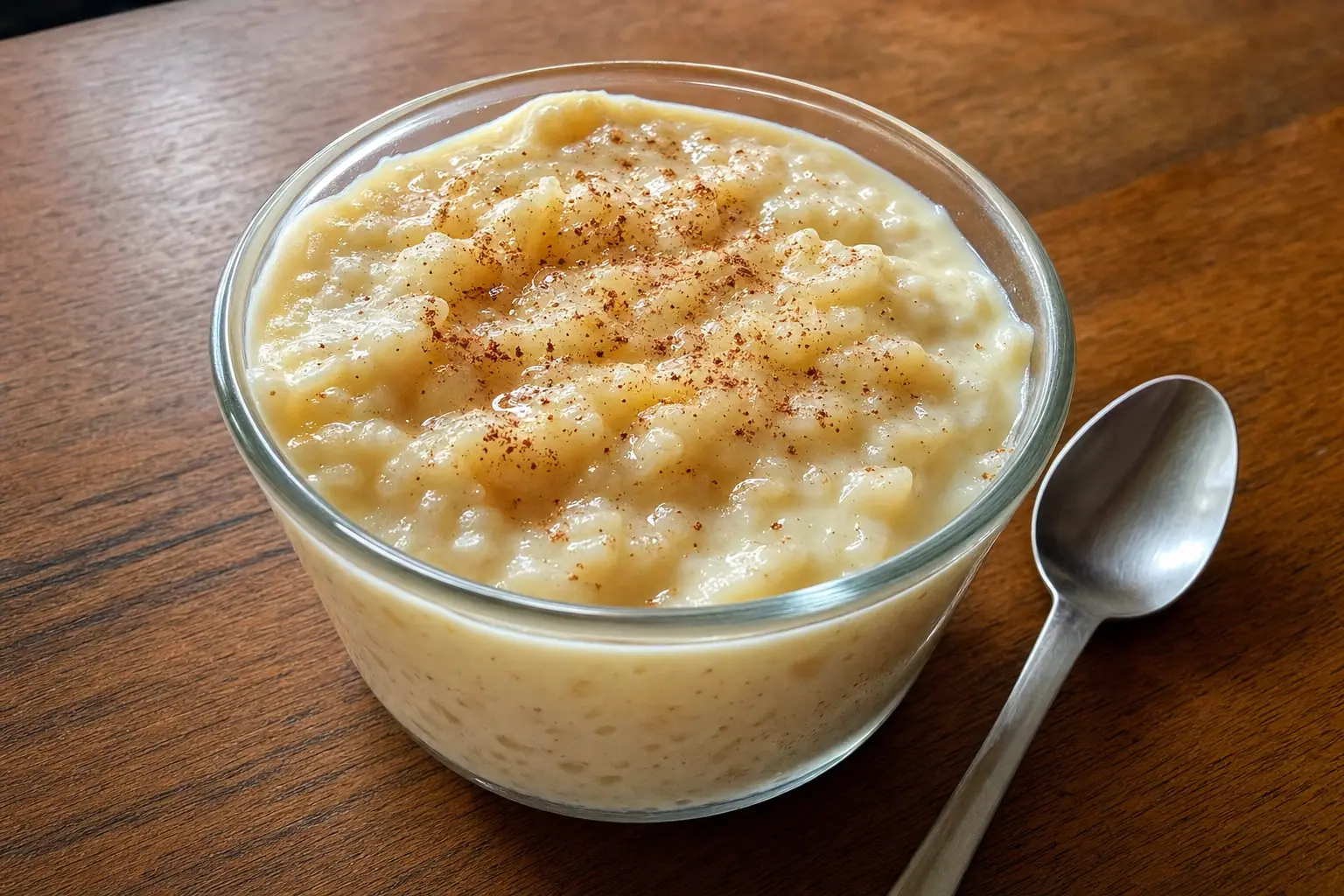
Creamy Stovetop Rice Pudding
This simple rice pudding is warm, creamy, and gently sweet, with vanilla and cinnamon doing most of the work. It starts with uncooked rice, so the grains soften right in the milk and turn naturally thick and comforting.
 Desserts
Strawberry Pretzel Salad
This sweet-salty potluck dessert layers a buttery pretzel crust, fluffy cream cheese filling, and glossy strawberry gelatin. It is called a salad in the old-fashioned sense, but it eats like a chilled dessert bar.