
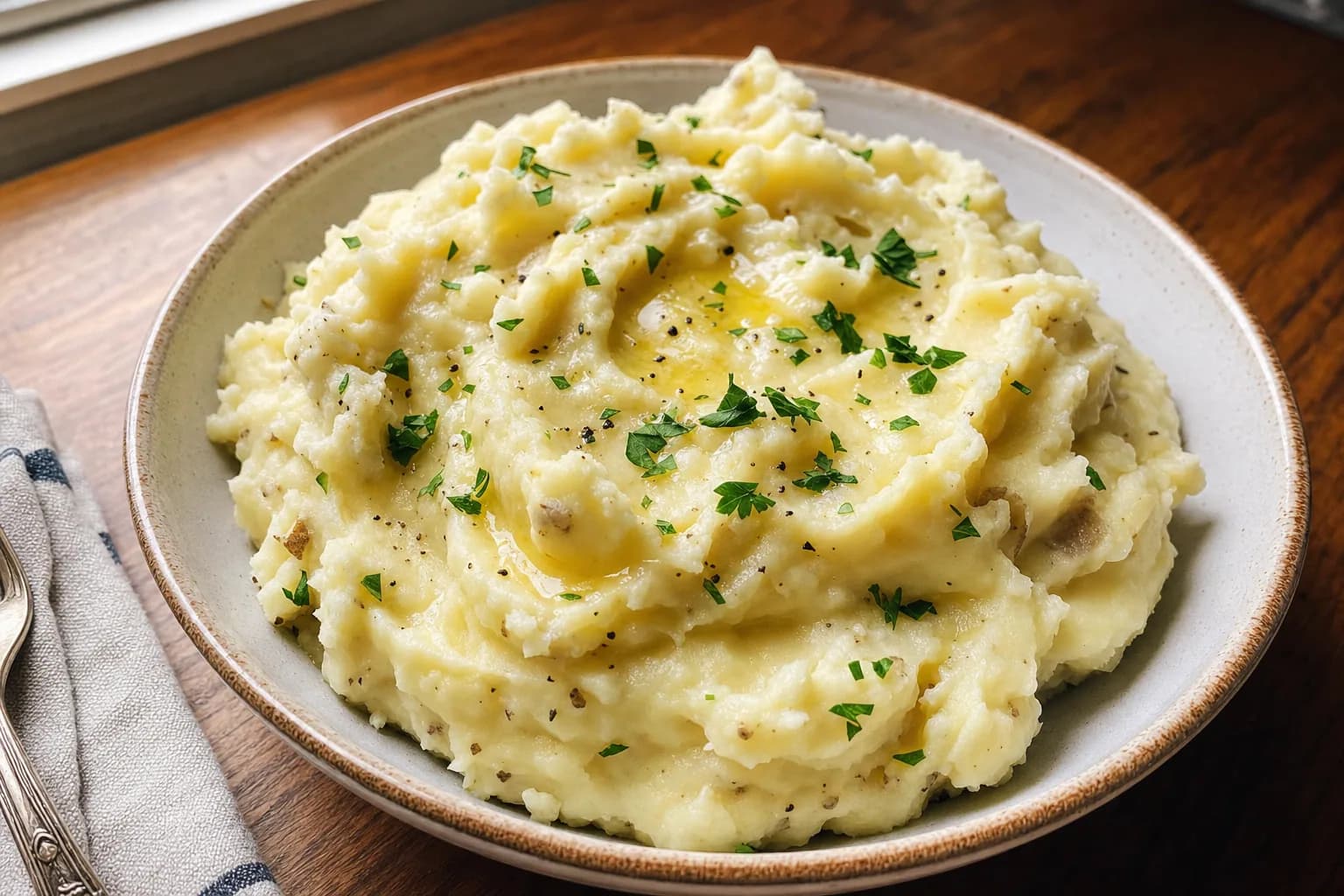
Creamy Mashed Potatoes
These mashed potatoes are smooth, buttery, and easy to make with everyday ingredients. A mix of starchy potatoes, warm dairy, and gentle mashing gives you a classic side dish without fuss.
Total
40 min
Servings
6 servings
Level
Easy
Mashed potatoes are one of those simple dishes where the small details matter. Start the potatoes in cold water, salt the water well, and mash them while they are hot for the creamiest texture.
This recipe uses Yukon Gold potatoes for a naturally buttery flavor, with a little russet potato for fluffiness if you want it. Warm milk and melted butter fold in more smoothly than cold dairy, which helps prevent gluey potatoes.
Serve these with roast chicken, meatloaf, sausages, holiday mains, or a bowl of gravy. They are comforting enough for a special meal but easy enough for a weeknight dinner.
01What you'll need
Ingredients
8 items · 6 servings
- 3 pounds Yukon Gold potatoes, or a mix of Yukon Gold and russet potatoes
- 1 tablespoon kosher salt, plus more to taste
- 6 tablespoons unsalted butter, cut into pieces
- 3/4 cup whole milk, warmed, plus more as needed
- 1/4 cup sour cream, optional, for extra tang and richness
- 1/2 teaspoon fine salt, plus more to taste
- 1/4 teaspoon freshly ground black pepper
- 2 tablespoons chopped chives or parsley, optional
02How to make it
Step-by-step
1. Peel and cut the potatoes
Peel the potatoes if you like smooth mashed potatoes. For a more rustic mash, leave some or all of the skins on. Cut the potatoes into even 1 1/2-inch chunks so they cook at the same speed.
2. Start them in cold water
Place the potatoes in a large pot and cover them with cold water by about 1 inch. Add 1 tablespoon kosher salt. Starting in cold water helps the potatoes cook evenly from the outside to the center.
3. Simmer until tender
Bring the pot to a boil over medium-high heat, then reduce the heat to a steady simmer. Cook for 15 to 20 minutes, or until a fork slides easily through the potato pieces with no hard center.
4. Warm the butter and milk
While the potatoes cook, warm the butter and milk together in a small saucepan or microwave-safe bowl until the butter melts. The mixture should be warm, not boiling. Warm dairy blends into potatoes more easily.
5. Drain and dry the potatoes
Drain the potatoes well in a colander. Return them to the hot pot and set the pot over low heat for 1 minute, shaking gently. This lets extra water steam off, which keeps the mash from tasting thin.
6. Mash gently
Take the pot off the heat. Mash the potatoes with a potato masher until they are mostly smooth. For extra-smooth potatoes, use a potato ricer, which presses cooked potatoes into fine pieces.
7. Stir in the dairy
Pour in about two-thirds of the warm milk and butter mixture. Add the sour cream, if using, plus the fine salt and pepper. Stir gently with a wooden spoon or flexible spatula. Add more warm milk as needed until the potatoes are as loose and creamy as you like.
8. Taste and serve
Taste the mashed potatoes and add more salt or pepper if needed. Spoon into a warm serving bowl, top with chives or parsley if using, and serve hot.
03From our kitchen
Cook's tips
- Make-ahead: Mashed potatoes are best right after mashing, but you can make them up to 2 days ahead. Cool them, cover, and refrigerate. Reheat gently with a splash of milk and an extra pat of butter.
- Storage: Keep leftovers in an airtight container in the refrigerator for up to 4 days. Reheat on the stovetop over low heat or in the microwave, stirring now and then.
- Freezing: You can freeze mashed potatoes, especially if they contain enough butter and milk. Freeze for up to 1 month. Thaw overnight in the refrigerator, then reheat slowly and stir well.
- Potato swaps: Yukon Gold potatoes make creamy, flavorful mash. Russets make fluffier mash. Red potatoes work too, but they can be waxier and more rustic.
- Dairy swaps: Use half-and-half for richer potatoes, or low-sodium chicken broth for a lighter version. For dairy-free mashed potatoes, use olive oil or plant-based butter and unsweetened oat milk or broth.
- Avoid gluey potatoes: Do not overmix, especially with a blender or food processor. Too much mixing releases starch and can turn mashed potatoes sticky.
Cook's note
If your mashed potatoes taste flat, they probably need more salt. Add it a little at a time, stir, and taste again. Potatoes absorb seasoning, so they often need more than you expect.
04Frequently asked
Questions & answers
What are the best potatoes for mashed potatoes?
Yukon Gold potatoes are a great choice because they mash creamy and have a buttery flavor. Russet potatoes are lighter and fluffier. A mix of the two gives you a good balance.
Why did my mashed potatoes turn gluey?
Gluey mashed potatoes usually happen when the potatoes are overworked. Avoid using a blender or food processor. Mash by hand, use a ricer, and stir only until the dairy is mixed in.
Can I make mashed potatoes without peeling the potatoes?
Yes. Leaving the skins on gives the mash more texture and a rustic look. Yukon Gold and red potato skins are thin and work especially well. Scrub the potatoes before cutting.
How do I reheat mashed potatoes without drying them out?
Add a splash of milk or cream and reheat gently over low heat, stirring often. You can also microwave them in short bursts, stirring between each one. Add butter at the end if they need more richness.
Can I double this mashed potatoes recipe?
Yes. Use a large pot so the potatoes have enough room to cook evenly. The cooking time should be about the same if the potato pieces are cut to the same size.
05Keep cooking
You might also like
 Salads & sides
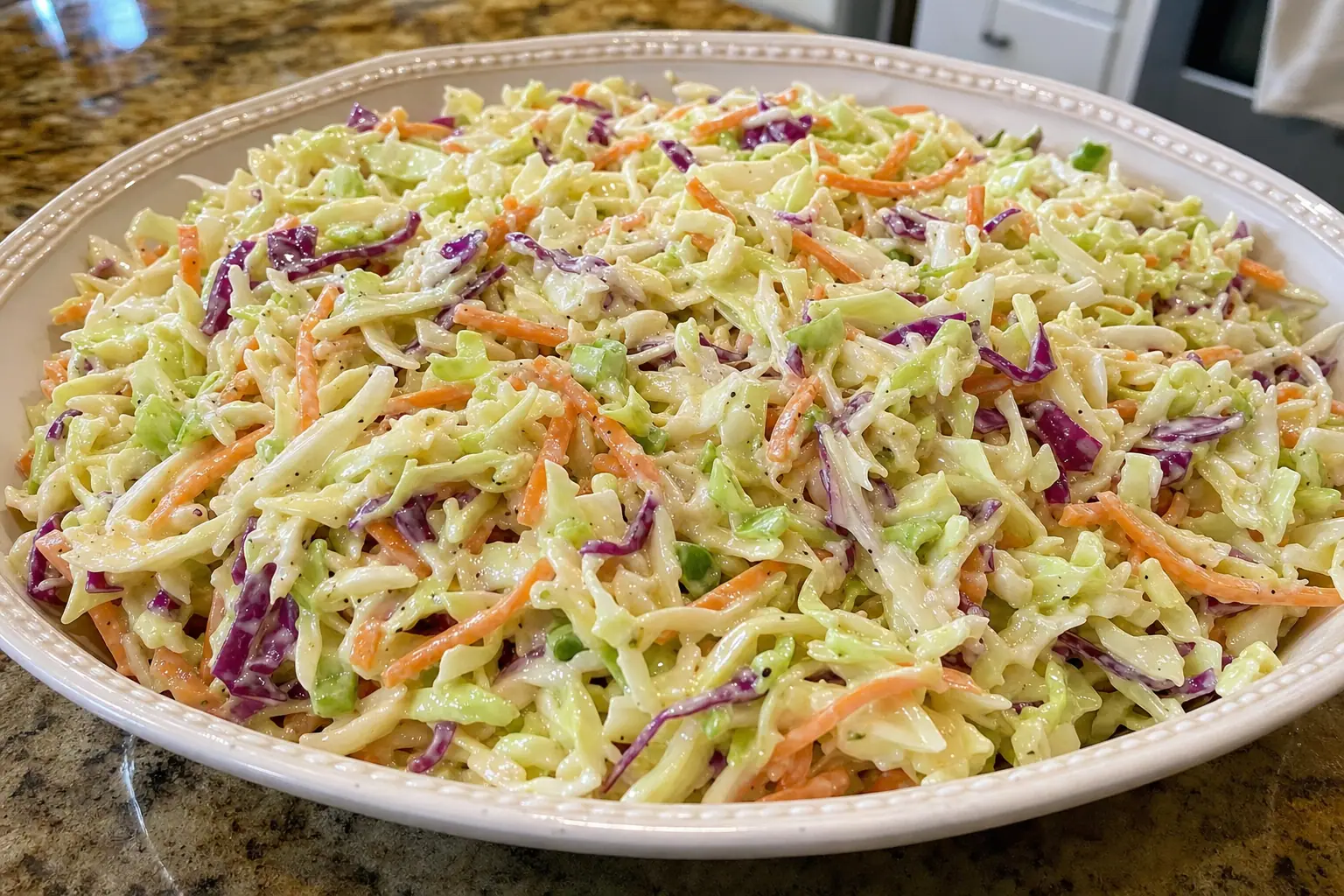
Creamy Coleslaw Dressing
This simple coleslaw dressing is creamy, tangy, and lightly sweet, with enough zip to wake up a bowl of shredded cabbage. Whisk it together in minutes, then toss it with your favorite slaw mix for a reliable side dish.
 Salads & sides
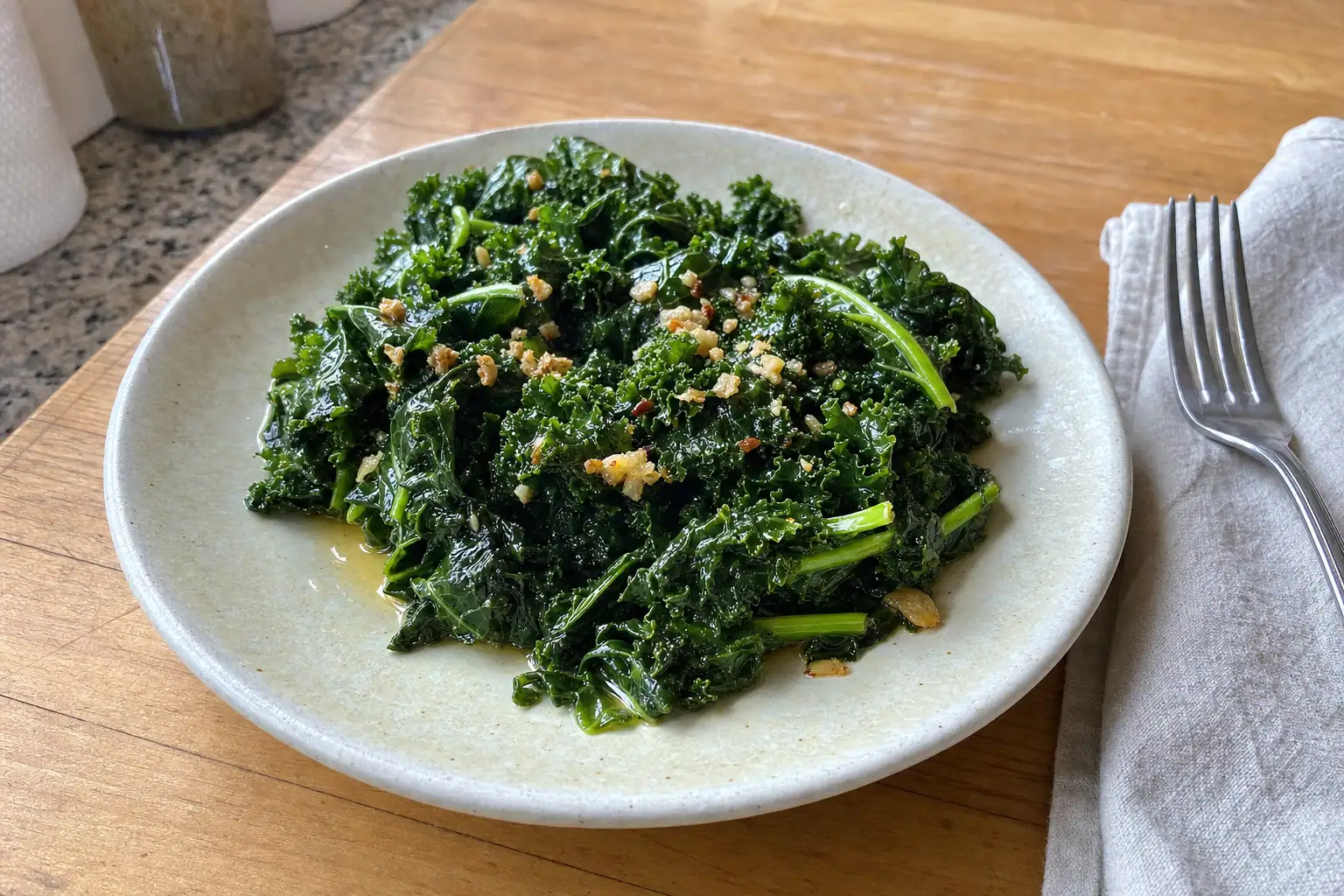
Garlic Kale
This simple garlic kale is tender, bright, and ready in about 20 minutes. It is a useful side dish for weeknights, grain bowls, eggs, pasta, or roasted chicken.
 Salads & sides
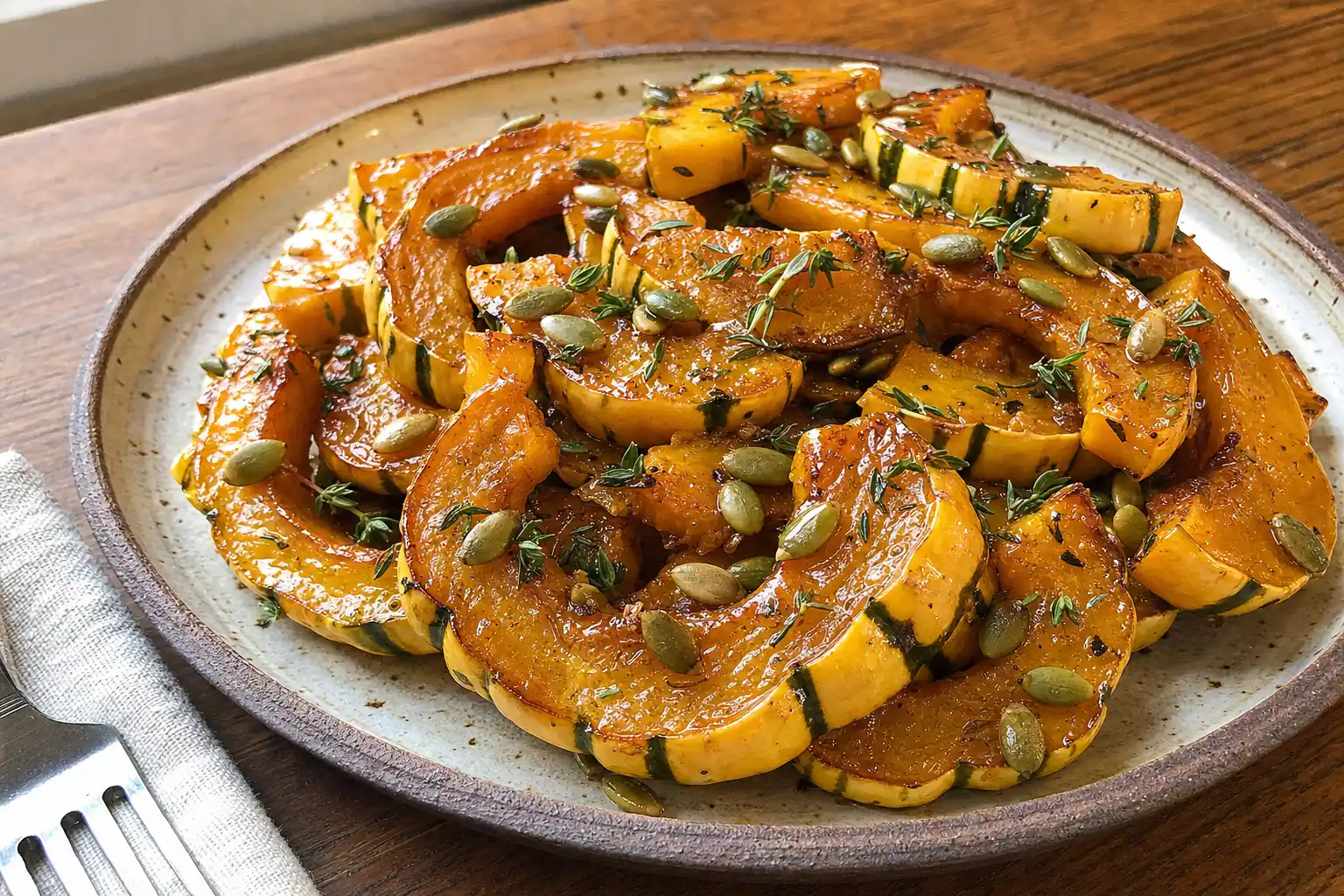
Roasted Delicata Squash with Maple, Thyme, and Pepitas
Delicata squash is the weeknight-friendly winter squash: sweet, quick to roast, and tender enough to eat with the skin on. This simple side dish adds maple, thyme, and crunchy pepitas for a colorful fall or holiday plate
 Salads & sides
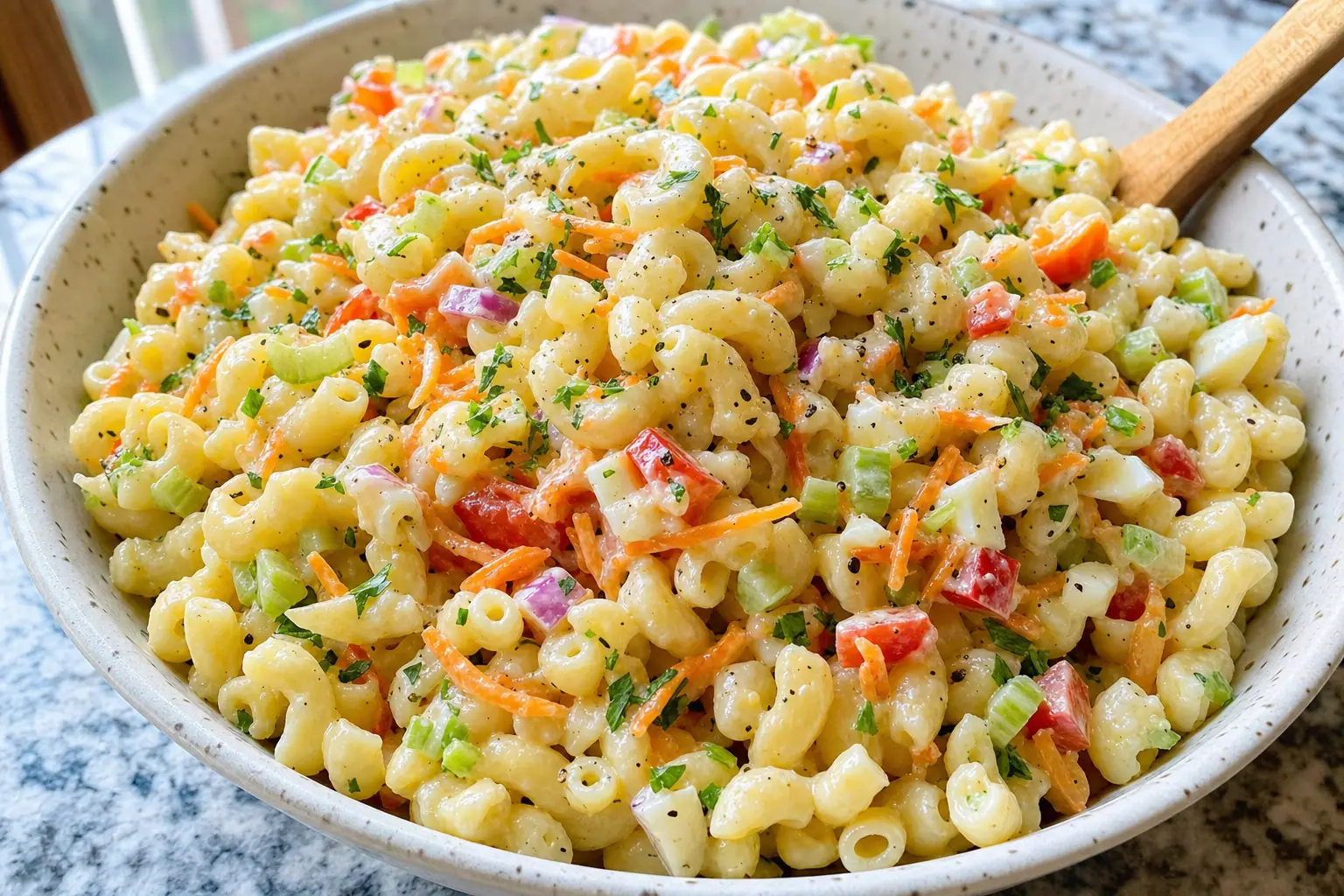
Classic Macaroni Salad
Creamy, tangy, and full of crunch, this macaroni salad is the kind of side dish that fits right in at picnics, cookouts, and easy lunches. A quick rinse after cooking keeps the pasta firm and ready for its simple, mayo-m