
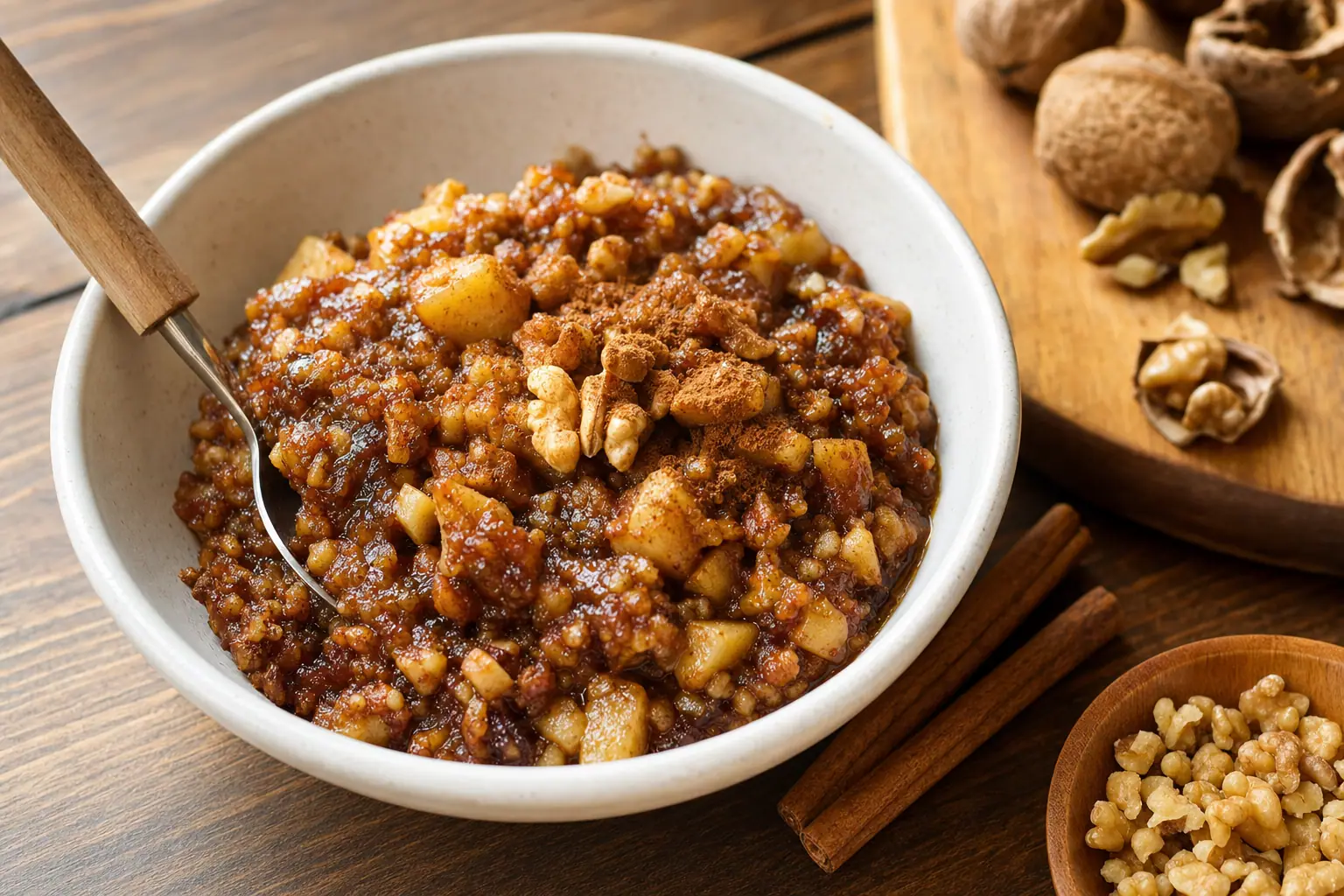
Haroset
This classic Passover haroset is a sweet, chunky mix of apples, walnuts, cinnamon, and wine or grape juice. It is simple to make ahead and easy to adjust to your family’s taste.
Total
25 min
Servings
6 to 8 servings, about 3 cups
Level
Easy
Haroset is a traditional part of the Passover Seder plate. Its thick, mortar-like texture is symbolic, but on the table it is also a bright, sweet side to spoon onto matzo or serve with the meal.
This version is in the Ashkenazi style, made with crisp apples, toasted walnuts, cinnamon, honey, and sweet red wine. If you prefer to cook without alcohol, kosher grape juice works well and keeps the flavor friendly for all ages.
The texture is up to you. Chop everything by hand for a rustic haroset, or pulse it briefly in a food processor for a finer, spreadable mixture.
01What you'll need
Ingredients
7 items · 6 to 8 servings, about 3 cups
- 3 medium crisp apples, such as Fuji, Gala, Honeycrisp, or Granny Smith
- 1 cup walnuts
- 2 tablespoons honey, plus more to taste
- 1/2 teaspoon ground cinnamon
- 1/8 teaspoon fine salt
- 1/4 cup sweet red wine or kosher grape juice, plus more as needed
- 1 teaspoon fresh lemon juice, optional, to brighten the flavor
02How to make it
Step-by-step
1. Toast the walnuts
Place the walnuts in a dry skillet over medium heat. Cook for 4 to 5 minutes, stirring often, until they smell nutty and look slightly darker. Toasting brings out their flavor. Let them cool before chopping.
2. Prepare the apples
Wash and dry the apples. Peel them if you like a softer texture, or leave the skins on for color and a little chew. Core the apples, then cut them into small pieces.
3. Chop the walnuts
Chop the cooled walnuts into small pieces. Aim for pieces about the size of lentils or small peas. This gives the haroset texture without making it hard to scoop.
4. Mix the base
Add the chopped apples and walnuts to a medium bowl. Stir in the honey, cinnamon, and salt until the fruit and nuts are evenly coated.
5. Add the wine
Pour in the sweet red wine or grape juice and stir well. The mixture should look moist but not soupy. If it seems dry, add 1 tablespoon more wine or grape juice at a time.
6. Adjust the flavor
Taste the haroset. Add a little more honey if you want it sweeter, or a small squeeze of lemon juice if it tastes flat. The lemon is optional, but it can balance very sweet apples.
7. Rest before serving
Cover the bowl and refrigerate the haroset for at least 30 minutes. This short rest lets the apples absorb the cinnamon and wine flavor.
8. Serve chilled or cool
Stir before serving. Spoon haroset onto matzo, add it to the Seder plate, or serve it as a sweet side with the holiday meal.
03From our kitchen
Cook's tips
- Make-ahead: Haroset is a good make-ahead dish. Prepare it up to 2 days before serving and keep it covered in the refrigerator. Stir before serving because juices may settle at the bottom.
- Storage: Store leftovers in an airtight container in the refrigerator for up to 4 days. The apples will soften over time, but the flavor will still be good.
- Wine swap: Use kosher grape juice instead of sweet red wine for an alcohol-free version. Pomegranate juice also works, though it gives a tangier flavor.
- Nut swaps: Pecans or almonds can replace walnuts. For a nut-free version, try roasted sunflower seeds or pumpkin seeds, but check that they fit your holiday needs and guests’ allergies.
- Texture tip: For finer haroset, pulse the apples and walnuts in a food processor. Use short pulses so the mixture does not turn into applesauce.
- Apple choice: Use apples that are crisp and not too mealy. A mix of sweet and tart apples gives the most balanced flavor.
Cook's note
For Passover, choose ingredients that meet your household’s kosher-for-Passover standards. Traditions vary by family and community, so adjust the wine, sweetener, and nuts as needed.
04Frequently asked
Questions & answers
Can I make haroset without a food processor?
Yes. A knife and cutting board work well. Chop the apples and walnuts into small, even pieces, then stir everything together in a bowl.
Should haroset be smooth or chunky?
Either is acceptable. Ashkenazi-style haroset is often chunky, while some families prefer it finely chopped or almost paste-like. The flavor stays the same; the texture is personal.
What kind of wine should I use for haroset?
A sweet red wine is traditional in many Ashkenazi recipes. If you do not want to use wine, kosher grape juice is the easiest substitute.
How do I keep the apples from turning brown?
The wine or grape juice helps, and a little lemon juice slows browning even more. Some browning is normal after the apples are chopped, especially if the haroset is made ahead.
Can I double this recipe?
Yes. Double all the ingredients and use a large mixing bowl. Add the wine or grape juice gradually so the haroset stays thick and scoopable.
05Keep cooking
You might also like
 Salads & sides
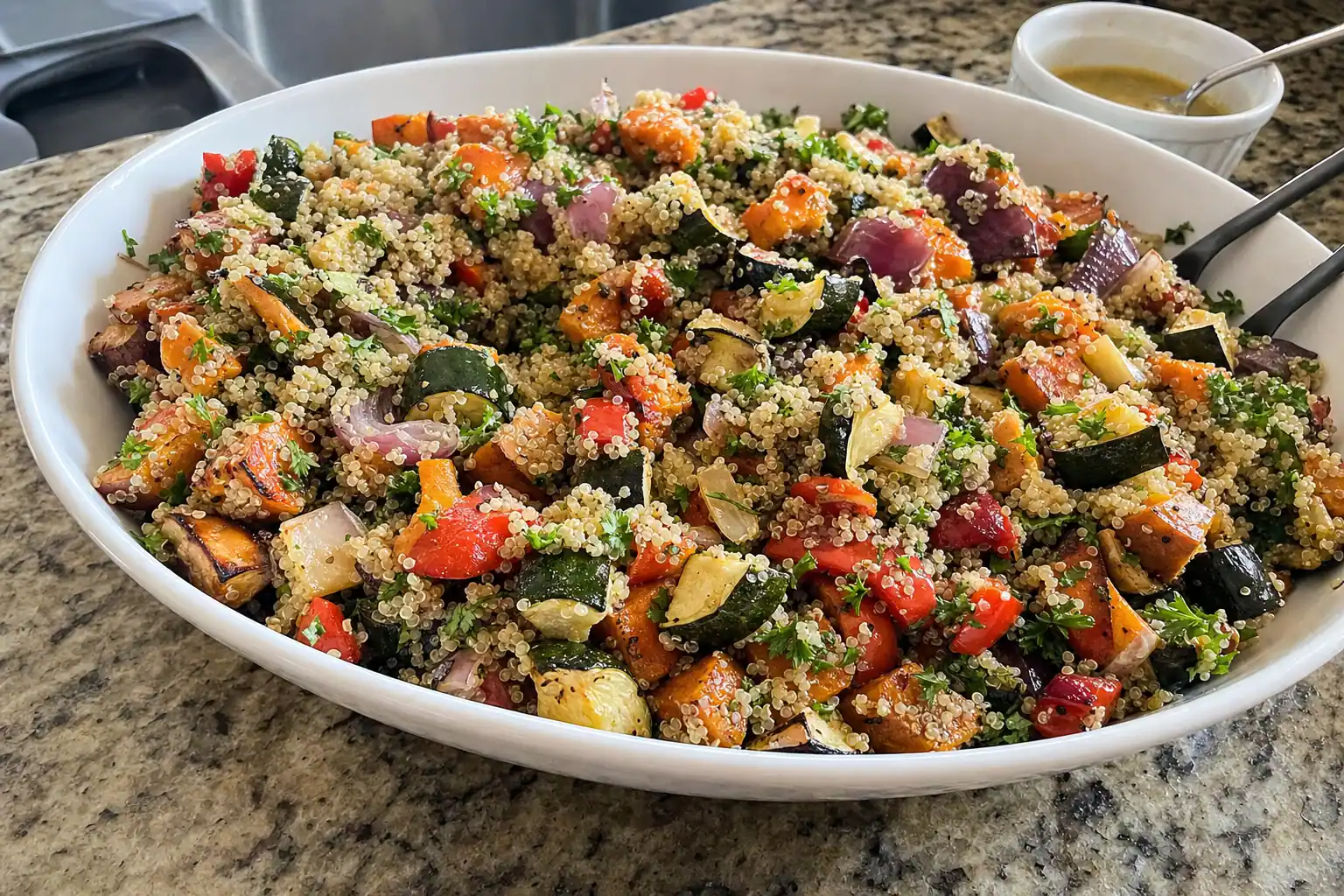
Quinoa and Roasted Vegetable Salad
A hearty and healthy salad that’s perfect for lunch or a light dinner.
 Salads & sides
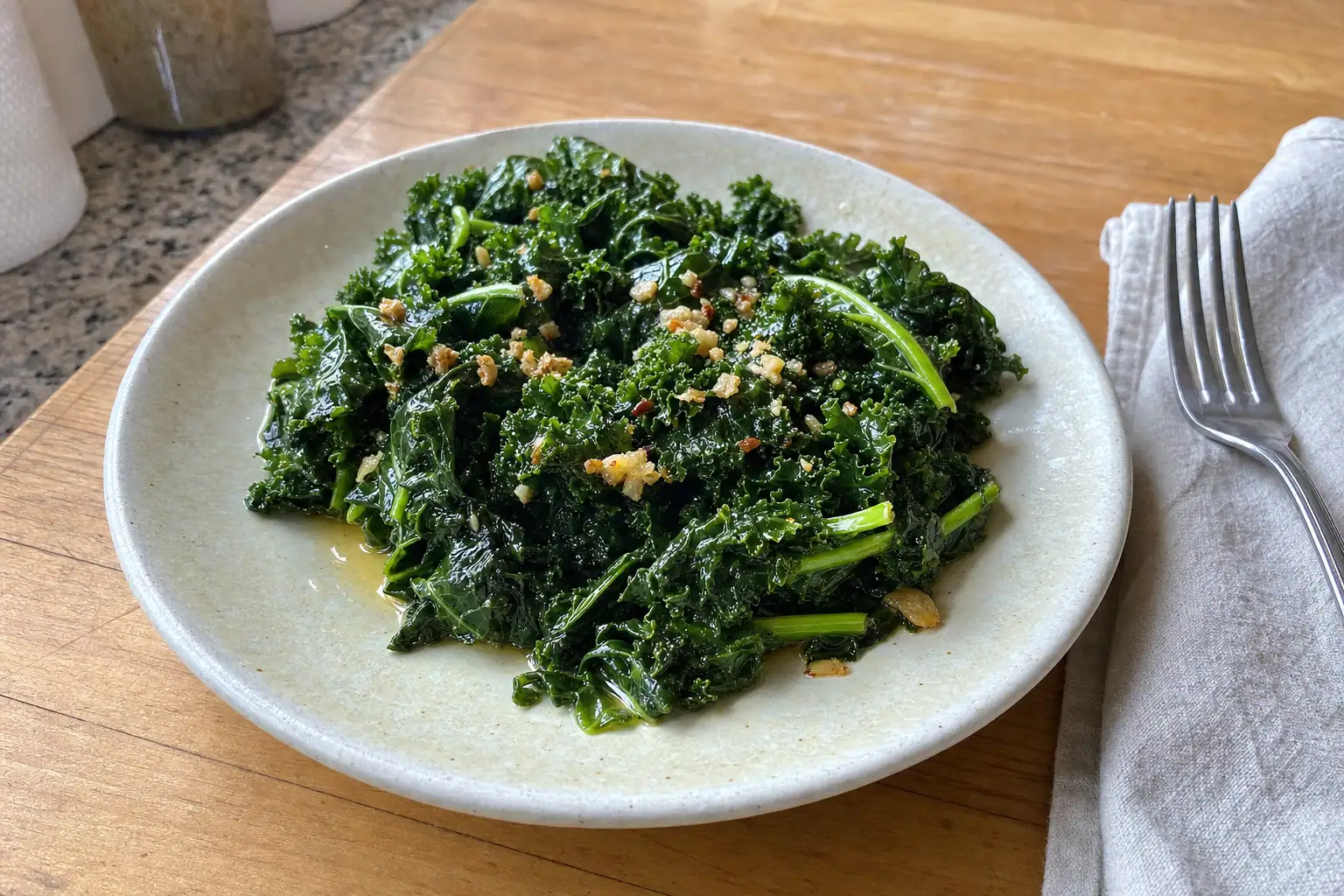
Garlic Kale
This simple garlic kale is tender, bright, and ready in about 20 minutes. It is a useful side dish for weeknights, grain bowls, eggs, pasta, or roasted chicken.
 Salads & sides
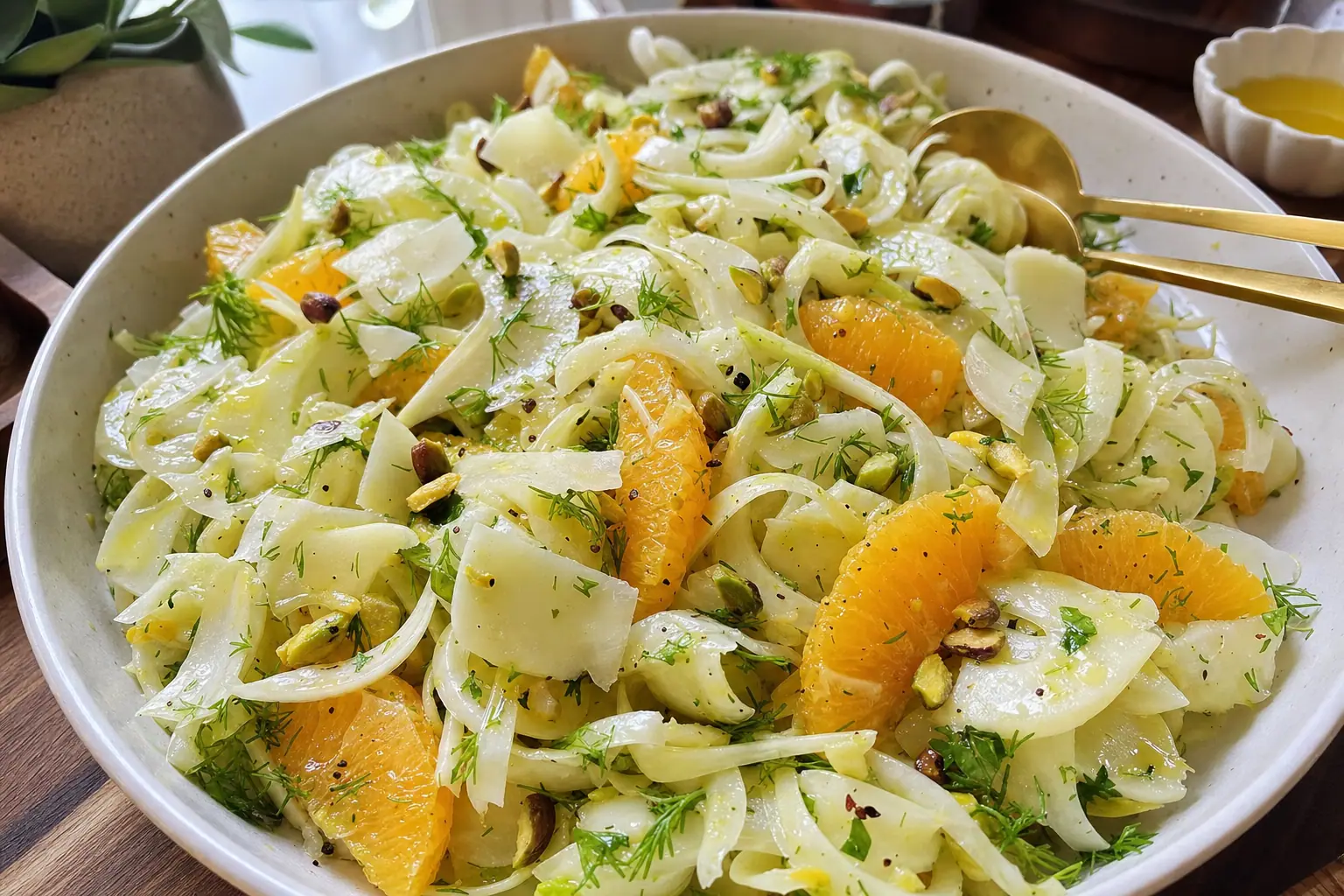
Crisp Fennel Salad with Orange and Lemon Dressing
This fresh fennel salad is crunchy, juicy, and bright, with sweet orange slices, salty Parmesan, and a simple lemon-olive oil dressing. It is a good side for fish, chicken, pasta, or any meal that needs something crisp.
 Salads & sides
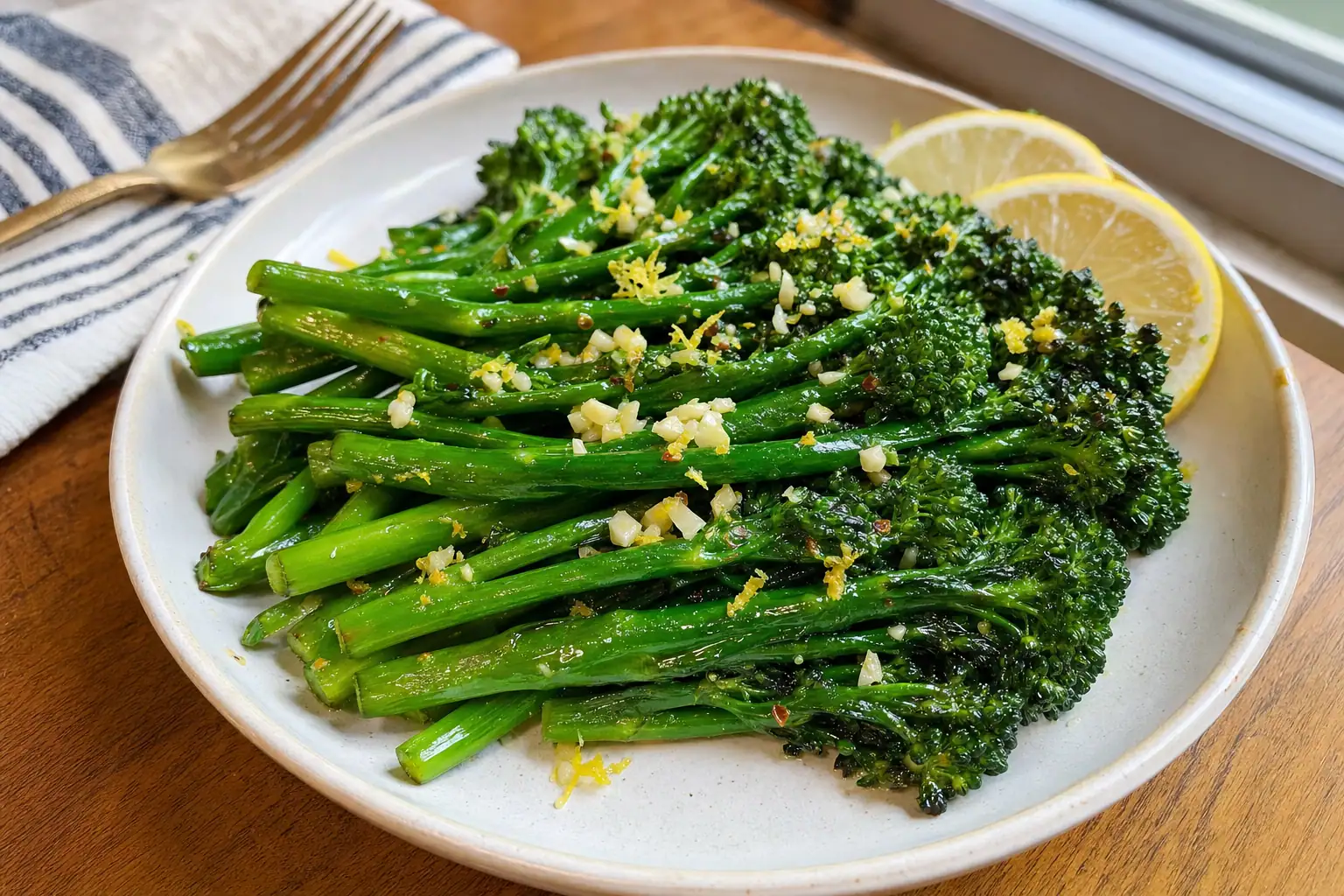
Garlic Lemon Broccolini
This simple broccolini side dish cooks quickly in one pan, with crisp-tender stems, lightly browned tips, garlic, and a squeeze of lemon. It is easy enough for a weeknight and bright enough for a holiday table.