
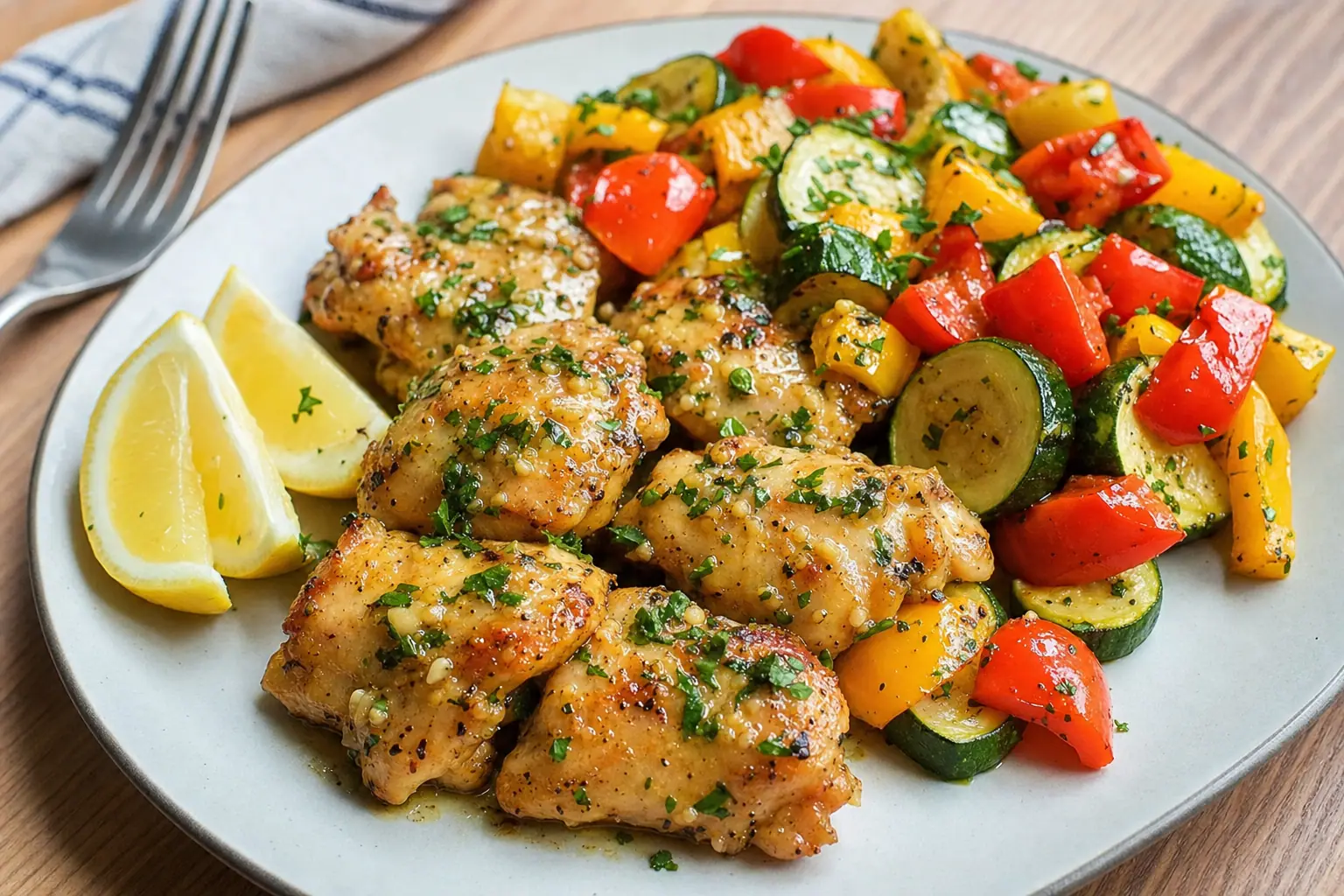
Lemon Garlic Chicken
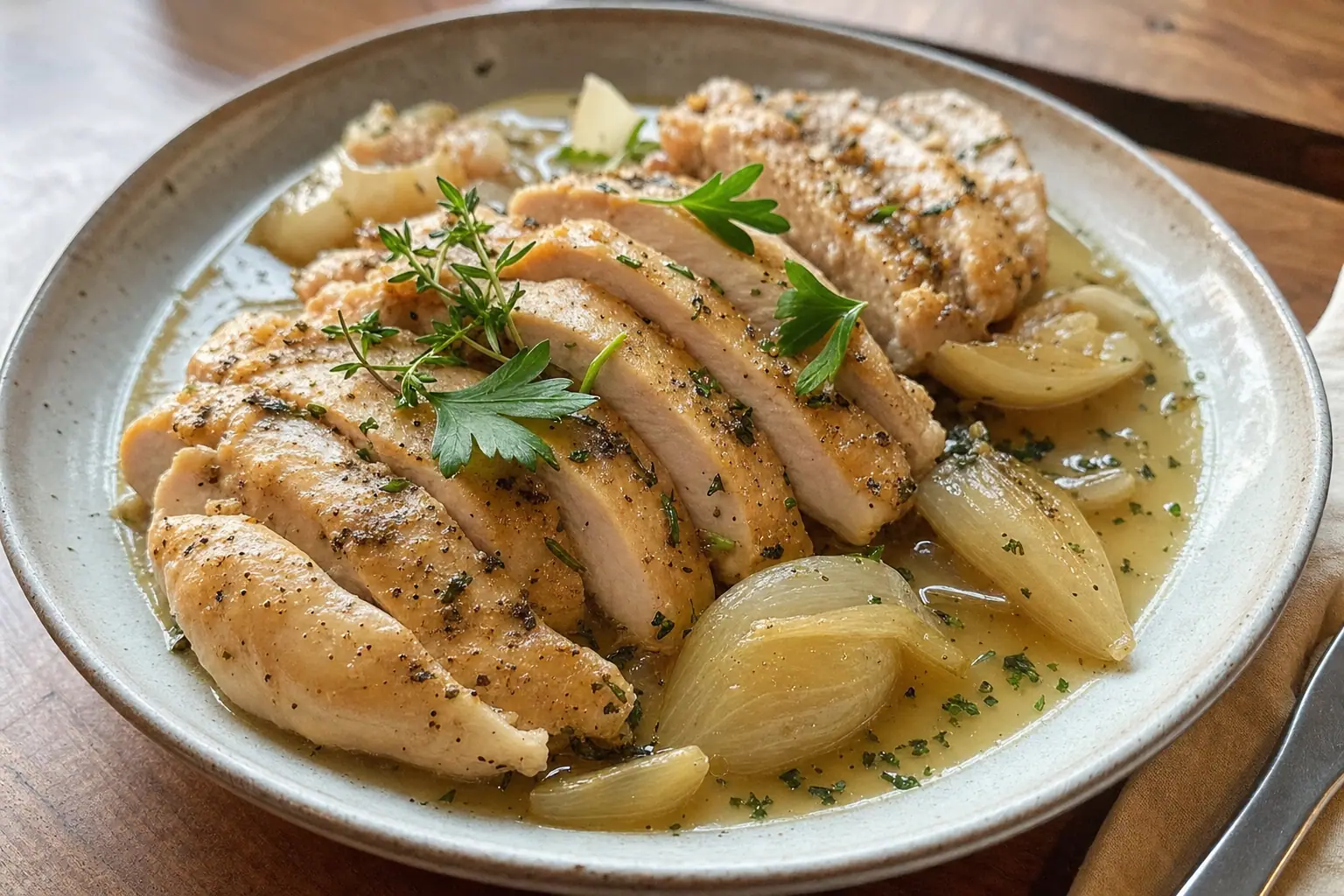
This stovetop lemon garlic chicken is bright, savory, and weeknight-friendly. A quick pan sauce made with fresh lemon, garlic, broth, and a little butter keeps the chicken juicy without making the dish heavy.
- Total time
- 35 min
- Yield
- 4 servings
- Difficulty
- Easy
Prep 15mCook 20mAmericanMain Course
Lemon garlic chicken is the kind of dinner that feels fresh but does not ask much from you. Boneless chicken breasts cook quickly, and the sauce comes together in the same pan, picking up all the browned bits left behind from searing.
The trick is to pound the chicken to an even thickness. That simply means flattening the thicker parts so each piece cooks at the same speed. A light dusting of flour helps the chicken brown and gives the lemony sauce a little body.
Serve it with rice, pasta, roasted potatoes, or a green salad. The sauce is sharp, garlicky, and just rich enough to spoon over everything on the plate.
01What you'll need
Ingredients
13 items · 4 servings
- 4 boneless, skinless chicken breasts, about 1 1/2 pounds total
- 3/4 teaspoon fine sea salt
- 1/2 teaspoon freshly ground black pepper
- 1/2 teaspoon dried oregano
- 2 tablespoons all-purpose flour
- 2 tablespoons olive oil
- 1 tablespoon unsalted butter
- 5 garlic cloves, minced
- 1/2 cup low-sodium chicken broth
- 1/4 cup fresh lemon juice
- 2 teaspoons finely grated lemon zest
- 1 teaspoon honey
- 2 tablespoons chopped fresh parsley
02How to make it
Step-by-step
1. Flatten the chicken
Pat the chicken dry with paper towels. Place each breast between two pieces of parchment paper or plastic wrap, then pound with a rolling pin or meat mallet until about 1/2 inch thick. This helps the chicken cook evenly and stay tender.
2. Season and flour it
Season both sides of the chicken with the salt, pepper, and dried oregano. Sprinkle the flour over both sides and rub it into a thin, even coating. Shake off any loose flour so it does not burn in the pan.
3. Heat the skillet
Warm the olive oil in a large skillet over medium-high heat. When the oil looks shiny and moves easily across the pan, it is ready. Add the chicken in a single layer; cook in batches if your skillet is crowded.
4. Sear the chicken
Cook the chicken for 4 to 5 minutes on the first side, without moving it too much, until golden brown. Flip and cook for 3 to 5 minutes more, until the thickest part reaches 160°F to 165°F. Transfer the chicken to a plate. It will finish gently in the sauce.
5. Soften the garlic
Lower the heat to medium. Add the butter to the same skillet. When it melts, add the minced garlic and cook for 30 to 60 seconds, stirring often. Stop when the garlic smells fragrant; do not let it turn dark brown, or it can taste bitter.
6. Make the lemon sauce
Pour in the chicken broth and use a wooden spoon to scrape up the browned bits from the bottom of the pan. Stir in the lemon juice, lemon zest, and honey. Simmer for 2 to 3 minutes, until the sauce reduces slightly.
7. Finish in the pan
Return the chicken and any juices from the plate to the skillet. Spoon the sauce over the chicken and simmer for 2 to 3 minutes, until the chicken is hot and reaches 165°F in the thickest part.
8. Add parsley and serve
Sprinkle with chopped parsley. Taste the sauce and adjust with a small pinch of salt only if needed. Serve the chicken warm with the pan sauce spooned over the top.
03From our kitchen
Cook's tips
- Make-ahead: You can pound and season the chicken up to 1 day ahead. Keep it covered in the refrigerator. Wait to add the flour until just before cooking so it does not get gummy.
- Storage: Refrigerate leftovers in an airtight container for 3 to 4 days. Reheat gently in a covered skillet over low heat with a splash of broth or water to loosen the sauce.
- Freezing: Cooked lemon garlic chicken can be frozen for up to 2 months. The sauce may look slightly separated after thawing, but it will come back together as it warms and you stir it.
- Chicken swap: Boneless, skinless chicken thighs work well. They may need a few extra minutes in the pan and should also reach 165°F.
- Gluten-free swap: Use a 1-to-1 gluten-free flour blend or 1 tablespoon cornstarch instead of all-purpose flour. Cornstarch browns faster, so keep the heat moderate.
- If the sauce tastes too sharp: Stir in another teaspoon of honey or a small pat of butter. Lemon acidity varies, so a tiny adjustment can make the sauce smoother.
Cook's note
Nutrition is an estimate based on USDA standard values for the listed ingredients, divided into 4 servings. It assumes all of the flour, oil, and sauce are consumed. For the most even cooking, use chicken breasts close to 6 ounces each, or cut very large breasts horizontally into thinner cutlets.
04Frequently asked
Questions & answers
Can I use bottled lemon juice?
Fresh lemon juice is strongly recommended because the flavor is cleaner and less harsh. Bottled lemon juice will work in a pinch, but start with 3 tablespoons and add more only if the sauce needs it.
How do I know when the chicken is done?
Use an instant-read thermometer. Insert it into the thickest part of the chicken. It should read 165°F. If you do not have a thermometer, cut into the thickest piece; the juices should run clear and the meat should be opaque, not pink.
Why did my garlic taste bitter?
Garlic can turn bitter if it burns. After searing the chicken, lower the heat before adding the butter and garlic. Cook the garlic only until fragrant, usually less than 1 minute.
Can I make this with chicken tenders?
Yes. Chicken tenders cook faster, usually 2 to 3 minutes per side depending on size. Watch them closely and remove them as soon as they reach 165°F.
What should I serve with lemon garlic chicken?
It goes well with rice, orzo, mashed potatoes, roasted vegetables, steamed green beans, or a simple salad. Anything that can catch the lemon sauce is a good choice.
05Per serving
Nutrition facts
Nutrition Facts
4 servings
Amount per serving
% Daily Value*
- Total Fat14 g
- 18%
- Saturated Fat4 g
- 20%
- Cholesterol132 mg
- 44%
- Sodium533 mg
- 23%
- Total Carbohydrate7 g
- 3%
- Dietary Fiber1 g
- 4%
- Total Sugars2 g
- Protein39 g
- 78%
- Vitamin D0.2 mcg
- 1%
- Calcium26 mg
- 2%
- Iron1.1 mg
- 6%
- Potassium634 mg
- 13%
* Percent Daily Values are based on a 2,000-calorie diet.
05Keep cooking
You might also like
 Main Course
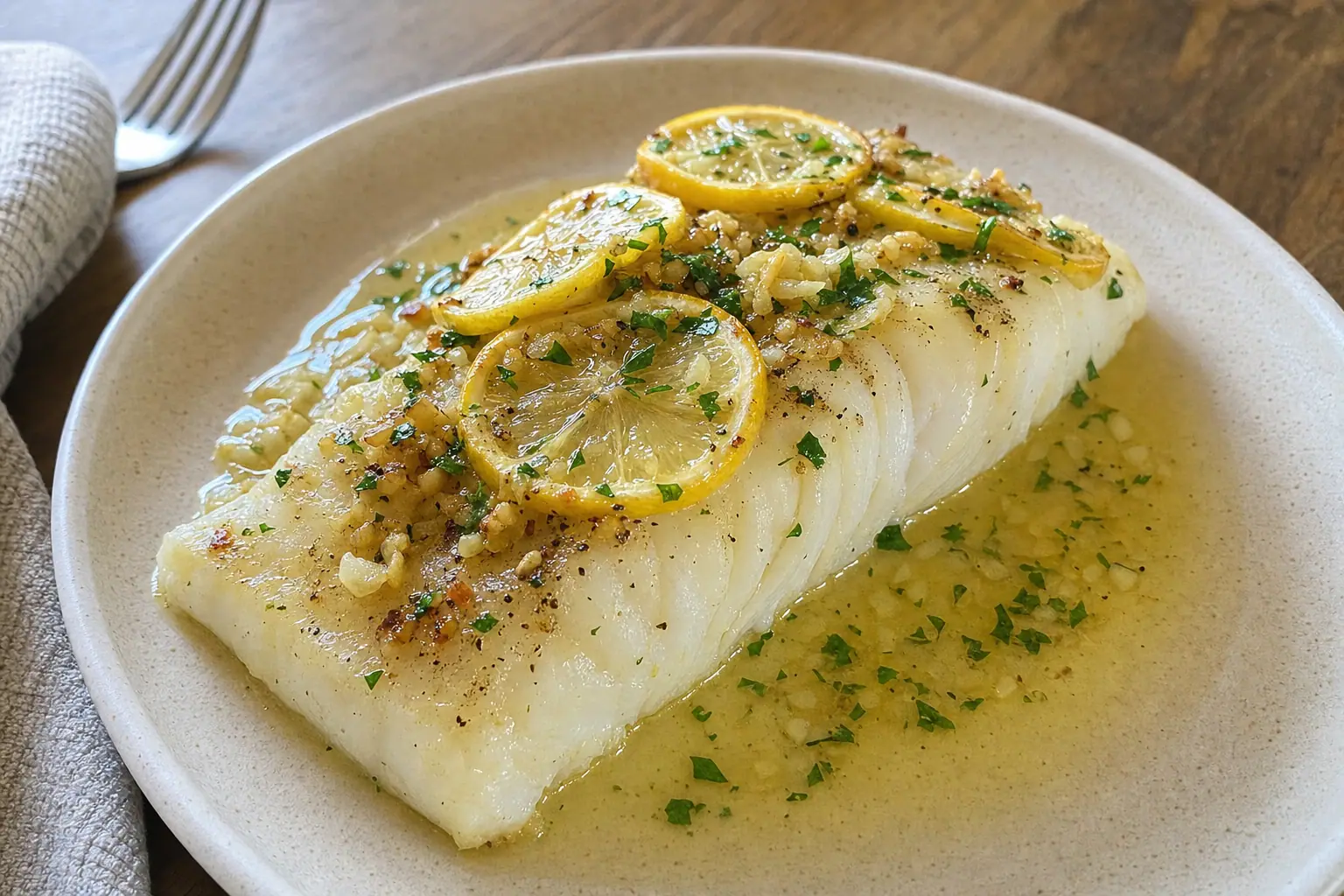
Simple Baked Cod with Lemon and Garlic
This easy baked cod is tender, flaky, and bright with lemon, garlic, and a little butter. It is a quick weeknight dinner that feels fresh without asking much of the cook.
 Main Course
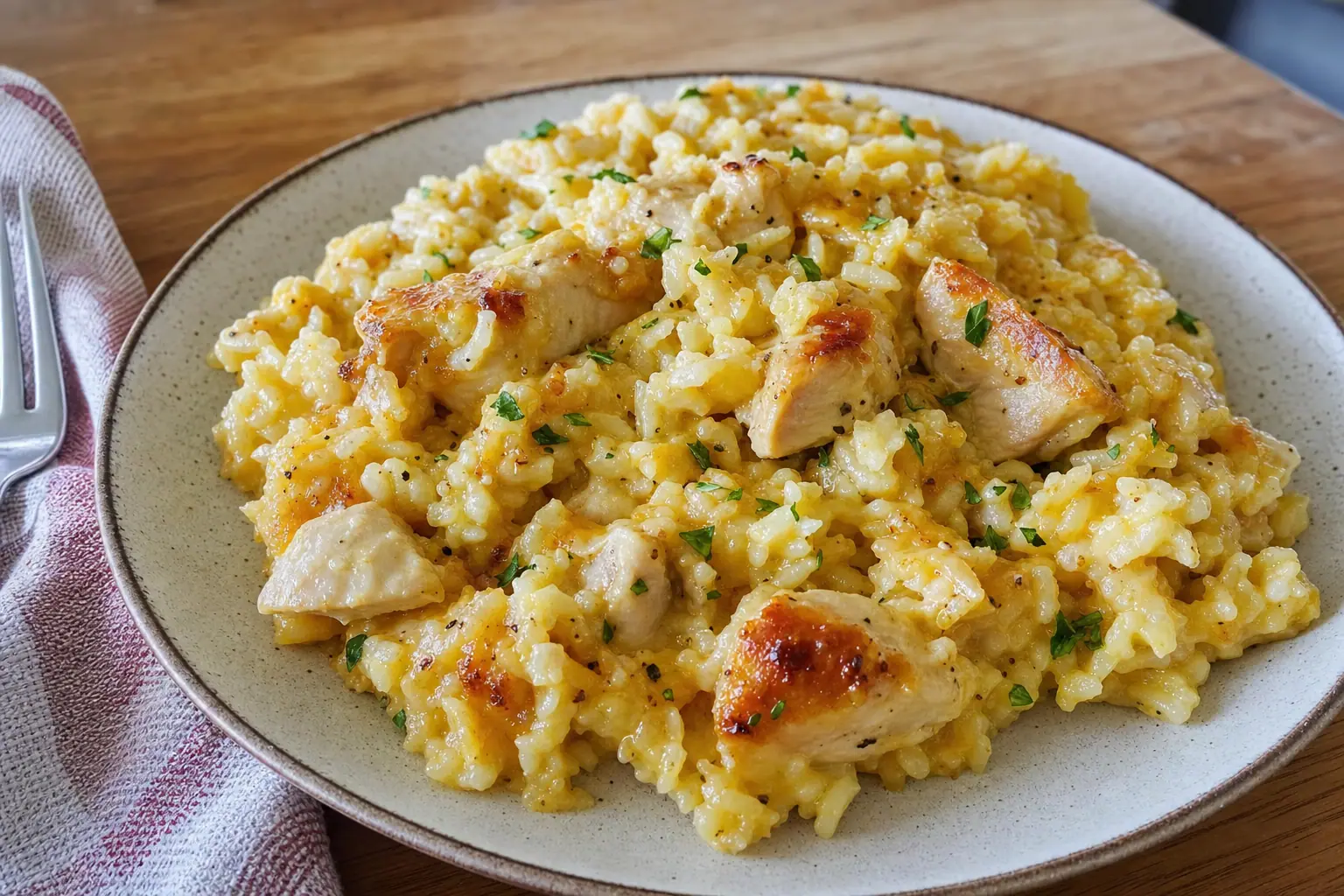
Chicken and Rice Casserole
This cozy chicken and rice casserole bakes in one dish with tender chicken, creamy rice, and a crisp, buttery topping. It is the kind of dinner that feels familiar, fills the table, and leaves you with very little to do.
 Main Course
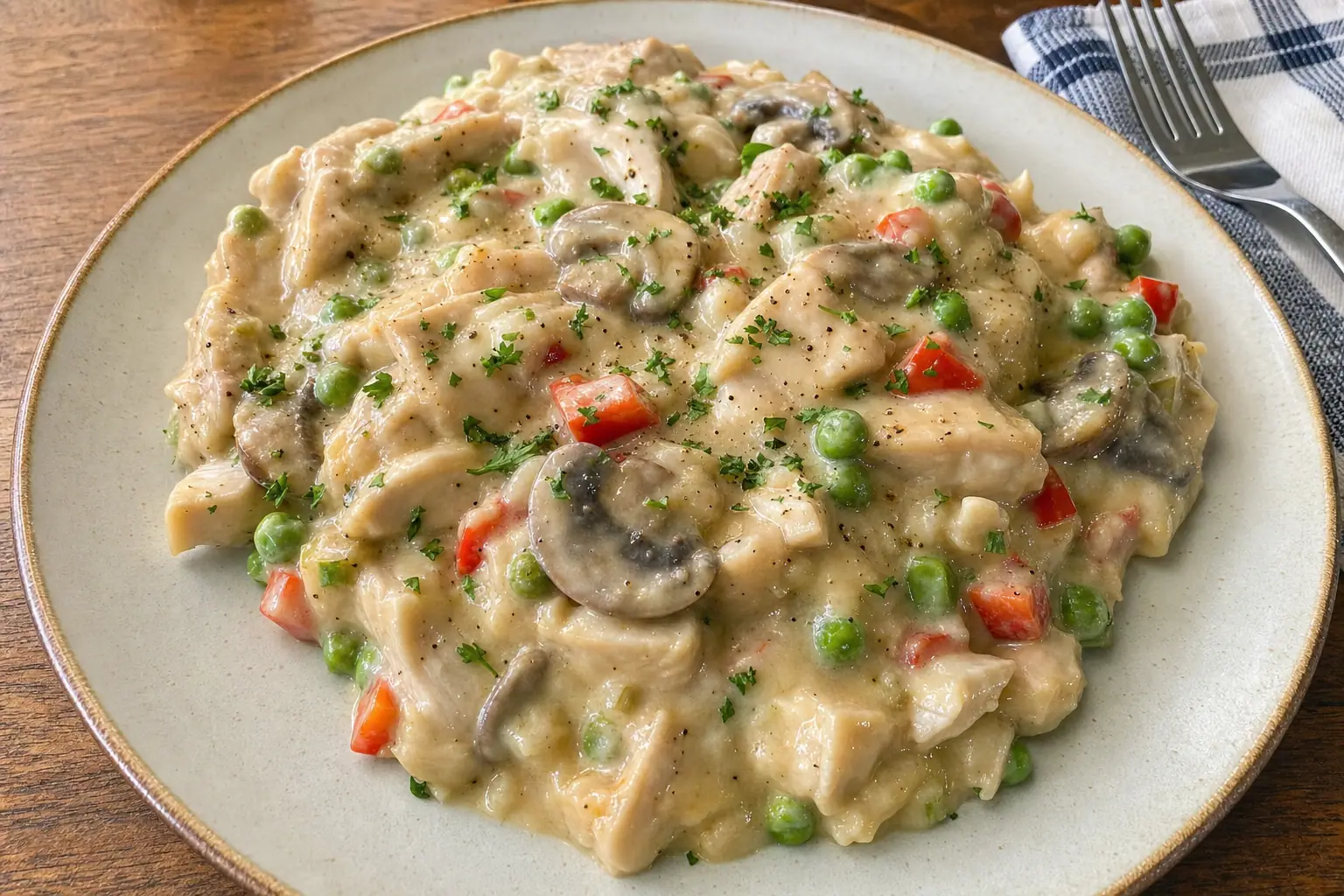
Chicken Ala King
Tender chicken, mushrooms, peas, and pimentos in a creamy sauce make this old-school comfort dish feel right at home on a weeknight. Serve it over toast, biscuits, rice, or puff pastry shells.
 Main Course
Simple Brined Roast Chicken
A saltwater brine helps chicken stay juicy and well seasoned from the inside out. This easy method works for a whole chicken and gives you crisp skin when you dry it well before roasting.