
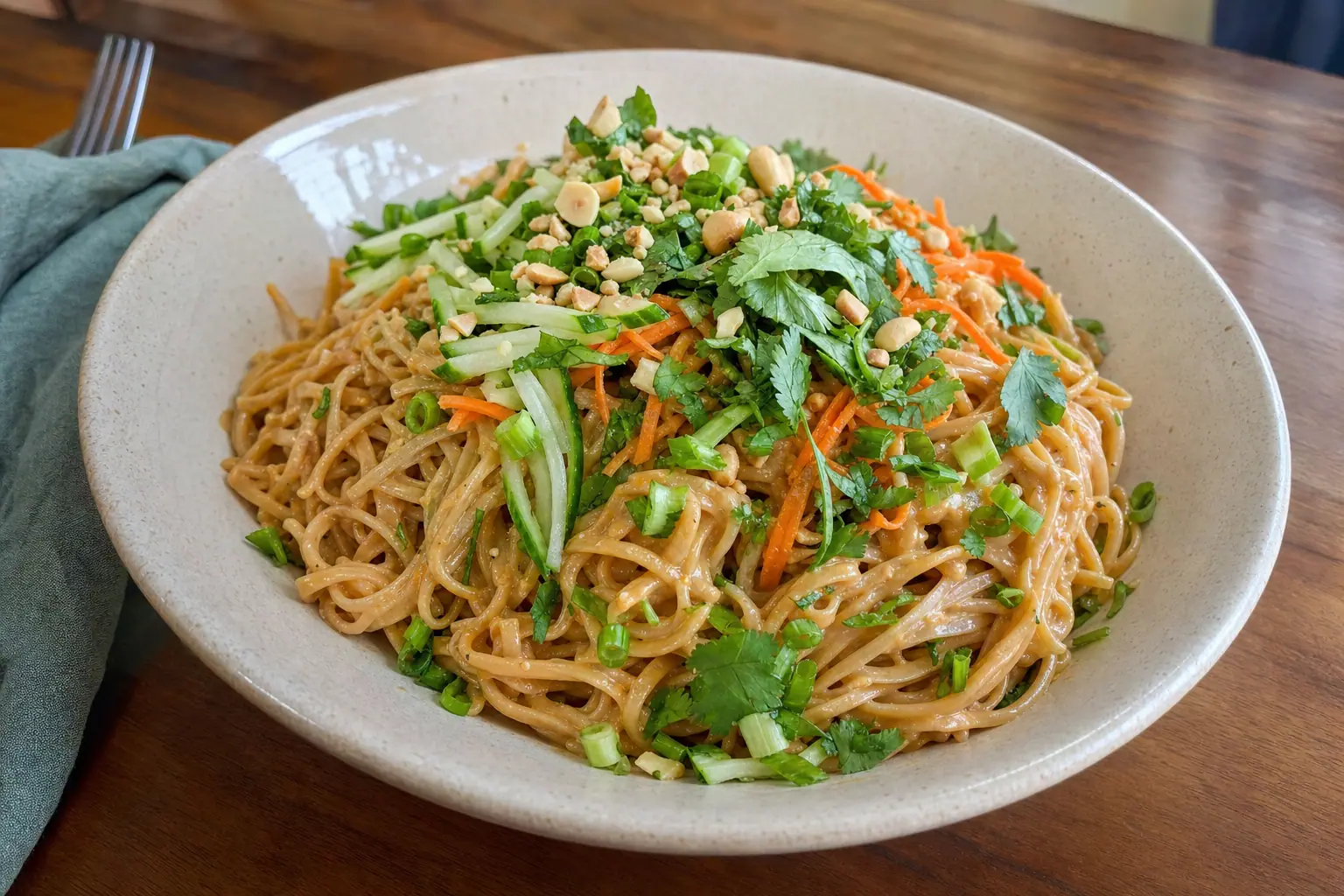
Peanut Sauce Noodles with Crunchy Vegetables
These peanut sauce noodles are creamy, savory, and flexible enough for a quick weeknight dinner or a make-ahead lunch. A simple peanut dressing coats warm noodles, crisp vegetables, and chopped peanuts for crunch.
- Total time
- 25 min
- Yield
- 4 servings
- Difficulty
- Easy
Prep 15mCook 10mAsian-inspiredPasta Recipes
Peanut sauce noodles are the kind of meal that works hot, warm, or cold. The sauce comes together in a bowl with peanut butter, soy sauce, rice vinegar, lime, ginger, and garlic, then loosens into a glossy dressing with warm water.
This version uses spaghetti because it is easy to find, but wheat noodles, soba, or rice noodles also work. Shredded cabbage, carrot, bell pepper, scallions, and peanuts add color and crunch without much extra cooking.
The key is to save a little noodle cooking water before draining. Its starch helps the peanut sauce cling to the noodles instead of sitting at the bottom of the bowl.
01What you'll need
Ingredients
17 items · 4 servings
- 12 ounces dried spaghetti or wheat noodles
- 1/2 cup creamy natural peanut butter, well stirred
- 3 tablespoons low-sodium soy sauce
- 2 tablespoons rice vinegar
- 1 tablespoon toasted sesame oil
- 1 tablespoon maple syrup
- 1 tablespoon fresh lime juice
- 2 teaspoons grated fresh ginger
- 1 garlic clove, finely grated or minced
- 1 teaspoon sriracha or chili-garlic sauce, plus more to taste
- 1/3 cup warm water, plus more as needed
- 2 cups shredded red cabbage
- 1 large carrot, cut into thin matchsticks or shredded
- 1 red bell pepper, thinly sliced
- 2 scallions, thinly sliced
- 1/4 cup chopped roasted peanuts
- 1/4 cup fresh cilantro leaves, optional
02How to make it
Step-by-step
1. Boil the noodles
Bring a large pot of water to a boil. Add the noodles and cook according to the package directions until tender but not mushy. Before draining, scoop out 1 cup of the cooking water and set it aside.
2. Make the peanut sauce
In a large mixing bowl, whisk together the peanut butter, soy sauce, rice vinegar, sesame oil, maple syrup, lime juice, ginger, garlic, sriracha, and 1/3 cup warm water. Whisk until smooth. If the sauce looks thick or grainy, add another tablespoon or two of warm water.
3. Drain and rinse briefly
Drain the noodles. For a warm dish, give them only a quick rinse to remove extra surface starch. For cold noodles, rinse under cool water until the noodles stop steaming, then drain very well.
4. Toss the noodles
Add the drained noodles to the bowl with the peanut sauce. Toss with tongs until the noodles are evenly coated. If the sauce feels too thick, add a splash of the reserved cooking water and toss again.
5. Add the vegetables
Add the cabbage, carrot, bell pepper, and scallions. Toss again until the vegetables are mixed through the noodles. Taste and adjust with more lime juice, soy sauce, or sriracha if you like.
6. Finish with crunch
Sprinkle the chopped peanuts and cilantro over the noodles. Toss lightly, or leave them on top for a little more texture when serving.
7. Serve warm or chilled
Serve right away while the noodles are warm, or chill for 30 minutes if you prefer a cold noodle salad. If the noodles firm up in the fridge, loosen them with a spoonful of warm water before serving.
03From our kitchen
Cook's tips
- Make-ahead: Whisk the peanut sauce up to 4 days ahead and store it in a covered jar in the refrigerator. It will thicken as it chills, so stir in warm water before using.
- Storage: Keep leftovers in an airtight container in the refrigerator for up to 4 days. The noodles absorb sauce over time, so refresh with a splash of water, lime juice, or soy sauce before eating.
- Noodle swaps: Spaghetti, linguine, Chinese wheat noodles, soba, or rice noodles all work. Cook each type according to its package directions because timing varies a lot.
- Gluten-free option: Use certified gluten-free rice noodles and replace soy sauce with gluten-free tamari.
- Nut-free swap: Use sunflower seed butter instead of peanut butter and top with toasted sunflower seeds. The flavor will be different but still creamy and savory.
- Protein add-ins: Add baked tofu, edamame, shredded chicken, or a jammy egg if you want a more filling meal. Keep in mind that this will change the nutrition.
Cook's note
Natural peanut butter varies by brand. If yours is very thick, the sauce may need extra warm water. Add it slowly, 1 tablespoon at a time, so the sauce stays creamy rather than watery.
04Frequently asked
Questions & answers
Can I eat peanut sauce noodles cold?
Yes. These noodles are good warm, room temperature, or cold. For a cold version, rinse the cooked noodles under cool water and drain them well before tossing with the sauce.
Why did my peanut sauce get too thick?
Peanut butter thickens when mixed with salty and acidic ingredients, and noodles also soak up sauce as they sit. Whisk in warm water a little at a time until the sauce turns smooth and pourable again.
Can I make this recipe without sesame oil?
Yes. Sesame oil adds a toasty flavor, but the recipe still works without it. You can replace it with a neutral oil, such as canola or avocado oil, or simply leave it out for a lighter sauce.
What vegetables work besides cabbage and bell pepper?
Try cucumber, snap peas, broccoli slaw, bean sprouts, steamed broccoli, or thinly sliced zucchini. Crisp vegetables are especially nice because they balance the creamy sauce.
How spicy are these noodles?
With 1 teaspoon of sriracha, they are mild to medium. Use less for a gentle heat, or add more sriracha, chili crisp, or red pepper flakes at the table.
05Per serving
Nutrition facts
Nutrition Facts
4 servings
Amount per serving
% Daily Value*
- Total Fat26 g
- 33%
- Saturated Fat5 g
- 25%
- Cholesterol0 mg
- 0%
- Sodium628 mg
- 27%
- Total Carbohydrate84 g
- 31%
- Dietary Fiber8 g
- 29%
- Total Sugars13 g
- Protein23 g
- 46%
- Vitamin D0 mcg
- 0%
- Calcium78 mg
- 6%
- Iron4.3 mg
- 24%
- Potassium728 mg
- 15%
* Percent Daily Values are based on a 2,000-calorie diet.
05Keep cooking
You might also like
 Pasta Recipes
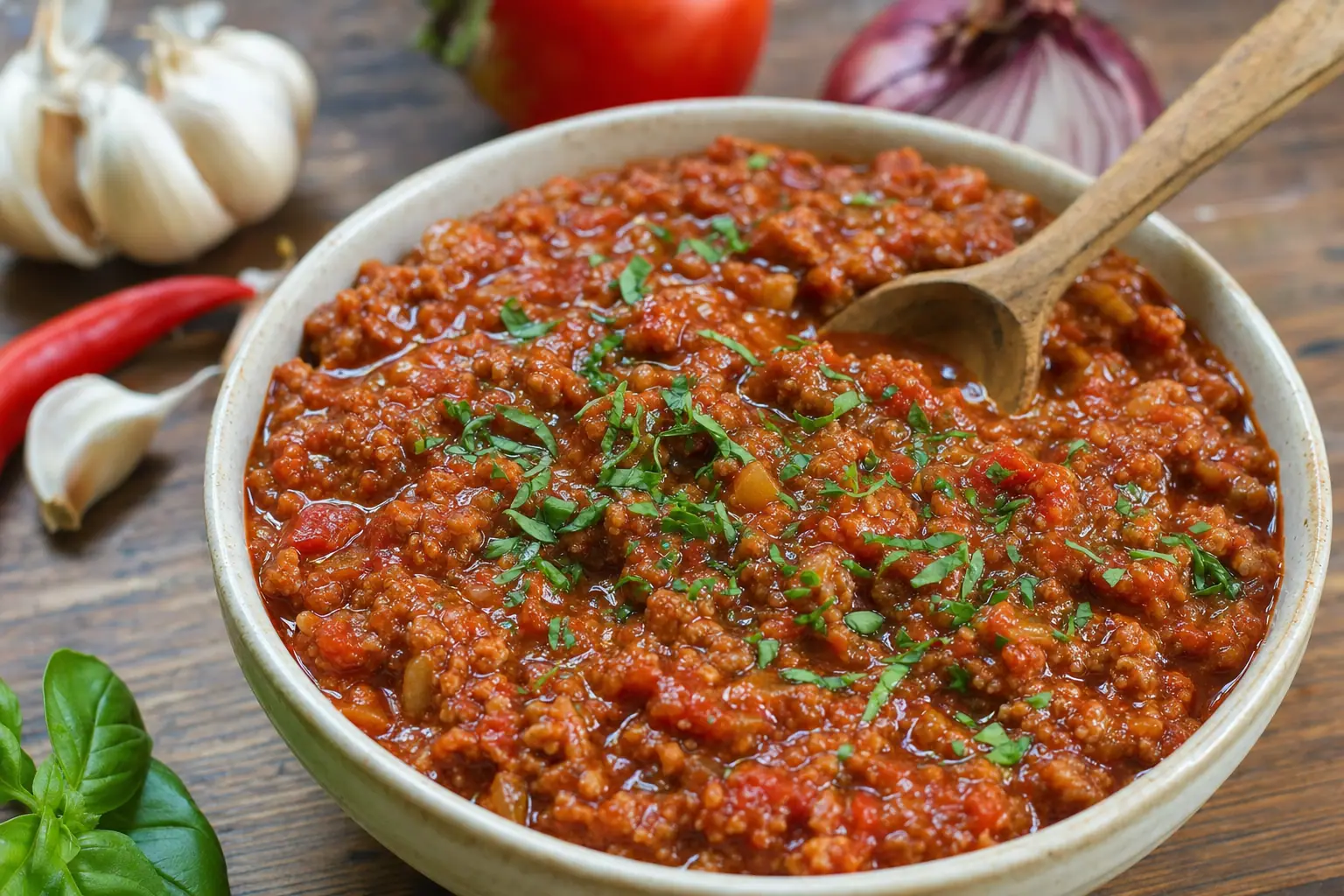
Classic Meat Sauce
This cozy meat sauce is rich with ground beef, tomatoes, garlic, and a small splash of milk for a mellow finish. Simmer it slowly, then spoon it over pasta, polenta, baked potatoes, or roasted vegetables.
 Pasta Recipes
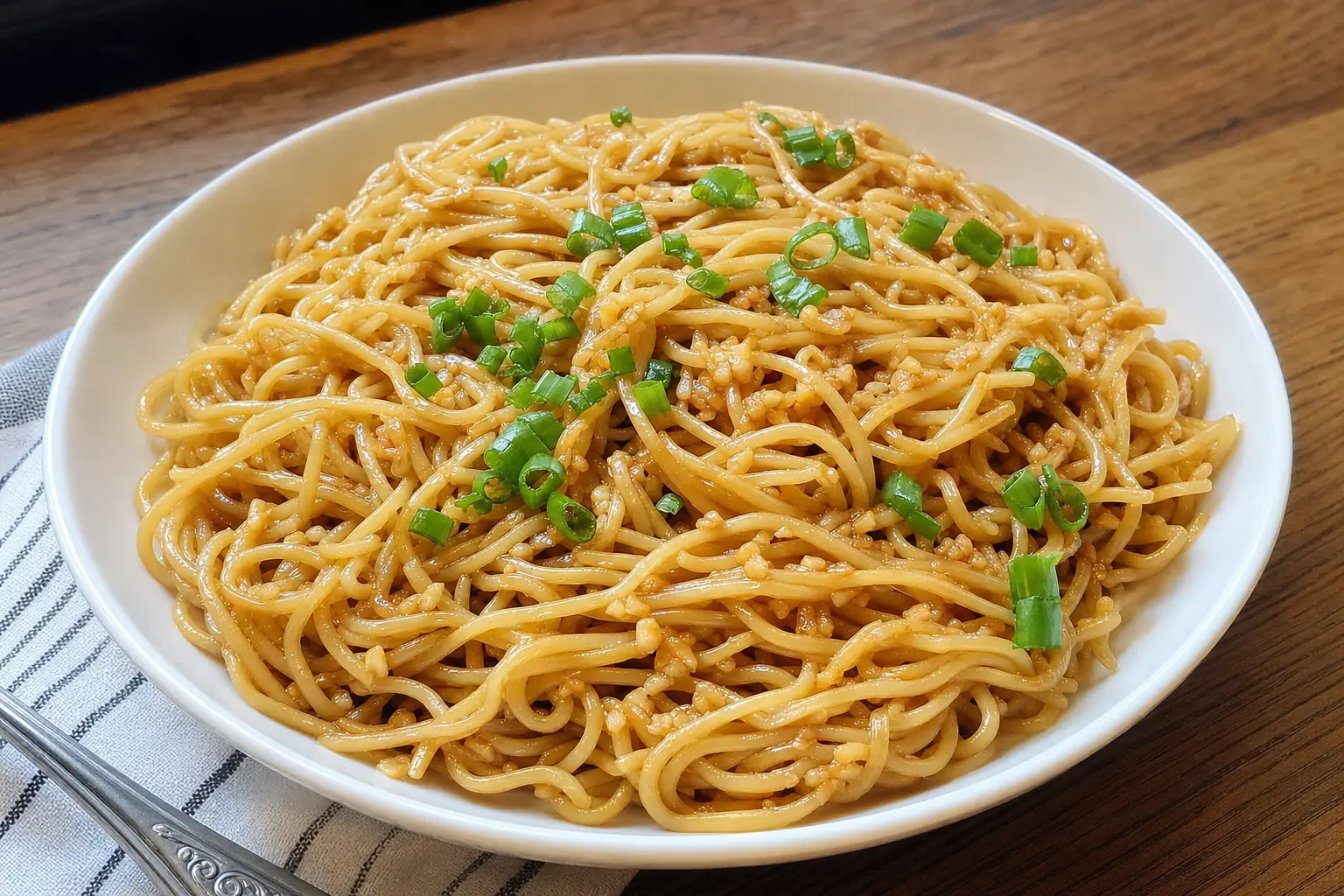
Garlic Noodles
These glossy garlic noodles are quick, savory, and full of buttery garlic flavor. A short list of pantry sauces turns plain spaghetti into a flexible weeknight pasta that works as a main dish or a side.
 Pasta Recipes
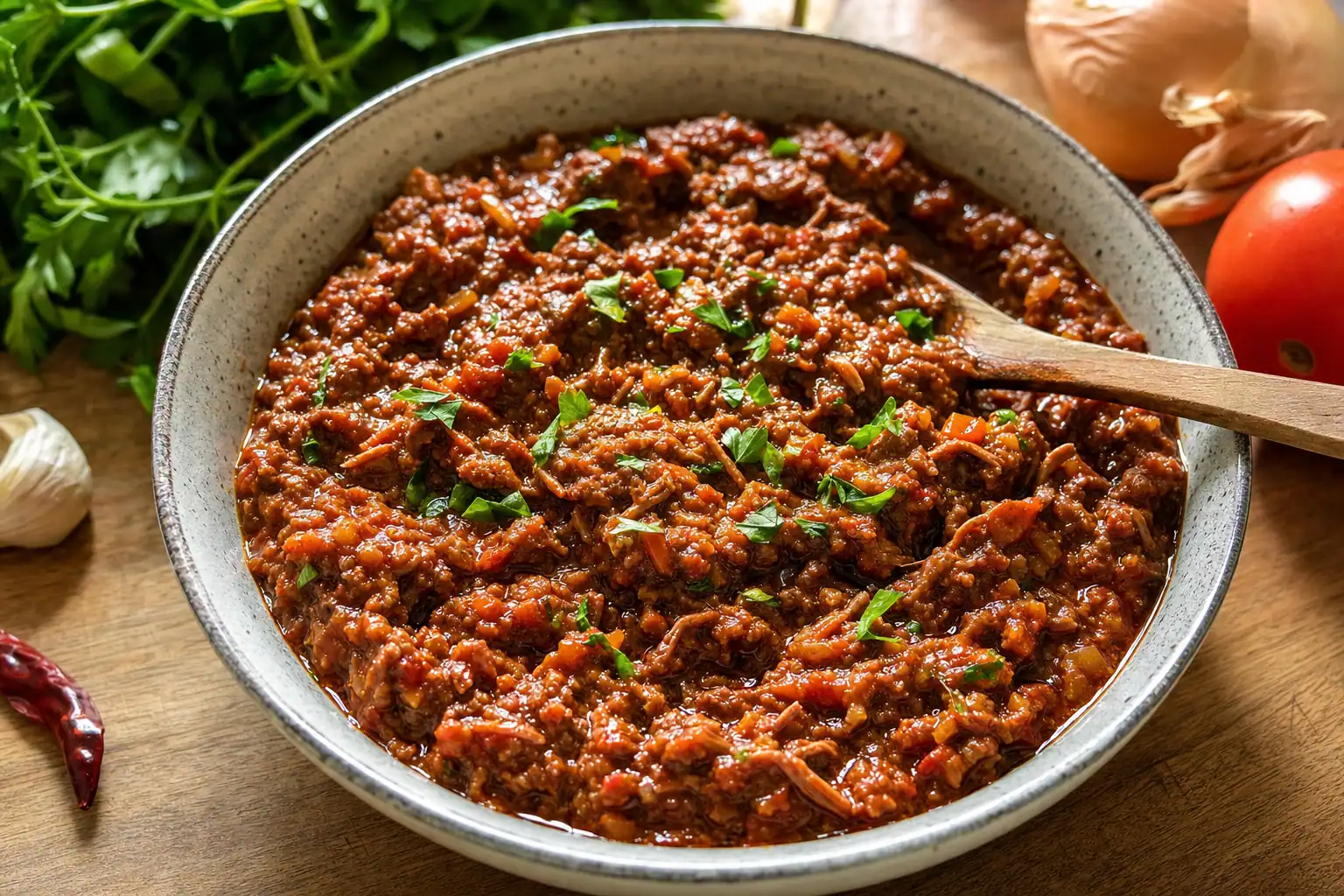
Slow-Simmered Beef Ragu with Pappardelle
This beef ragu turns chuck roast, tomatoes, wine, and a simple mix of onion, carrot, and celery into a rich pasta sauce. It takes time on the stove, but most of that time is hands-off simmering.
 Pasta Recipes
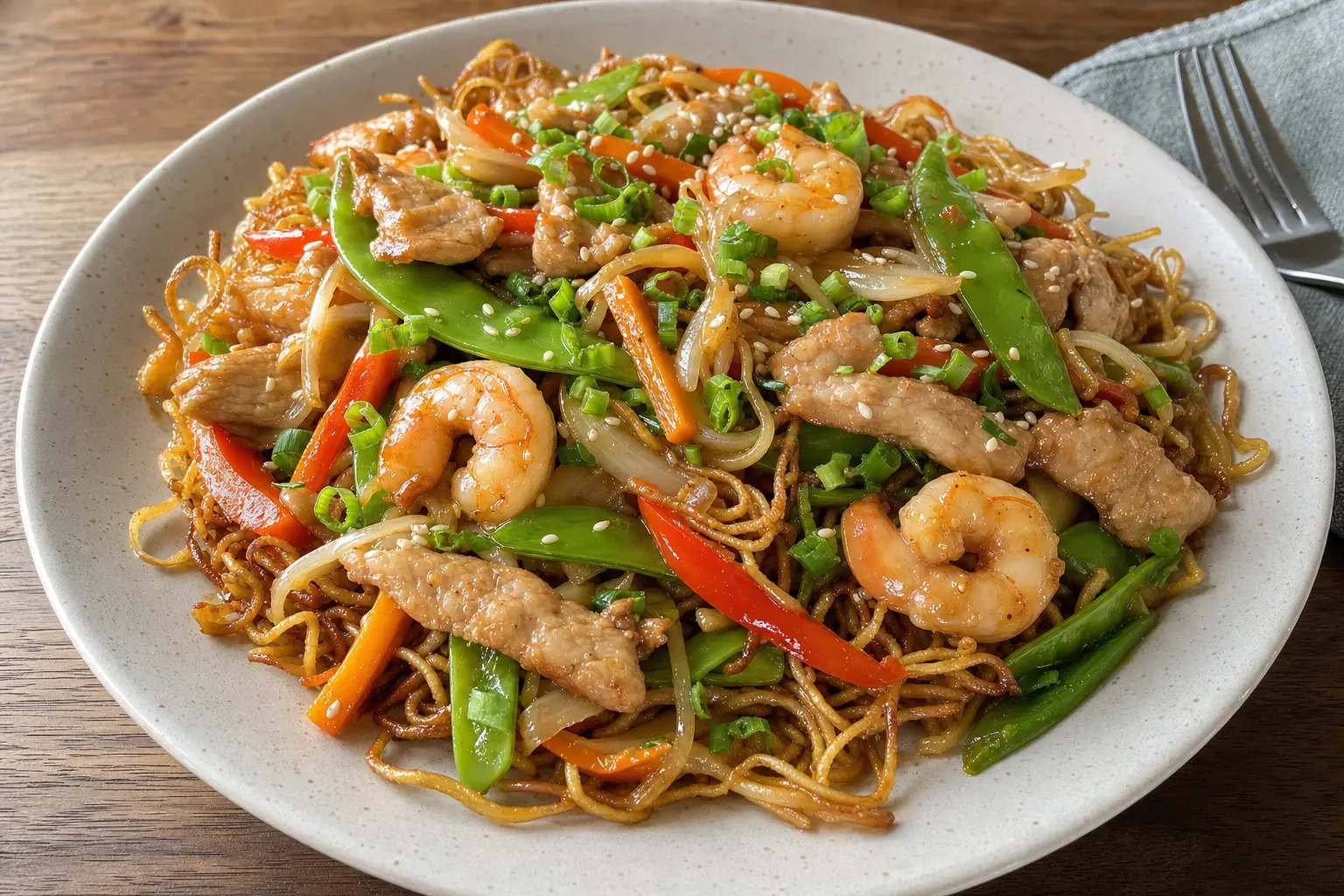
Cantonese Pan Fried Noodles
Cantonese pan fried noodles are all about contrast: a crisp noodle cake on the bottom, glossy sauce and tender stir-fried toppings on top. This version uses chicken, shrimp, bok choy, mushrooms, and a savory oyster-soy “