
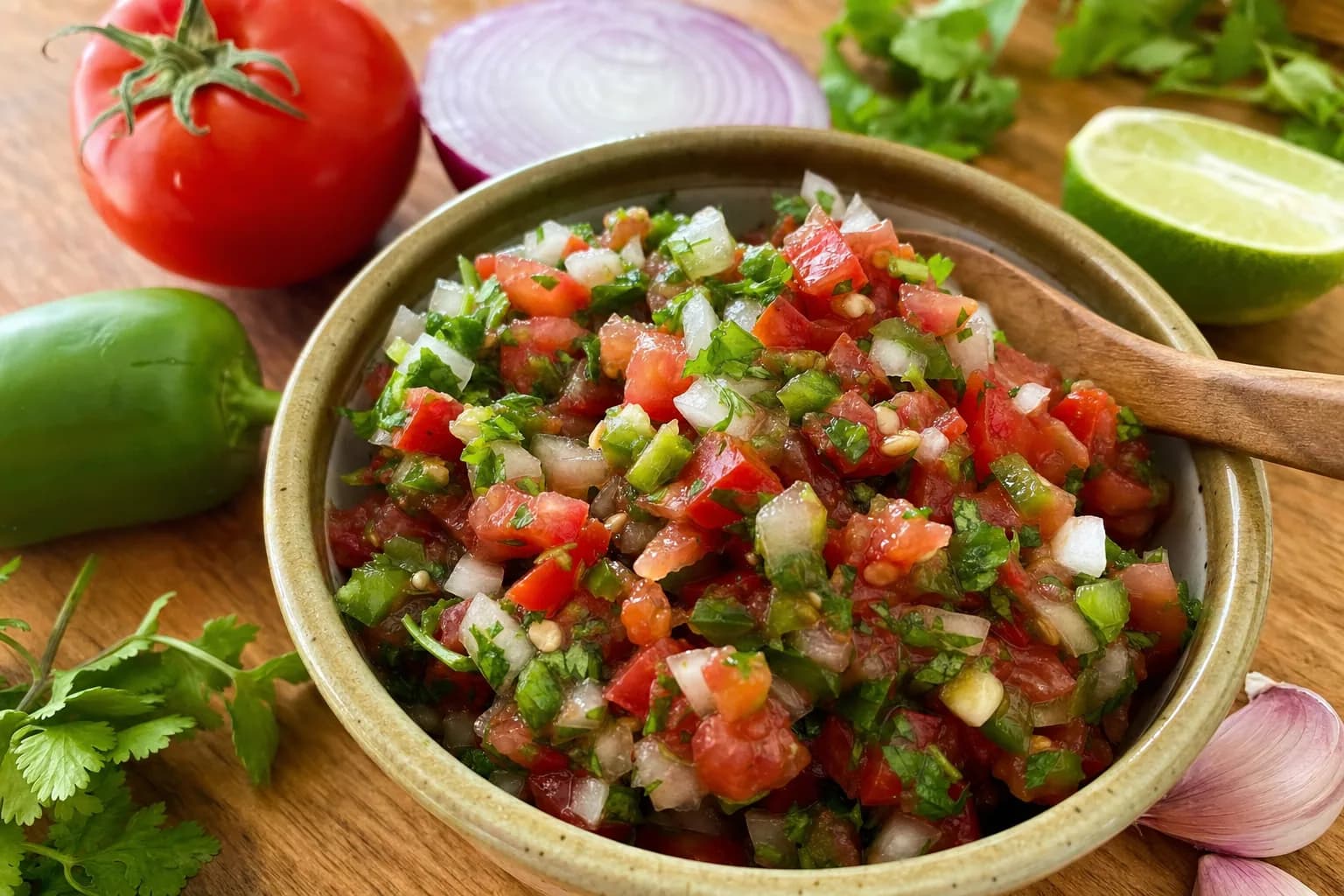
Picante (Fresh Chile Salsa)
Picante is a bright, spicy tomato-chile salsa you can spoon over tacos, eggs, beans, grilled vegetables, or chips. This version uses a hot skillet to lightly char the vegetables, then blends them into a smooth, pourable,
- Total time
- 22 min
- Yield
- 12 servings (about 2 tablespoons each);
- Difficulty
- Easy
Prep 10mCook 12mMexicanAppetizers
Picante simply means “spicy” in Spanish, and in many kitchens it points to a smooth salsa made with tomatoes, chiles, onion, garlic, lime, and salt. It is thinner than chunky pico de gallo, which makes it easy to pour or drizzle.
This homemade picante has a fresh tomato flavor with a little smoky depth from charring the vegetables in a dry skillet. Charring means cooking the outside until it gets dark spots, not burning it all the way through.
Use serrano chiles for a clear, lively heat, or swap in jalapeños if you want it milder. The whole batch comes together in about 20 minutes and tastes even better after a short rest.
01What you'll need
Ingredients
7 items · 12 servings (about 2 tablespoons each);
- 4 medium Roma tomatoes, about 240 g, rinsed and halved lengthwise
- 2 serrano chiles, about 24 g, stems removed
- 1/4 medium white onion, about 28 g
- 1 small garlic clove, about 3 g, peeled
- 1/2 cup loosely packed fresh cilantro leaves and tender stems, about 8 g
- 2 tablespoons fresh lime juice
- 1/2 teaspoon fine sea salt
02How to make it
Step-by-step
1. Heat the skillet
Place a medium cast-iron or heavy skillet over medium-high heat for 2 minutes. Do not add oil. A dry, hot pan helps the tomatoes and chiles blister and develop dark spots.
2. Char the tomatoes and chiles
Add the tomato halves, cut side down, and the serrano chiles. Cook for 5 to 7 minutes, turning the chiles often and turning the tomatoes once, until the skins are blistered and lightly blackened in places.
3. Add the onion and garlic
Add the onion piece and garlic clove to the skillet. Cook for 2 to 3 minutes more, turning once or twice. The garlic should smell fragrant and show a little color, but it should not turn hard or deeply burnt.
4. Cool briefly
Transfer the charred vegetables to a plate and let them cool for 3 to 5 minutes. This makes blending safer and keeps hot steam from building up in the blender.
5. Blend the picante
Add the tomatoes, chiles, onion, garlic, cilantro, lime juice, and salt to a blender. Blend for 20 to 30 seconds, until smooth but still slightly textured. For a thinner sauce, blend in 1 tablespoon of water at a time.
6. Taste and adjust
Taste the salsa with a chip or a small spoon. Add a little more lime juice for brightness or a pinch more salt if the tomatoes taste flat. If it is too spicy, blend in another charred tomato or a few spoonfuls of canned crushed tomatoes.
7. Rest and serve
Let the picante sit for 10 minutes before serving if you have time. This short rest helps the salt, lime, tomato, and chile flavors come together. Serve at room temperature or chilled.
03From our kitchen
Cook's tips
- Make-ahead: Picante is a good make-ahead salsa. Prepare it up to 3 days before serving and keep it covered in the refrigerator.
- Storage: Store in a clean jar or airtight container in the refrigerator for up to 5 days. Stir before serving because the tomato juices may separate.
- Freezing: Freeze in small containers or ice cube trays for up to 2 months. Thaw in the refrigerator and stir well. The texture may be a little thinner after freezing.
- Heat level: Serranos are usually hotter than jalapeños. For milder picante, use 1 jalapeño instead of 2 serranos, or remove the seeds and pale inner ribs before blending.
- No blender: Use a food processor for a slightly chunkier sauce. You can also finely chop everything by hand, though the result will be more like a rustic salsa than a smooth picante.
- Tomato swap: If fresh tomatoes are out of season, use 1 cup drained canned fire-roasted tomatoes. Warm them in the skillet for a few minutes before blending for better flavor.
Cook's note
The sodium estimate uses 1/2 teaspoon fine sea salt for the full batch. If you use kosher salt, the sodium can vary by brand because the flakes are different sizes. Start with less, then season to taste.
04Frequently asked
Questions & answers
Is picante the same as salsa?
Picante is a type of salsa. The word means spicy, and it often refers to a smoother, more pourable tomato-chile sauce rather than a chunky fresh salsa.
How spicy is this recipe?
With 2 serrano chiles, it has medium to lively heat. Chiles vary, so taste a small piece before blending if you are sensitive to spice. Use jalapeño for a gentler version.
Can I make picante without cilantro?
Yes. Leave it out, or replace it with a small handful of flat-leaf parsley. The flavor will be different, but the sauce will still be fresh and useful.
Why did my picante taste bitter?
The garlic or chiles may have charred too deeply. Dark spots are good, but fully blackened garlic can taste sharp and bitter. Next time, add the garlic later and remove it as soon as it smells fragrant.
What should I serve with picante?
Serve it with tortilla chips, tacos, quesadillas, breakfast eggs, rice bowls, black beans, roasted potatoes, grilled vegetables, or spooned over avocado toast.
05Per serving
Nutrition facts
Nutrition Facts
12 servings (about 2 tablespoons each);
Amount per serving
% Daily Value*
- Total Fat0 g
- 0%
- Saturated Fat0 g
- 0%
- Cholesterol0 mg
- 0%
- Sodium98 mg
- 4%
- Total Carbohydrate1 g
- 0%
- Dietary Fiber0 g
- 0%
- Total Sugars1 g
- Protein0 g
- 0%
- Vitamin D0 mcg
- 0%
- Calcium4 mg
- 0%
- Iron0.1 mg
- 1%
- Potassium64 mg
- 1%
* Percent Daily Values are based on a 2,000-calorie diet.
05Keep cooking
You might also like
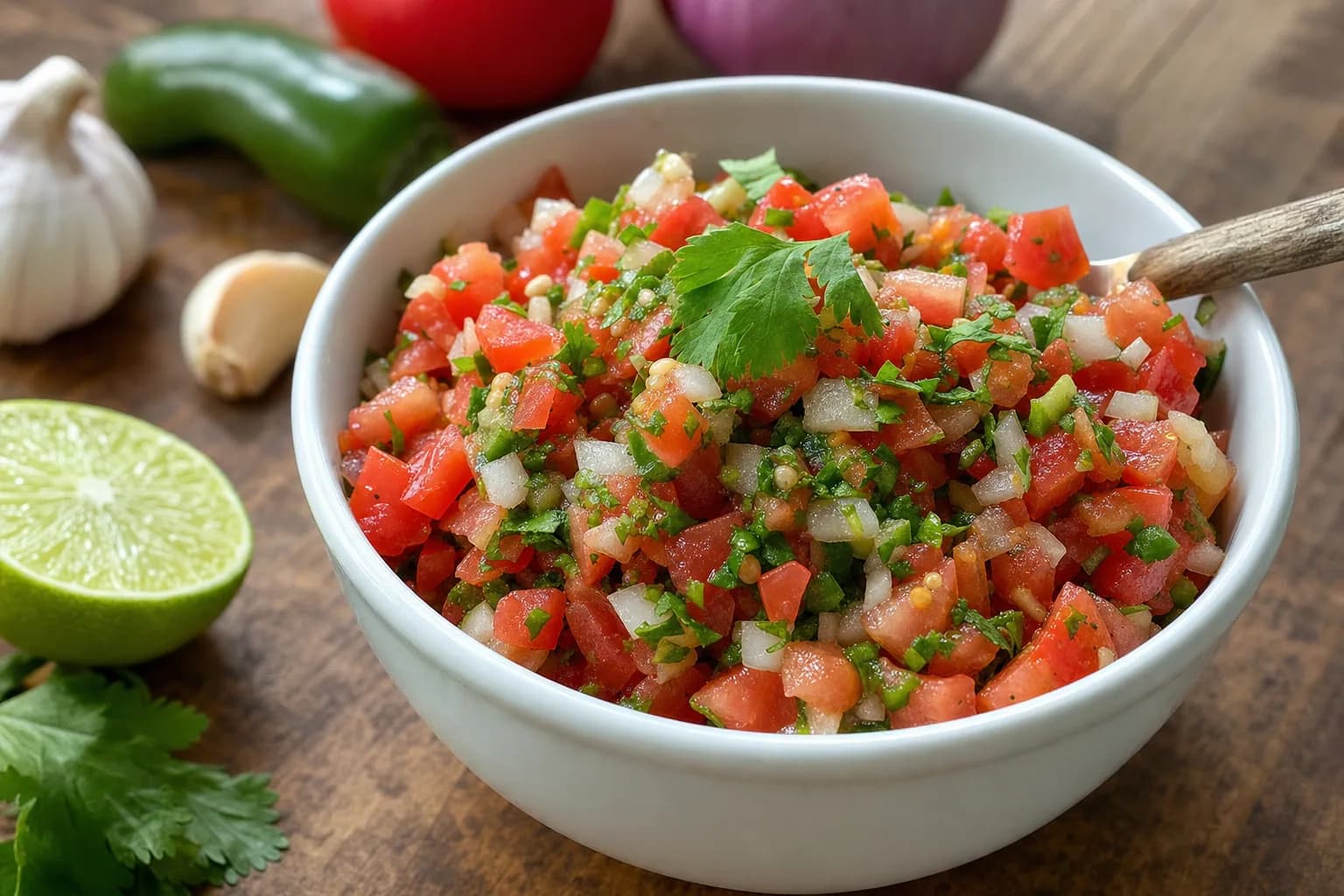 Appetizers
Salsa Fresca
This fresh tomato salsa is bright, crunchy, and quick to make. Serve it with tortilla chips, spoon it over tacos, or use it to wake up grilled chicken, fish, beans, or eggs.
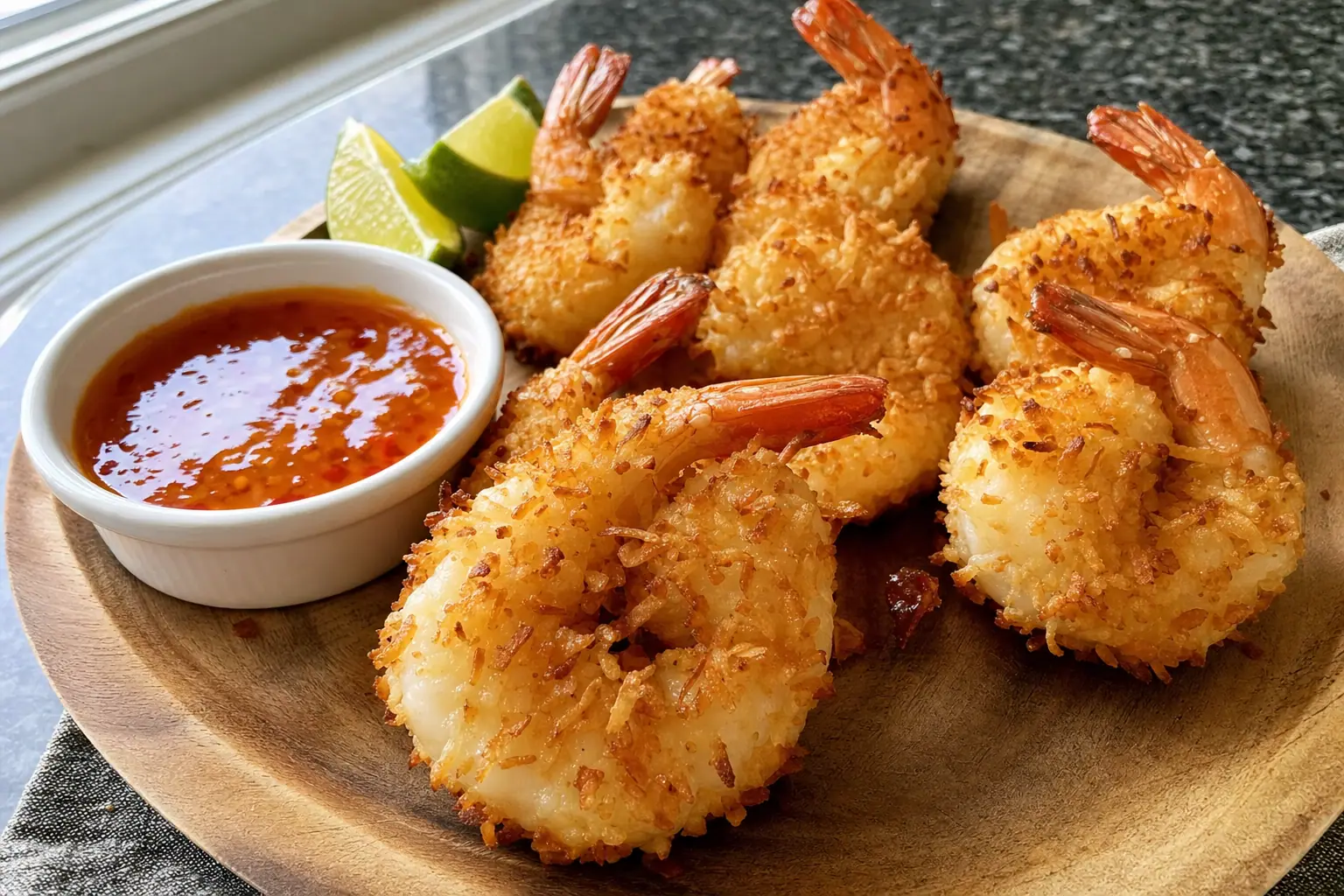 Appetizers
Coconut Shrimp
These baked coconut shrimp are crisp, lightly sweet, and easy to make without deep-frying. A quick orange-chili dipping sauce brings the tangy, sticky finish people expect from this classic appetizer.
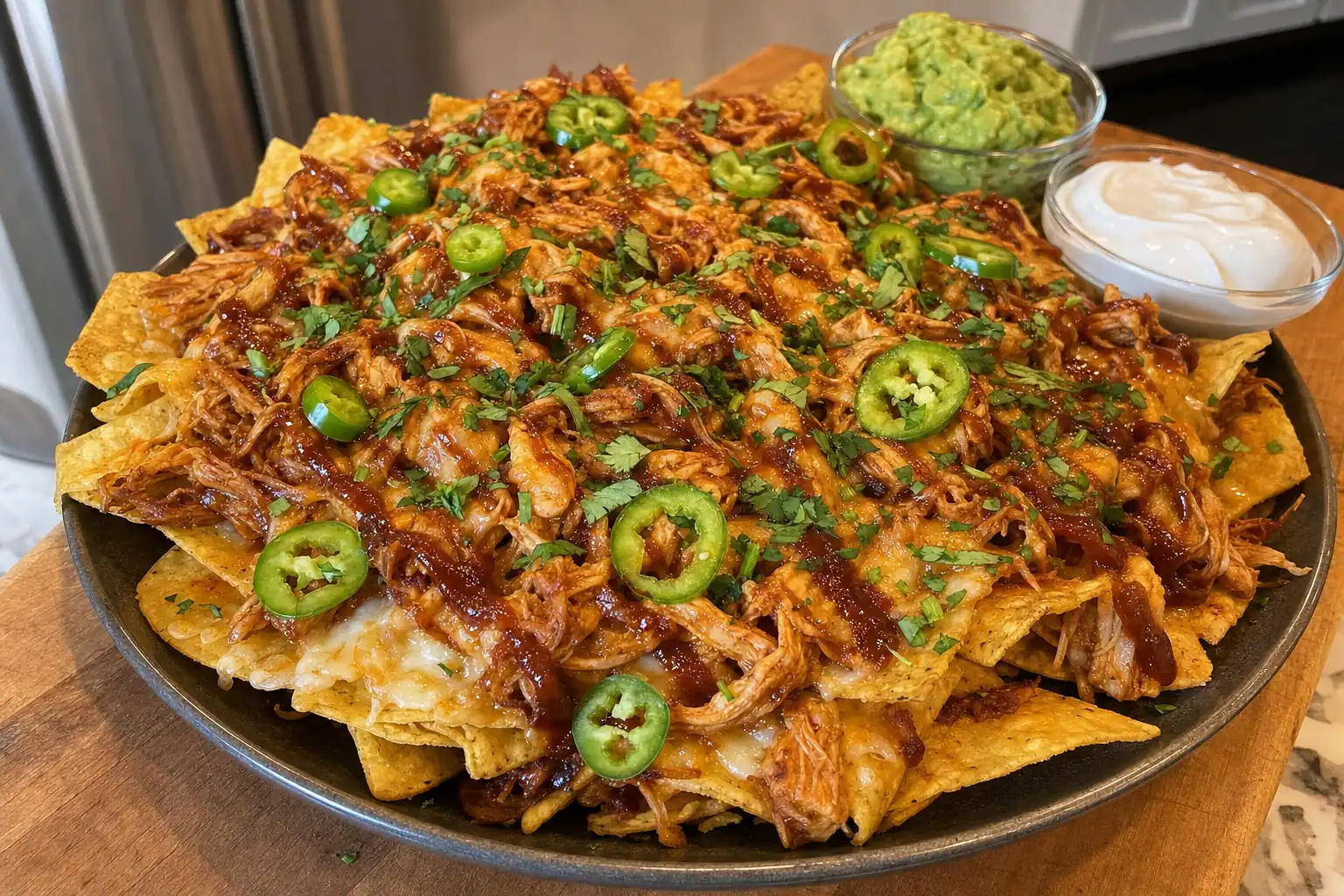 Appetizers
BBQ Chicken Nachos
These sheet-pan BBQ chicken nachos are smoky, cheesy, and built for sharing. They use cooked chicken, canned beans, and sturdy tortilla chips, so the whole pan comes together fast.
 Appetizers
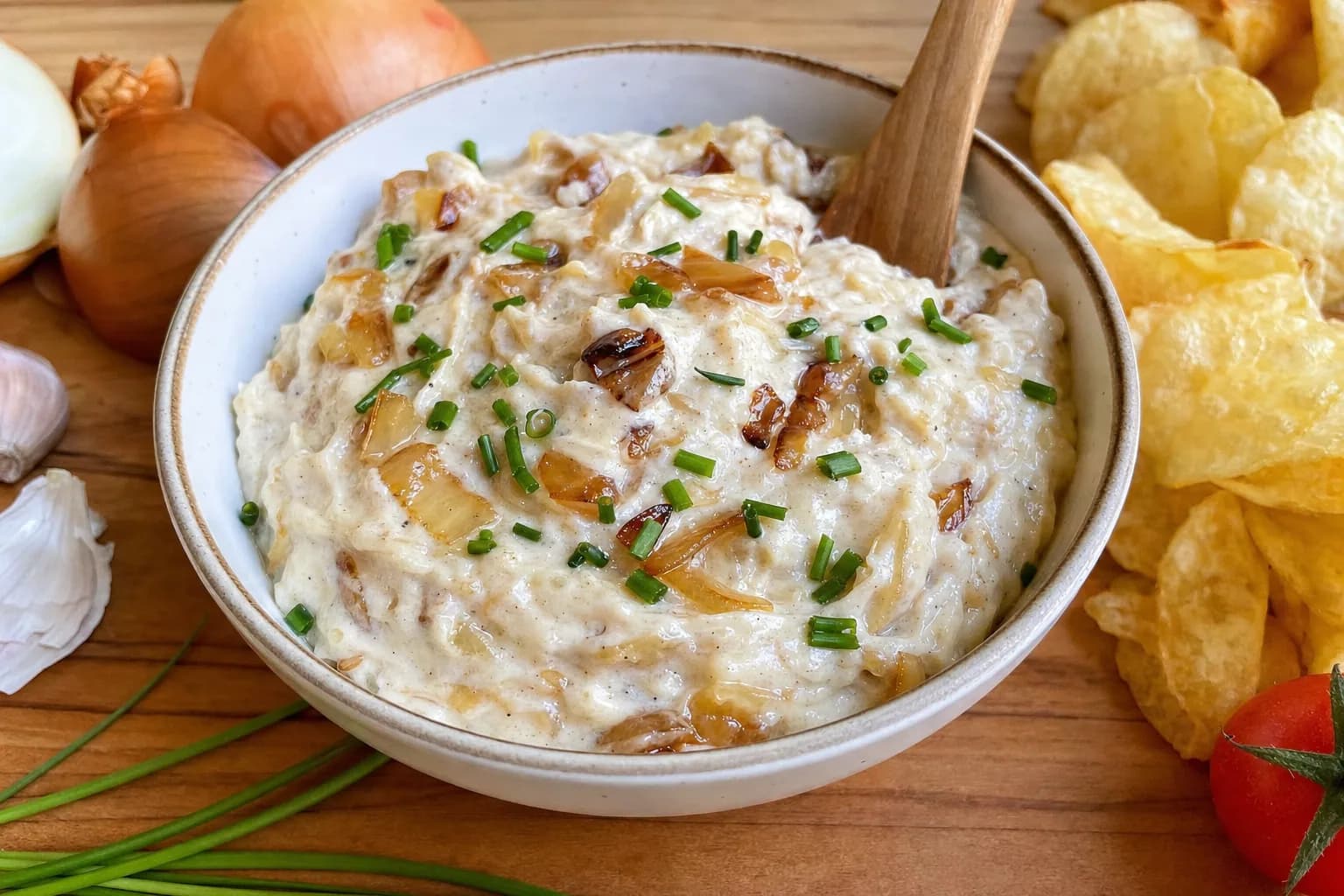
Caramelized Onion Dip
Slow-cooked onions bring deep, savory sweetness to this creamy party dip. Make it a few hours ahead so the flavors can settle, then serve it with chips, crackers, or crisp vegetables.