
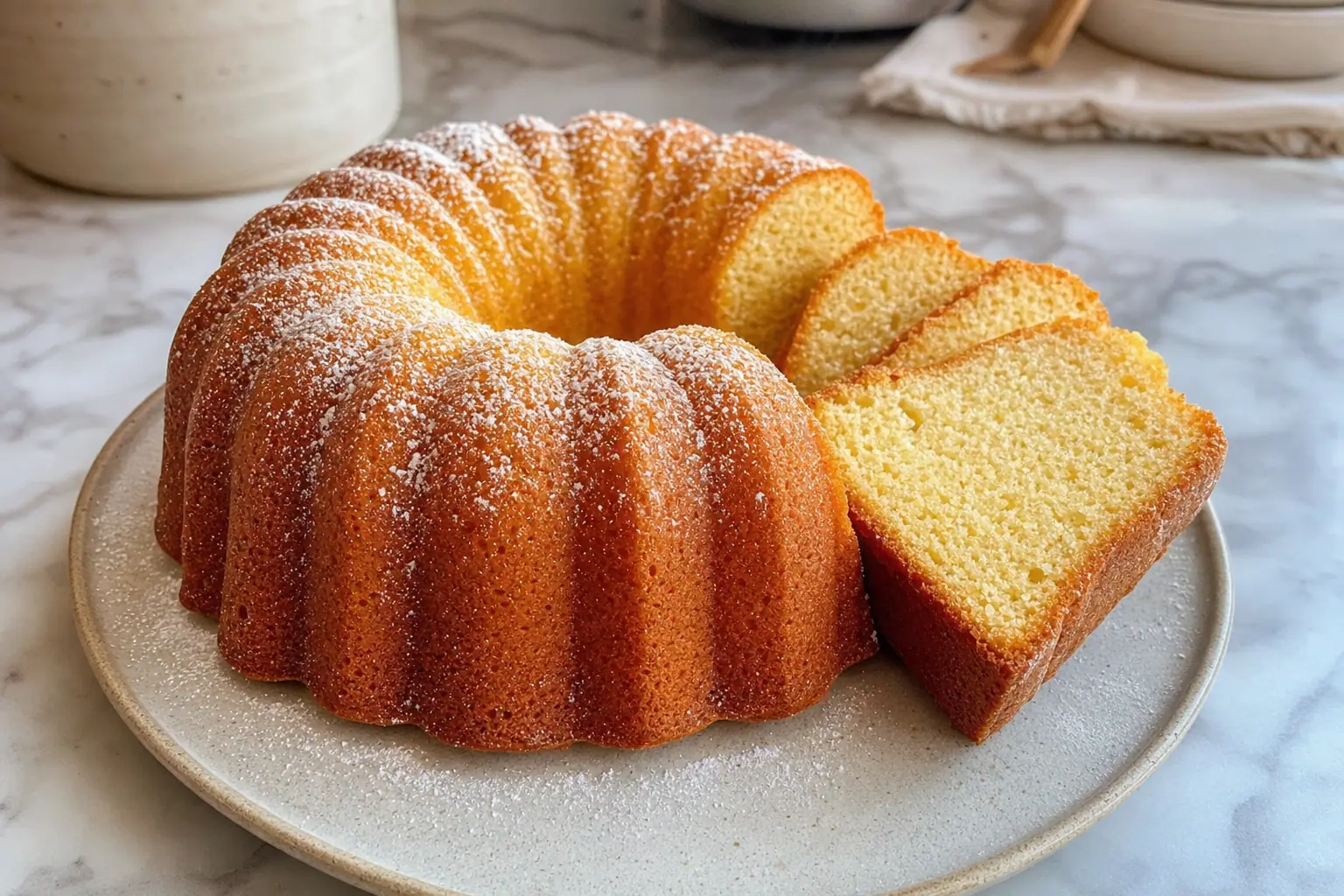
Classic Pound Cake
This simple pound cake has a tender, tight crumb and a buttery vanilla flavor. It is just the kind of cake to slice for afternoon coffee, berries and cream, or a quiet dessert after dinner.
Total
95 min
Servings
Makes 1 loaf cake, about 10 to 12 slices
Level
Easy
Pound cake gets its name from the old formula of a pound each of butter, sugar, eggs, and flour. Modern home ovens and pans work better with a scaled-down version, but the spirit is the same: rich, buttery, and simple.
The key step is creaming the butter and sugar. That means beating them together until lighter and fluffy, which adds tiny air pockets to help the cake rise.
This recipe bakes in a standard 9-by-5-inch loaf pan. Serve it plain, dust it with powdered sugar, or add fresh fruit and whipped cream.
01What you'll need
Ingredients
8 items · Makes 1 loaf cake, about 10 to 12 slices
- 1 cup (226 g) unsalted butter, softened, plus more for the pan
- 1 1/4 cups (250 g) granulated sugar
- 4 large eggs, at room temperature
- 2 teaspoons vanilla extract
- 2 cups (250 g) all-purpose flour, spooned and leveled
- 1 teaspoon baking powder
- 1/2 teaspoon fine salt
- 1/3 cup whole milk, at room temperature
02How to make it
Step-by-step
1. Heat the oven
Heat the oven to 325°F. Butter a 9-by-5-inch loaf pan, then line it with a strip of parchment paper so the paper hangs over the two long sides. This makes the cake easier to lift out later.
2. Mix the dry ingredients
In a medium bowl, whisk together the flour, baking powder, and salt. Whisking breaks up lumps and spreads the baking powder evenly through the flour.
3. Cream the butter and sugar
In a large bowl, beat the softened butter and sugar with an electric mixer on medium speed for 4 to 5 minutes, until the mixture looks pale and fluffy. Scrape down the sides of the bowl once or twice so everything mixes evenly.
4. Beat in the eggs
Add the eggs one at a time, beating well after each egg. If the batter looks a little curdled, do not worry. It will smooth out once the flour is added.
5. Add the vanilla
Beat in the vanilla extract. Scrape the bowl again, especially the bottom, where butter can hide.
6. Add flour and milk
Add one-third of the flour mixture and mix on low speed just until almost combined. Add half the milk and mix briefly. Repeat with another third of the flour, the remaining milk, and the final third of the flour. Stop mixing as soon as no dry streaks remain. Overmixing can make the cake tough.
7. Fill the pan
Scrape the batter into the prepared loaf pan and smooth the top. Tap the pan gently on the counter once or twice to release large air pockets.
8. Bake the cake
Bake for 60 to 70 minutes, until the top is golden and a toothpick inserted in the center comes out clean or with a few moist crumbs. If the top browns too quickly, loosely tent the pan with foil for the last 15 minutes.
9. Cool before slicing
Let the cake cool in the pan for 15 minutes. Use the parchment overhang to lift it out, then place it on a wire rack to cool completely. For the cleanest slices, wait until the cake is fully cool.
03From our kitchen
Cook's tips
- Make-ahead: Pound cake is a good make-ahead dessert. The flavor and texture are often even better the next day once the crumb has settled.
- Storage: Wrap the cooled cake tightly and keep it at room temperature for up to 3 days. Refrigeration can dry it out, so only chill it if your kitchen is very warm.
- Freezing: Wrap the whole cake or individual slices in plastic wrap, then place in a freezer bag. Freeze for up to 2 months. Thaw at room temperature before serving.
- Butter temperature matters: Softened butter should bend slightly when pressed, but it should not look shiny or melted. Too-cold butter will not cream well, and melted butter can make the cake heavy.
- Simple swaps: Add 1 tablespoon finely grated lemon or orange zest with the sugar for a citrus pound cake. You can also replace the vanilla with 1 teaspoon almond extract for a stronger almond flavor.
- Milk swap: Whole milk gives a classic texture, but sour cream or plain full-fat yogurt can be used in the same amount for a slightly tangier, more tender cake. Stir either one smooth before adding.
Cook's note
For the most accurate result, weigh the flour if you can. If using cups, spoon the flour into the measuring cup and level it off with a knife. Scooping straight from the bag can pack in too much flour and make the cake dry.
04Frequently asked
Questions & answers
Why did my pound cake crack on top?
A crack on top is normal for pound cake. The outside sets first, then the center keeps rising and opens the top. It is part of the classic loaf look.
Can I bake this in a Bundt pan?
This recipe is sized for a loaf pan and will look low in most Bundt pans. For a Bundt, it is better to use a larger recipe made for a 10- to 12-cup pan.
How do I know when pound cake is done?
The cake should be golden, feel set in the center, and pull slightly from the sides of the pan. A toothpick inserted into the thickest part should come out clean or with a few moist crumbs, not wet batter.
Why is my pound cake dense or gummy?
It may have been underbaked, or the batter may have been mixed too much after the flour was added. Cream the butter and sugar well, but mix gently once the flour goes in.
Can I use salted butter?
Yes. If you use salted butter, reduce the added salt to 1/4 teaspoon. The cake will still taste buttery and balanced.
05Keep cooking
You might also like
 Desserts
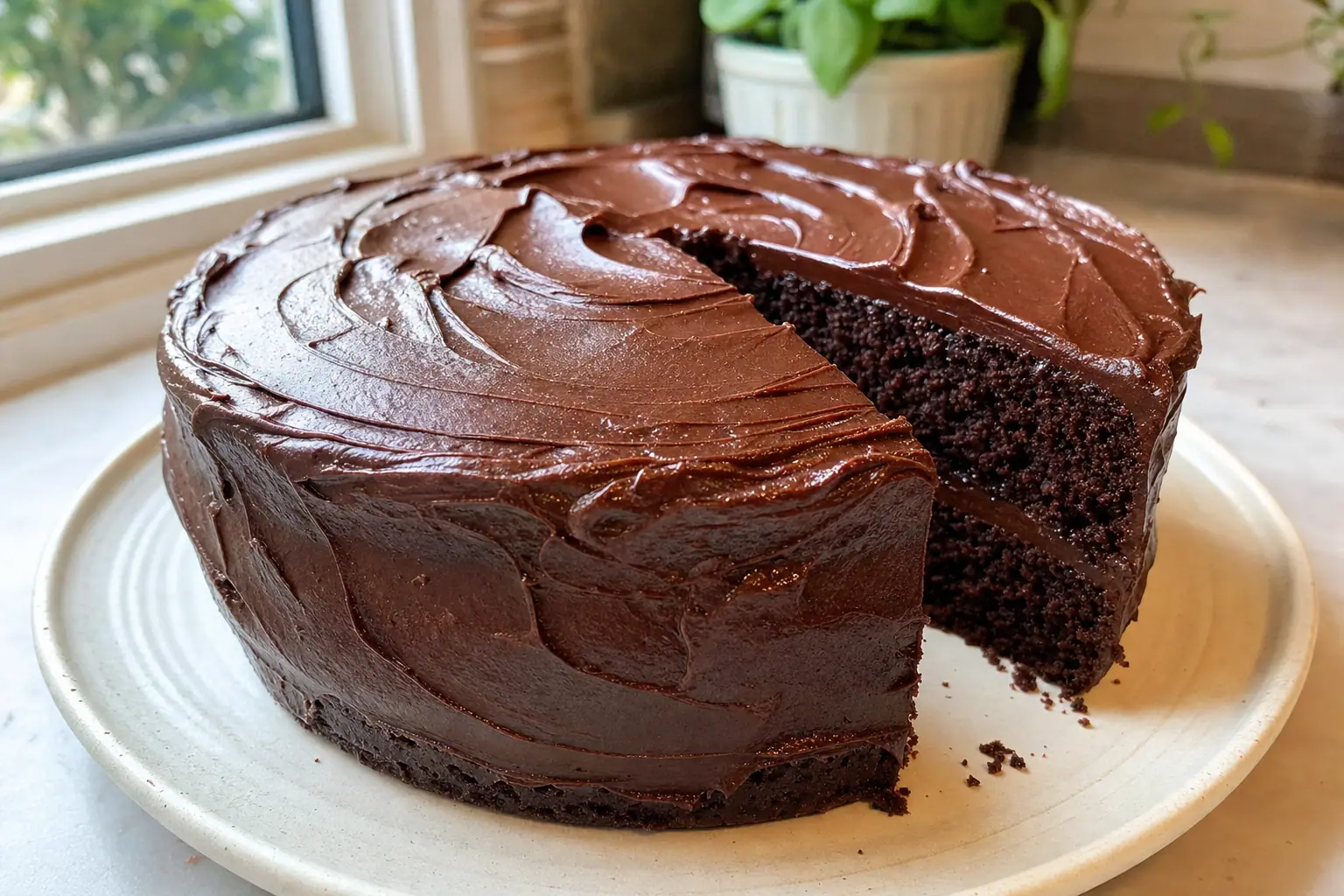
Classic Chocolate Cake
This tender two-layer chocolate cake is rich, simple, and friendly enough for a birthday, bake sale, or quiet weekend dessert. A quick cocoa frosting keeps it soft, fudgy, and easy to slice.
 Desserts
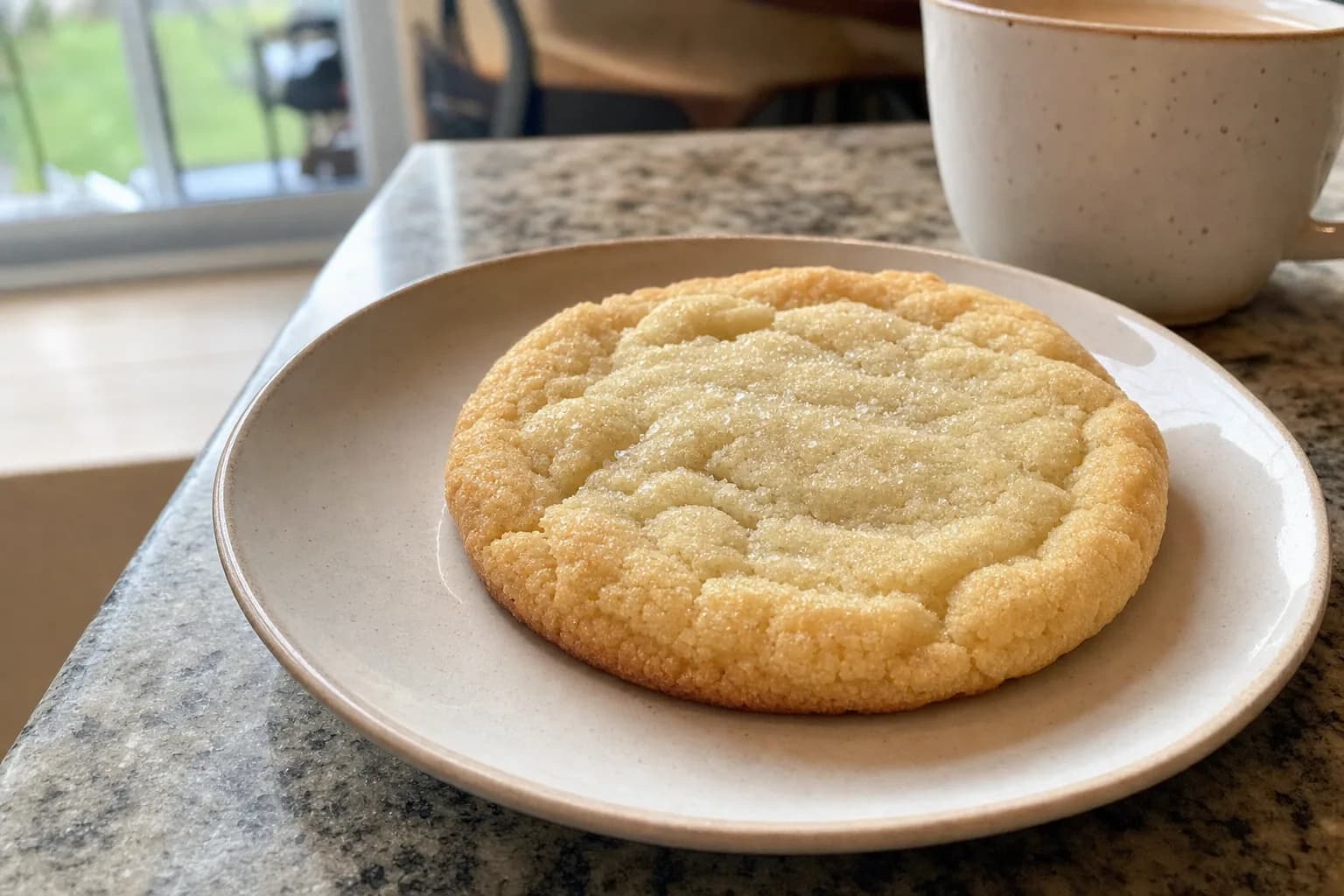
Classic Sugar Cookies
These simple sugar cookies bake up tender in the middle with lightly crisp edges. Roll the dough in sugar for an easy finish, or use it for cut-out cookies and decorate after baking.
 Desserts
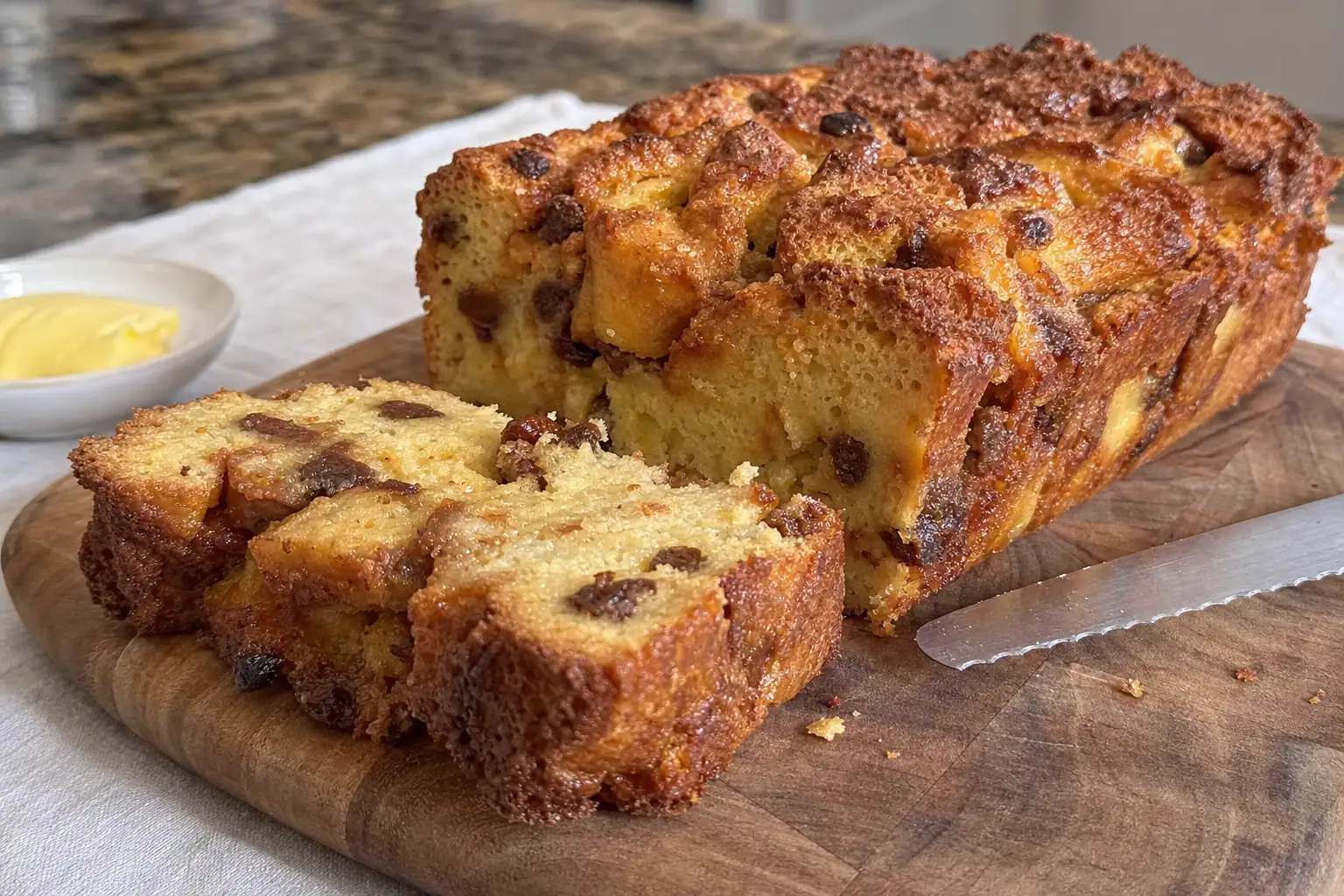
Classic Bread Pudding
This cozy bread pudding turns day-old bread into a soft, custardy dessert with crisp golden edges. Serve it warm with a little cream, caramel sauce, or a simple dusting of powdered sugar.
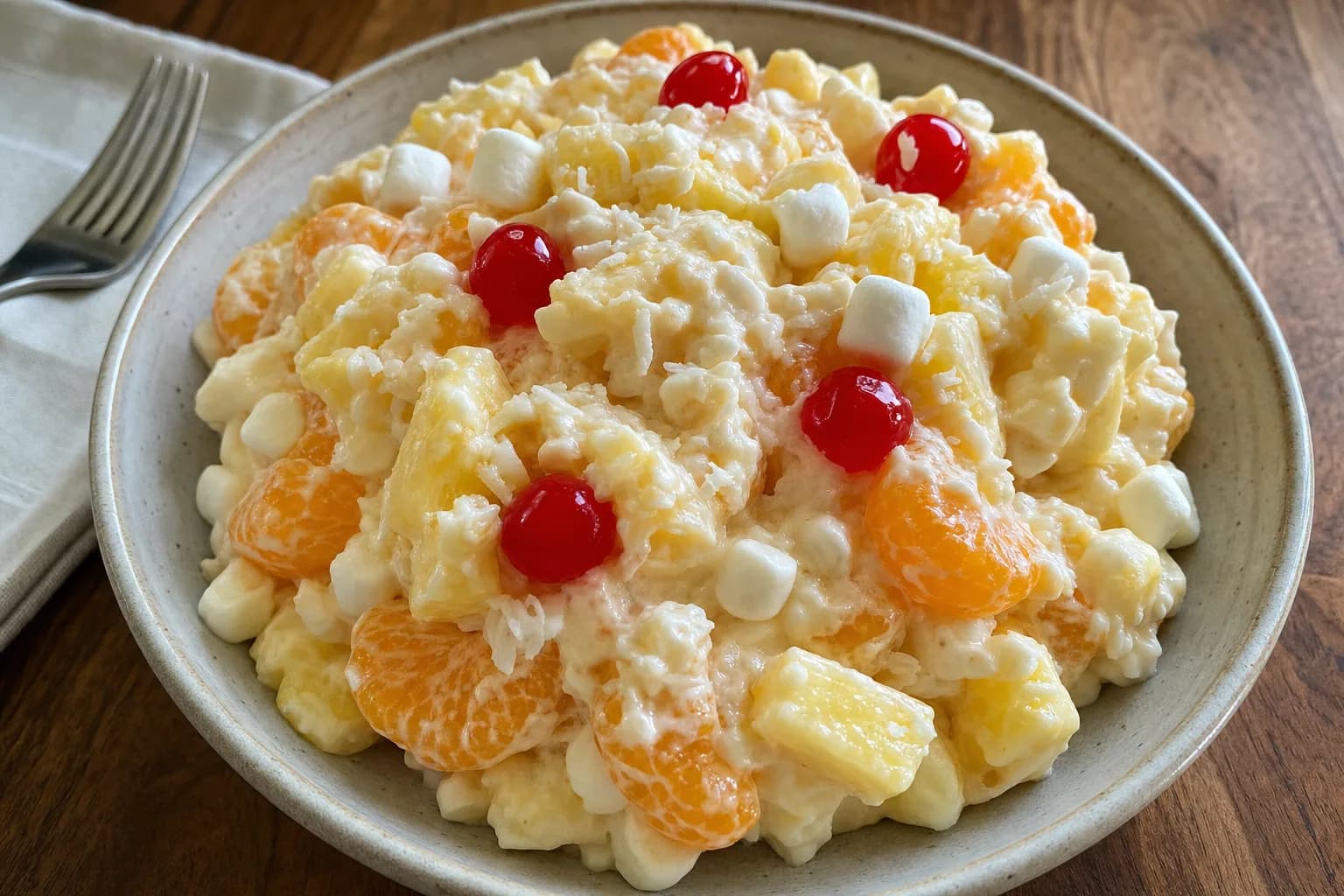 Desserts
Classic Ambrosia
This creamy fruit salad is sweet, tangy, and full of old-fashioned charm. It is a simple no-cook dessert for holidays, potlucks, and family dinners.