
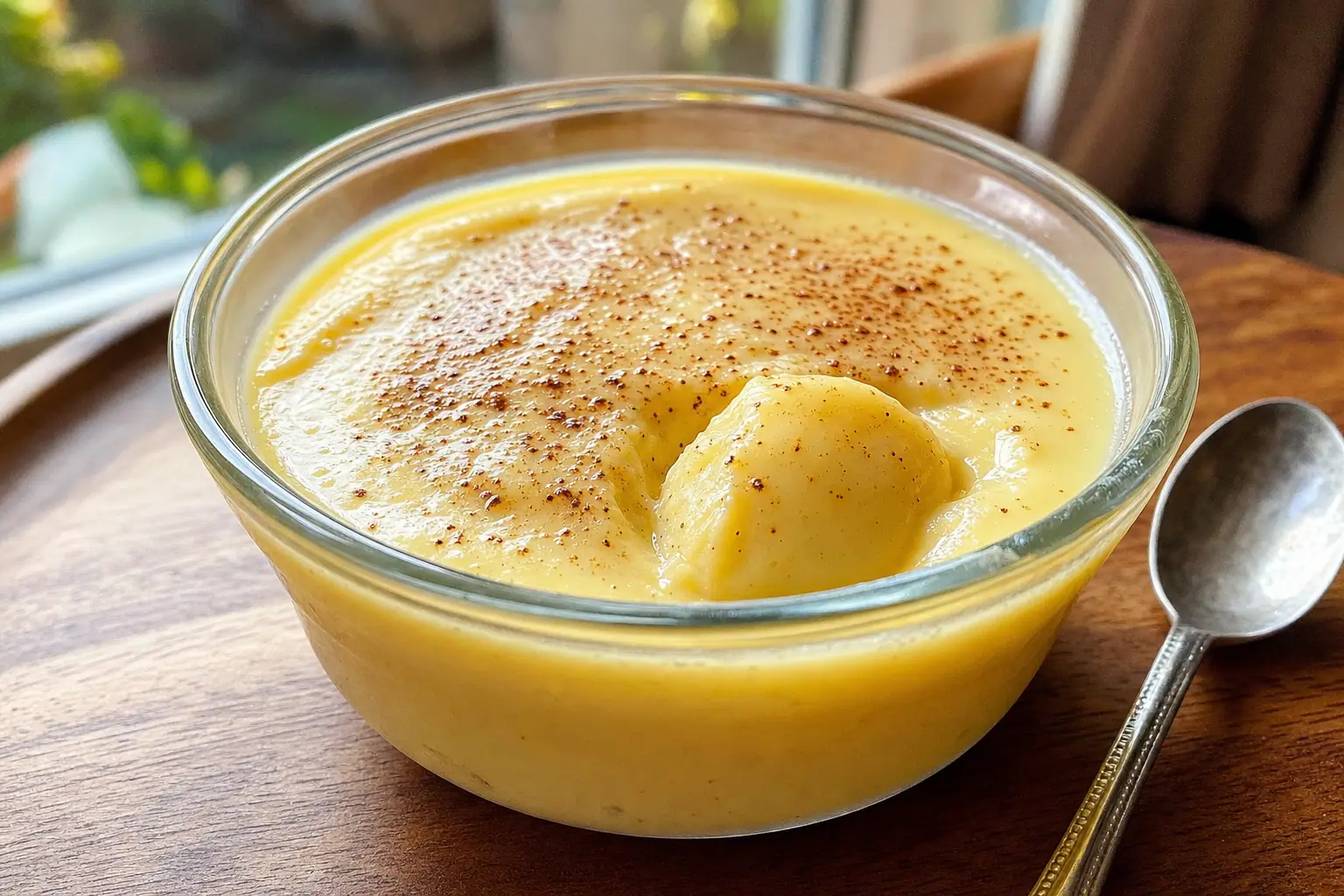
Classic Vanilla Custard
This smooth vanilla custard is a simple stovetop dessert made with milk, egg yolks, sugar, and a little cornstarch for steadiness. Serve it warm as a sauce, or chill it until spoonable like pudding.
Total
22 min
Servings
4 servings
Level
Easy
Custard is one of those quiet kitchen recipes that feels useful in many ways. Pour it over fruit, cake, crumble, or steamed pudding, or chill it in small cups for an easy dessert.
This version is cooked on the stovetop and thickened with egg yolks plus a small amount of cornstarch. The cornstarch helps protect the eggs from curdling, which makes the recipe friendlier for newer cooks.
The main trick is gentle heat. Warm the milk, whisk it slowly into the eggs, then cook the mixture until it thickens enough to coat a spoon.
01What you'll need
Ingredients
7 items · 4 servings
- 2 cups whole milk
- 4 large egg yolks
- 1/3 cup granulated sugar
- 1 tablespoon cornstarch
- 1/8 teaspoon fine salt
- 2 teaspoons vanilla extract
- 1 tablespoon unsalted butter, optional, for a richer finish
02How to make it
Step-by-step
1. Set up your bowl
Place a medium heatproof bowl near the stove. If you want extra-smooth custard, set a fine-mesh sieve over the bowl now. A sieve is a small strainer that catches any tiny cooked egg bits.
2. Warm the milk
Pour the milk into a medium saucepan. Warm it over medium heat until it is steaming and small bubbles appear around the edge. Do not let it boil.
3. Whisk the eggs and sugar
In a separate medium bowl, whisk the egg yolks, sugar, cornstarch, and salt until smooth and slightly lighter in color. The mixture will look thick at first, then loosen as you whisk.
4. Temper the eggs
Slowly pour about 1/2 cup of the hot milk into the egg mixture while whisking the whole time. This is called tempering. It gently warms the eggs so they do not scramble.
5. Combine in the pan
Pour the warmed egg mixture back into the saucepan with the rest of the milk. Whisk to combine, scraping around the bottom and corners of the pan.
6. Cook until thickened
Cook over medium-low heat, whisking constantly, for 4 to 6 minutes. The custard is ready when it thickens and coats the back of a spoon. If you have a thermometer, aim for about 170°F to 175°F. Do not boil it.
7. Finish the custard
Remove the pan from the heat. Whisk in the vanilla extract and the butter, if using. Pour the custard through the sieve into the bowl to make it silky.
8. Serve or chill
Serve the custard warm right away, or press a piece of plastic wrap directly onto the surface and refrigerate until cold. The wrap helps stop a skin from forming.
03From our kitchen
Cook's tips
- Make-ahead: Custard can be made up to 2 days ahead. Keep it covered in the refrigerator with plastic wrap touching the surface.
- Storage: Store leftover custard in an airtight container in the fridge for up to 3 days. Do not leave it at room temperature for more than 2 hours.
- Reheating: Warm custard gently in a saucepan over low heat, stirring often. If it seems too thick, whisk in a splash of milk.
- Milk swaps: Whole milk gives the creamiest texture. You can use 2% milk, but the custard will be lighter. Avoid skim milk if you want a rich result.
- Vanilla options: Use 1 vanilla bean instead of extract if you like. Split it, scrape the seeds into the milk, and warm the pod with the milk, then remove the pod before serving.
- If it curdles: Take the pan off the heat right away and whisk hard. Strain through a fine sieve. A slightly grainy custard is still fine to eat, especially over cake or fruit.
Cook's note
This is a softly thickened custard, good for pouring or spooning. For a firmer custard that slices, you would need a baked custard recipe with different ratios and cooking method.
04Frequently asked
Questions & answers
Can I make custard without cornstarch?
Yes, but it is less forgiving. Use the same recipe and leave out the cornstarch, then cook very gently until the custard reaches 170°F to 175°F and coats a spoon. It will be a little thinner and more delicate.
Why did my custard turn lumpy?
The heat was probably too high, or the eggs warmed too quickly. Next time, add the hot milk slowly while whisking, then cook over medium-low heat and do not let the custard boil.
Can I use custard as a filling for cakes or tarts?
This custard is soft, so it works better as a sauce or spoon dessert. For a cake or tart filling, use pastry cream, which has more thickener and sets more firmly.
Can I freeze custard?
Freezing is not recommended. Custard often separates and turns watery or grainy after thawing. It is better to make a smaller batch and store it in the refrigerator.
What can I serve with vanilla custard?
Try it with berries, sliced bananas, apple crumble, bread pudding, pound cake, poached pears, or a simple dusting of nutmeg.
05Keep cooking
You might also like
 Desserts
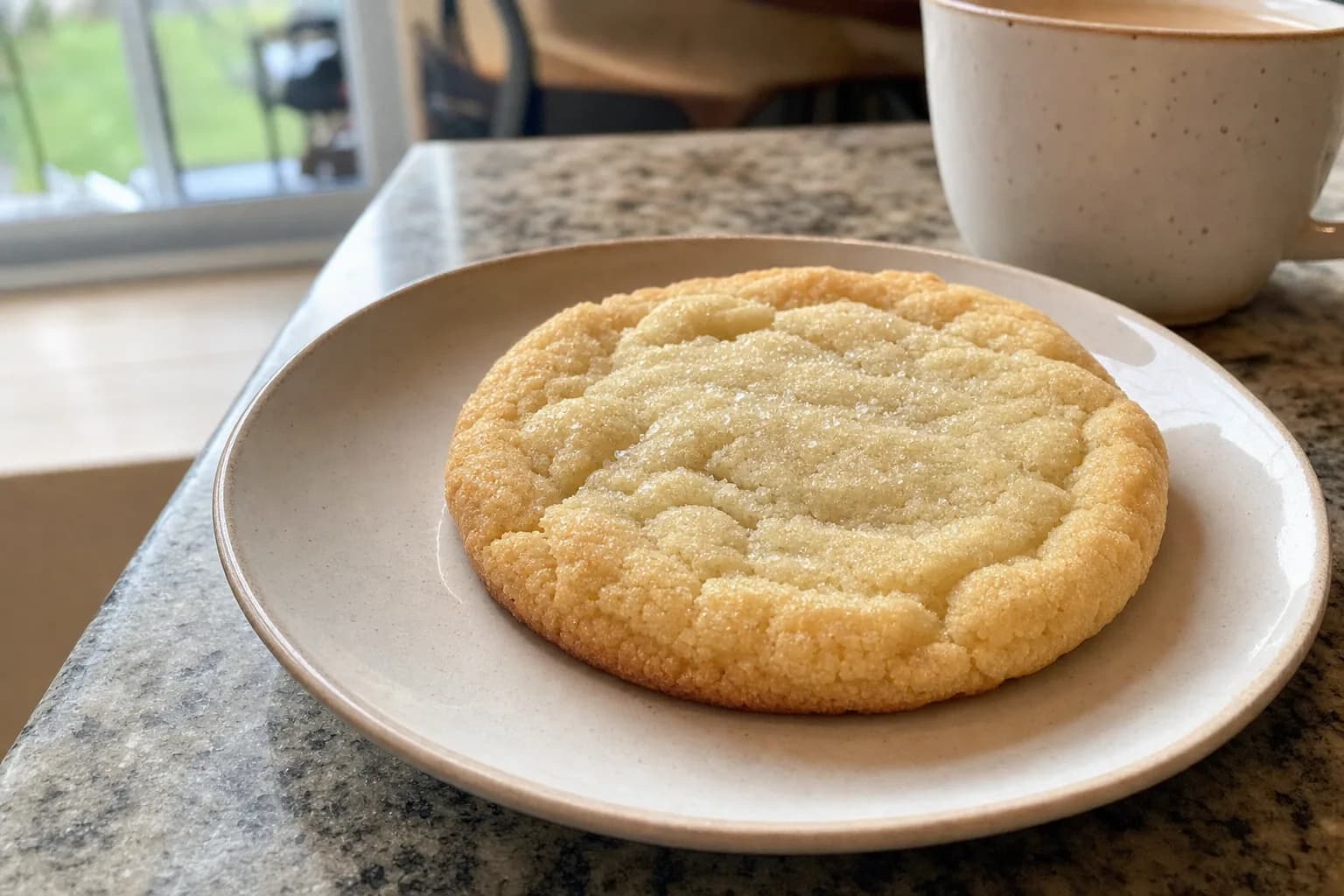
Classic Sugar Cookies
These simple sugar cookies bake up tender in the middle with lightly crisp edges. Roll the dough in sugar for an easy finish, or use it for cut-out cookies and decorate after baking.
 Desserts
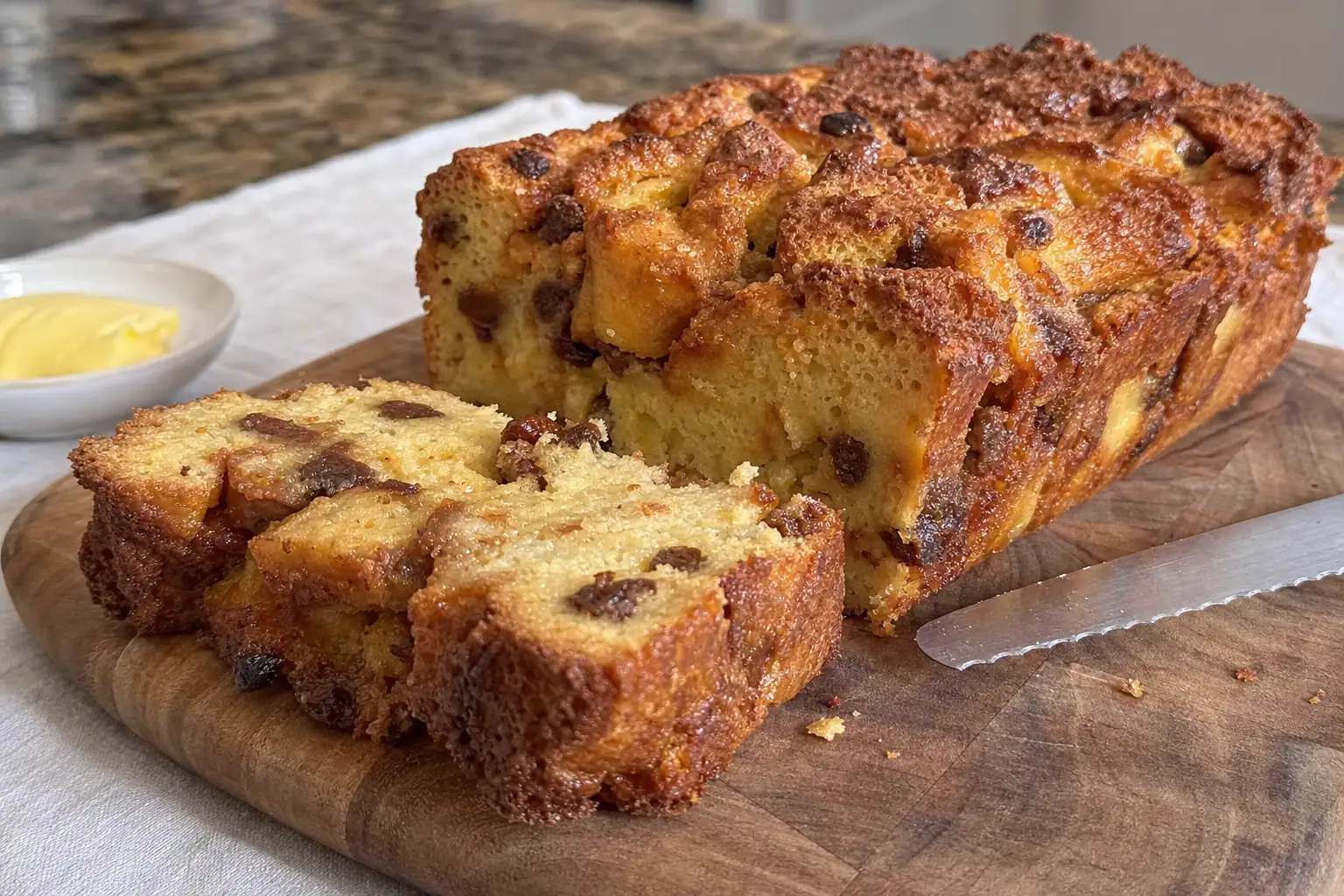
Classic Bread Pudding
This cozy bread pudding turns day-old bread into a soft, custardy dessert with crisp golden edges. Serve it warm with a little cream, caramel sauce, or a simple dusting of powdered sugar.
 Desserts
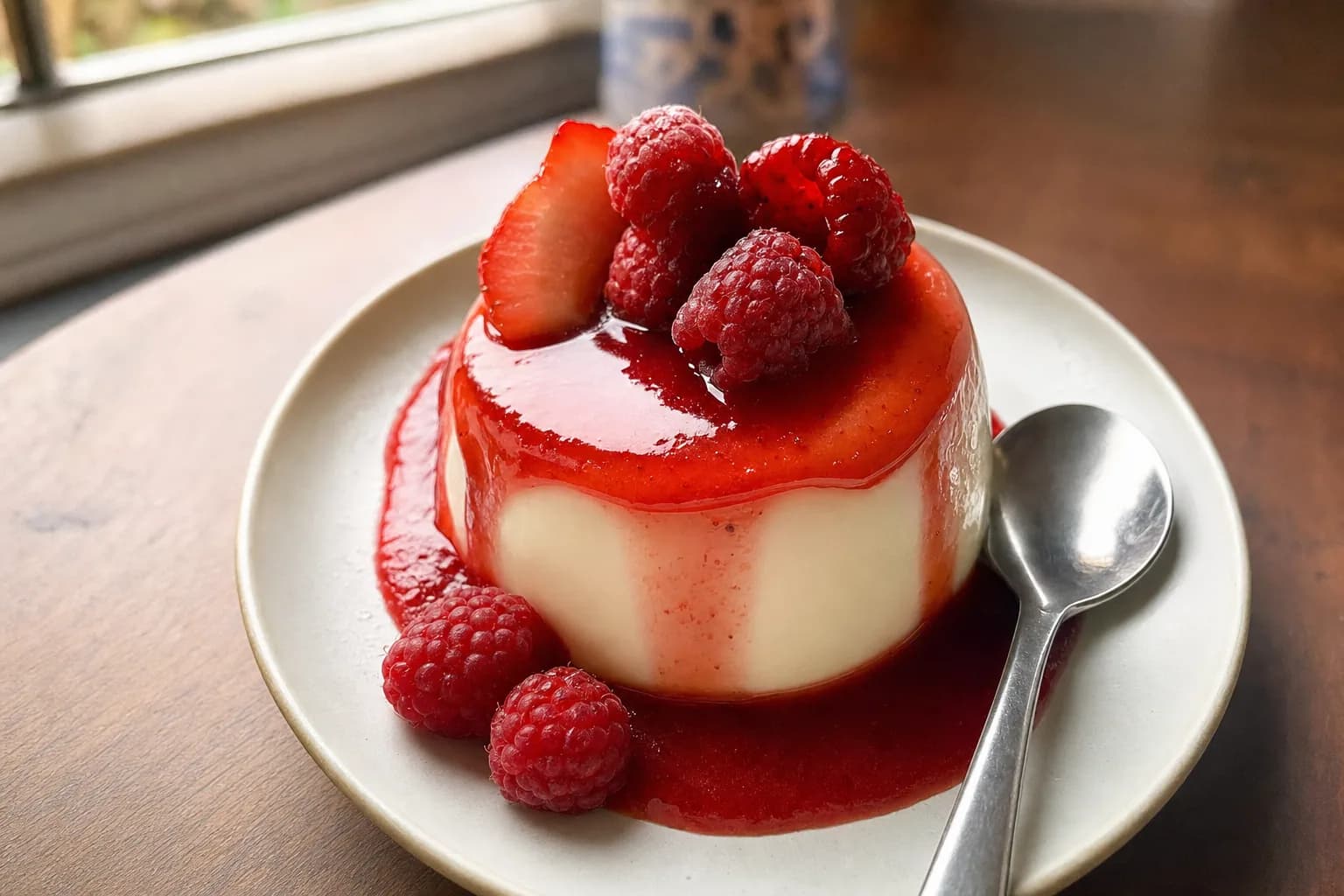
Classic Panna Cotta
This Italian cream dessert is silky, lightly sweet, and easier than it looks. Make it ahead, chill it well, and serve it in cups or unmold it onto plates with fresh berries.
 Desserts
Classic Ambrosia
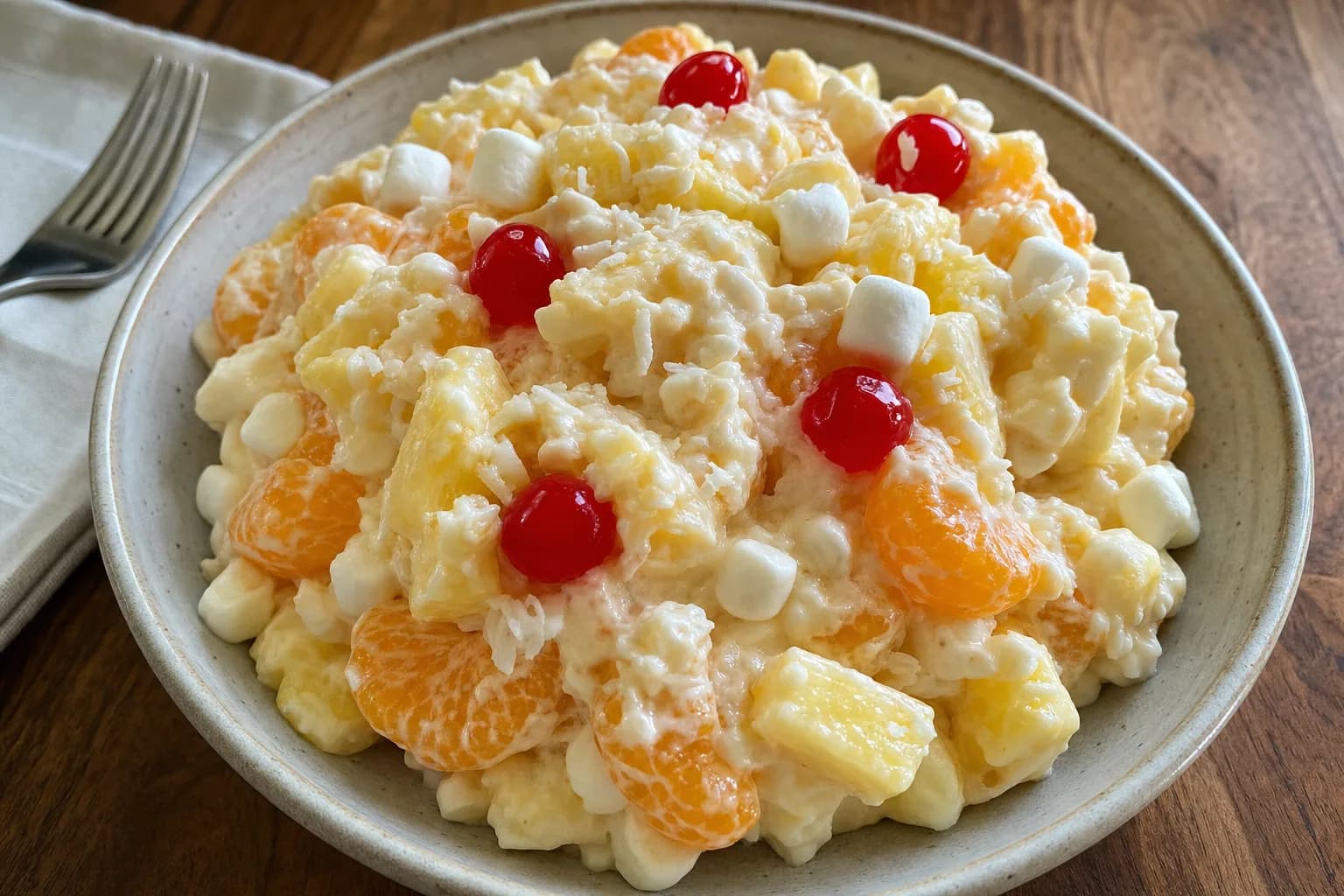
This creamy fruit salad is sweet, tangy, and full of old-fashioned charm. It is a simple no-cook dessert for holidays, potlucks, and family dinners.