

Gochujang Chicken
This saucy gochujang chicken is sweet, savory, lightly spicy, and ready in about 30 minutes. Boneless chicken thighs stay juicy in the skillet, while the Korean chile paste makes a glossy sauce that is great with rice or
- Total time
- 30 min
- Yield
- 4 servings
- Difficulty
- Easy
Prep 15mCook 15mKorean-inspiredDinner
Gochujang is a Korean fermented chile paste with heat, sweetness, salt, and deep savory flavor all in one spoonful. Here, it becomes the base of a quick skillet sauce for chicken thighs.
This recipe is weeknight-friendly: cut the chicken, stir together the sauce, then cook everything in one pan. The sauce thickens as it bubbles, coating the chicken in a shiny, red glaze.
Serve it with steamed rice, lettuce cups, quick cucumbers, or a simple slaw. The chicken is flavorful enough to carry a meal, but easy enough for a regular Tuesday.
01What you'll need
Ingredients
12 items · 4 servings
- 1 1/2 pounds boneless, skinless chicken thighs, trimmed and cut into 1-inch pieces
- 3 tablespoons gochujang
- 2 tablespoons low-sodium soy sauce
- 1 tablespoon honey
- 1 tablespoon unseasoned rice vinegar
- 1 tablespoon toasted sesame oil
- 3 garlic cloves, finely grated or minced
- 2 teaspoons finely grated fresh ginger
- 1 tablespoon neutral oil, such as canola, grapeseed, or avocado oil
- 2 scallions, thinly sliced
- 1 teaspoon toasted sesame seeds
- Freshly ground black pepper, to taste
02How to make it
Step-by-step
1. Mix the sauce
In a medium bowl, stir together the gochujang, soy sauce, honey, rice vinegar, sesame oil, garlic, ginger, and a few grinds of black pepper until smooth. Gochujang is thick, so press it against the side of the bowl with a spoon to help it blend.
2. Coat the chicken
Add the chicken pieces to the bowl and toss until every piece is coated. If you have time, let it sit for 15 minutes at room temperature. For a make-ahead option, cover and refrigerate it for up to 12 hours.
3. Heat the skillet
Place a large skillet over medium-high heat and add the neutral oil. When the oil looks shiny, the pan is ready. Use a skillet large enough that the chicken can spread out; crowding the pan makes the chicken steam instead of brown.
4. Sear the chicken
Add the chicken in a single layer, letting extra marinade drip back into the bowl. Cook for 3 to 4 minutes without stirring too much, until the underside has some browned spots. Gochujang can scorch if the heat is too high, so lower the heat if the pan looks dry or smells burnt.
5. Turn and cook through
Turn the chicken pieces and cook for 3 to 4 minutes more. The chicken should be mostly cooked at this point, with no raw-looking sides.
6. Add the remaining sauce
Pour any sauce left in the bowl into the skillet. Reduce the heat to medium and stir well, scraping up the browned bits from the bottom of the pan. Let the sauce bubble for 2 to 4 minutes, until glossy and slightly thickened.
7. Check for doneness
Cut into the largest piece or use an instant-read thermometer. The chicken is done when it reaches 165°F in the center. If the sauce gets too thick before the chicken is done, add 1 to 2 tablespoons water and keep cooking.
8. Finish and serve
Sprinkle with scallions and sesame seeds. Serve hot with rice, noodles, lettuce leaves, cucumbers, or steamed vegetables.
03From our kitchen
Cook's tips
- Make-ahead: Mix the chicken with the sauce up to 12 hours ahead and refrigerate it. The salt in the sauce seasons the meat, but longer than overnight can make the texture a little soft.
- Storage: Refrigerate leftovers in an airtight container for up to 4 days. Reheat gently in a skillet or microwave. Add a splash of water if the sauce has thickened too much.
- Freezing: Cooked gochujang chicken freezes well for up to 2 months. Thaw overnight in the refrigerator, then reheat until hot all the way through.
- Chicken swaps: Boneless, skinless chicken breasts work, but they cook faster and can dry out. Cut them into even pieces and stop cooking as soon as they reach 165°F.
- Heat level: Gochujang brands vary. For milder chicken, use 2 tablespoons gochujang and add 1 tablespoon ketchup or tomato paste. For more heat, add a pinch of gochugaru or red pepper flakes.
- No rice vinegar: Use apple cider vinegar or white wine vinegar. Avoid seasoned rice vinegar unless you are okay with a sweeter sauce.
Cook's note
Nutrition is calculated for the chicken and sauce only, not rice, noodles, lettuce wraps, or extra side dishes. Sodium will vary by gochujang and soy sauce brand, so use low-sodium soy sauce if you are watching salt.
04Frequently asked
Questions & answers
What is gochujang?
Gochujang is a Korean fermented chile paste made with red chile, glutinous rice, fermented soybean, and salt. It is spicy, slightly sweet, salty, and savory. Look for it in tubs or squeeze bottles in the Asian section of many grocery stores or at Korean markets.
Can I bake this gochujang chicken instead?
Yes. Spread the sauced chicken pieces on a foil-lined sheet pan and bake at 425°F for 15 to 20 minutes, stirring once, until the chicken reaches 165°F. The sauce will be a little less glossy than the skillet version, but still flavorful.
Can I grill it?
Yes, but keep an eye on it because the honey and gochujang can burn. Use medium heat, oil the grates, and grill larger strips or whole thighs instead of small pieces. Cook until the chicken reaches 165°F, brushing with extra sauce near the end.
Is this recipe very spicy?
It is moderately spicy, but not fiery for most people. The honey and sesame oil soften the heat. If you are sensitive to spice, start with less gochujang and add more after tasting the sauce.
What should I serve with gochujang chicken?
Steamed white rice, brown rice, or noodles are the easiest choices. For vegetables, try sliced cucumbers, roasted broccoli, sautéed greens, cabbage slaw, or lettuce leaves for wrapping.
05Per serving
Nutrition facts
Nutrition Facts
4 servings
Amount per serving
% Daily Value*
- Total Fat19 g
- 24%
- Saturated Fat4 g
- 20%
- Cholesterol180 mg
- 60%
- Sodium962 mg
- 42%
- Total Carbohydrate12 g
- 4%
- Dietary Fiber1 g
- 4%
- Total Sugars8 g
- Protein35 g
- 70%
- Vitamin D0.2 mcg
- 1%
- Calcium39 mg
- 3%
- Iron1.8 mg
- 10%
- Potassium538 mg
- 11%
* Percent Daily Values are based on a 2,000-calorie diet.
05Keep cooking
You might also like
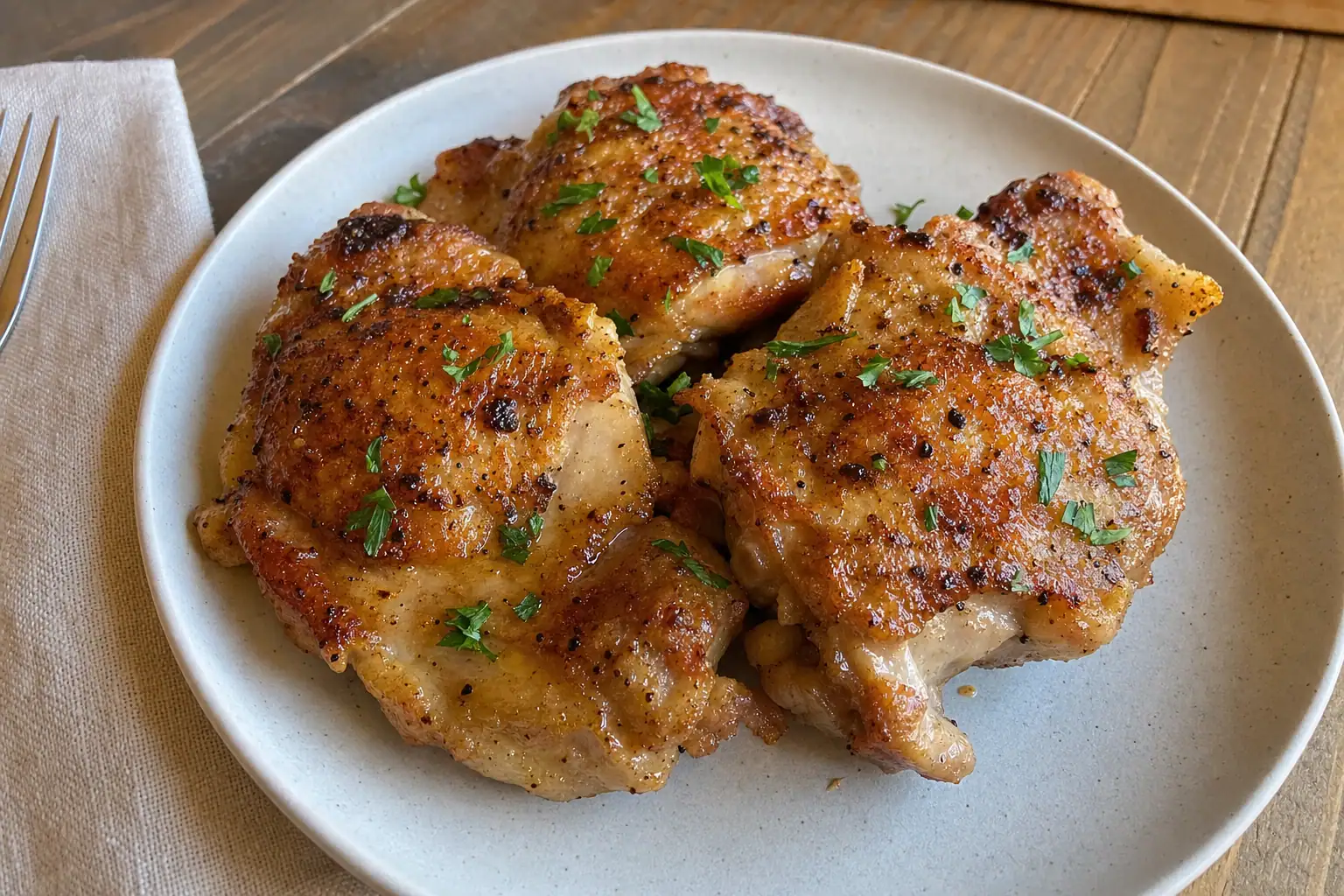 Dinner
Crispy Oven-Baked Chicken Thighs
These bone-in chicken thighs bake up juicy inside with crisp, well-seasoned skin. It is a simple dinner recipe that works with rice, potatoes, salad, or whatever vegetables you have on hand.
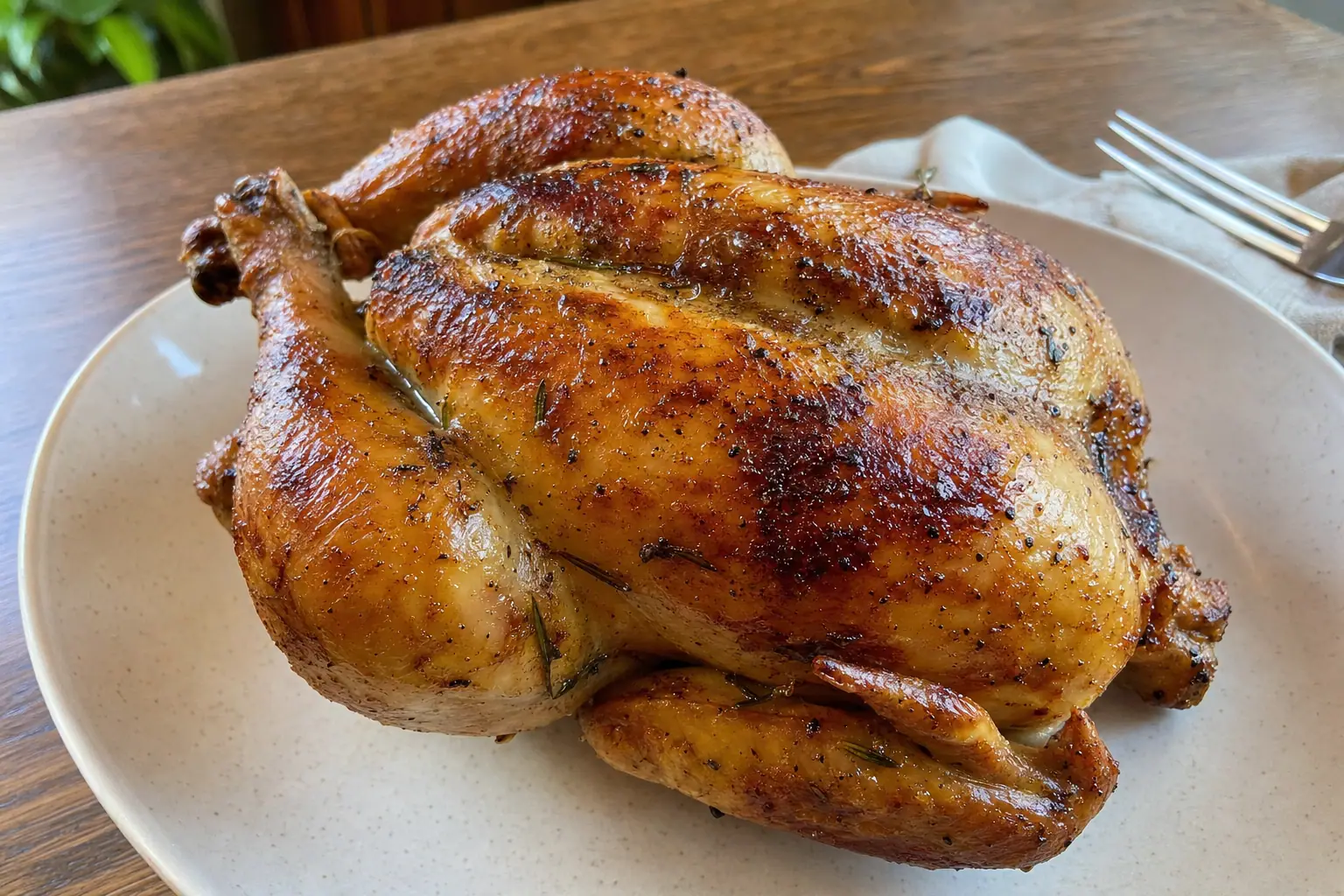 Dinner
Simple Roasted Chicken
A golden roasted chicken is the kind of dinner that feels special without asking much from you. This version uses lemon, garlic, herbs, and a hot oven for crisp skin and juicy meat.
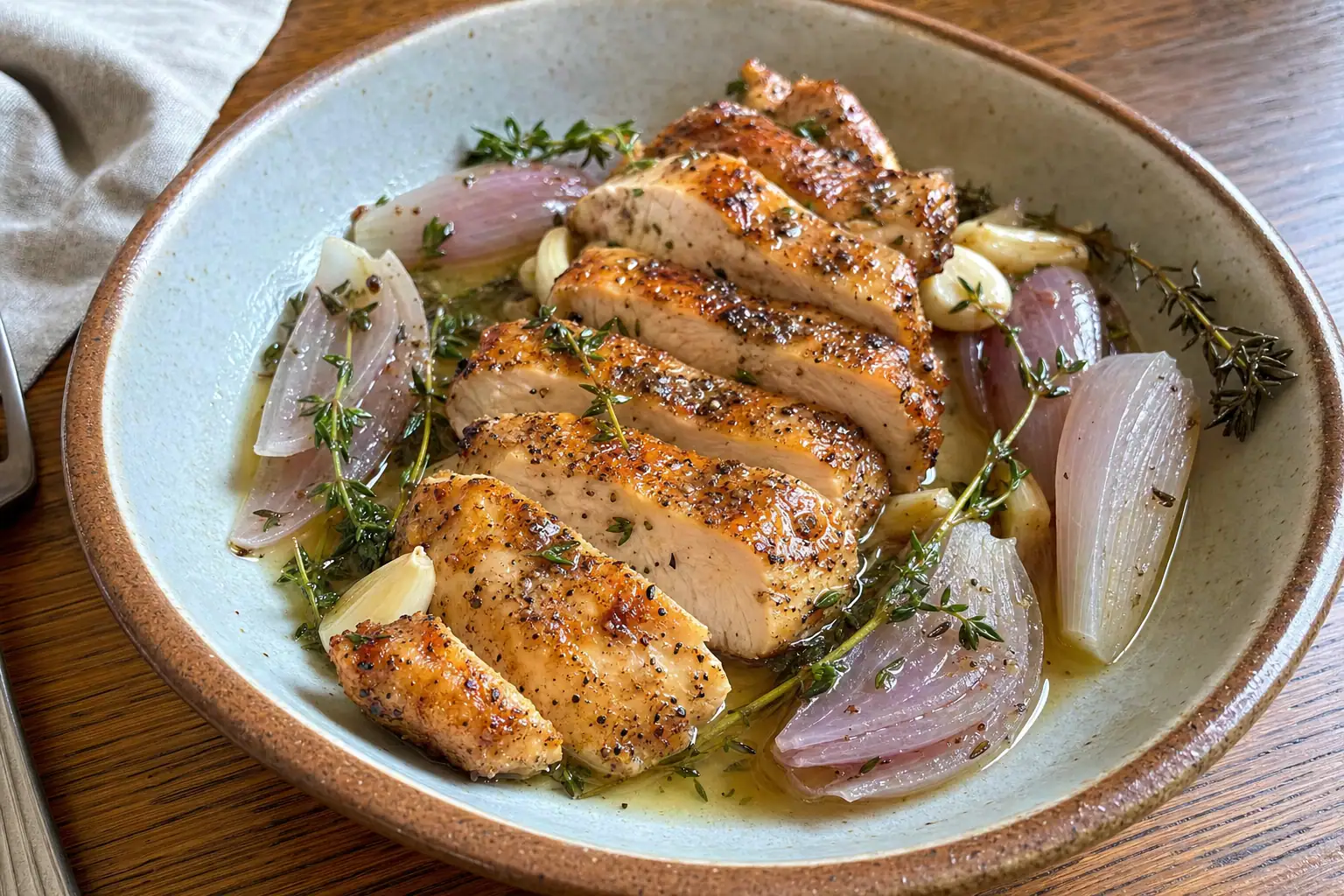 Dinner
Simple Chicken Brine
This easy chicken brine uses salt, a little sugar, herbs, and cold water to season chicken from the inside out. Use it for a whole chicken, bone-in pieces, or boneless breasts before roasting, grilling, or frying.
 Dinner
Butter Chicken
This stovetop butter chicken pairs tender marinated chicken with a creamy tomato sauce scented with garam masala, ginger, garlic, and fenugreek. Serve it with rice or naan for a cozy dinner that feels special without a t