

Hibachi Fried Rice
This hibachi fried rice brings the Japanese steakhouse side dish home with cold rice, eggs, vegetables, soy sauce, butter, and a little sesame oil. The trick is simple: cook hot and fast, and do not crowd the pan.
- Total time
- 27 min
- Yield
- 4 servings
- Difficulty
- Easy
Prep 15mCook 12mJapanese-AmericanDinner
Hibachi fried rice is the buttery, savory rice often served beside grilled chicken, steak, shrimp, or vegetables at Japanese-American steakhouses. At home, you do not need a flat-top grill. A large skillet or wok works well if it gets hot enough.
The most important ingredient is cold cooked rice. Chilled rice is drier and firmer than fresh rice, so the grains separate instead of turning mushy.
This version uses eggs, onion, carrot, peas, garlic, low-sodium soy sauce, butter, sesame oil, and scallions. It is simple enough for a weeknight and easy to pair with whatever protein you like.
01What you'll need
Ingredients
12 items · 4 servings
- 3 cups cold cooked long-grain white rice, preferably day-old
- 2 tablespoons neutral oil, such as canola or vegetable oil, divided
- 2 large eggs, lightly beaten
- 1/2 cup diced yellow onion
- 1/2 cup finely diced carrot
- 1/2 cup frozen peas, no need to thaw
- 2 garlic cloves, minced
- 3 tablespoons low-sodium soy sauce
- 1 tablespoon unsalted butter
- 1 teaspoon toasted sesame oil
- 2 scallions, thinly sliced
- 1/4 teaspoon freshly ground black pepper
02How to make it
Step-by-step
1. Break up the rice
Use clean hands or a spoon to break the cold rice into loose grains. If the rice is clumped, it will be harder to stir-fry evenly. Set it near the stove with the rest of the ingredients.
2. Scramble the eggs
Heat a large wok or 12-inch skillet over medium-high heat. Add 1 teaspoon of the neutral oil, then add the beaten eggs. Stir gently until just set, about 30 to 60 seconds. Transfer the eggs to a plate and chop them into small pieces with a spatula.
3. Cook the vegetables
Add the remaining neutral oil to the pan. Add the onion and carrot and cook, stirring often, until the onion softens and the carrot is crisp-tender, about 3 minutes. Crisp-tender means the carrot is cooked but still has a little bite.
4. Add peas and garlic
Stir in the frozen peas and minced garlic. Cook for about 1 minute, just until the peas are hot and the garlic smells fragrant. Do not let the garlic brown too much, or it can taste bitter.
5. Fry the rice
Add the cold rice to the pan. Press and toss it with a spatula to coat the grains in oil and mix them with the vegetables. Cook for 3 to 4 minutes, stirring often, until the rice is hot and some grains look lightly toasted.
6. Season the rice
Drizzle the soy sauce around the edge of the pan, where it can sizzle briefly before mixing in. Add the butter, sesame oil, and black pepper. Stir until the butter melts and the rice is evenly seasoned.
7. Finish with eggs and scallions
Return the scrambled eggs to the pan and add most of the scallions. Toss for 30 seconds to warm everything through. Taste and add a small splash more soy sauce only if needed.
8. Serve hot
Spoon the fried rice into bowls or onto plates. Sprinkle with the remaining scallions and serve right away with grilled chicken, shrimp, steak, tofu, or extra vegetables.
03From our kitchen
Cook's tips
- Make-ahead rice: Cook the rice up to 2 days ahead, spread it on a tray to cool, then refrigerate it in a covered container. This helps the rice dry out slightly, which is ideal for frying.
- If using fresh rice: Spread hot cooked rice on a baking sheet and chill it, uncovered, for 30 to 45 minutes. It will not be quite as dry as day-old rice, but it will work better than rice straight from the pot.
- Storage: Refrigerate leftovers in an airtight container within 2 hours of cooking. Eat within 3 to 4 days.
- Reheating: Warm leftovers in a skillet over medium heat with a splash of water or a few drops of oil. Stir until steaming hot. You can also microwave it, covered, stirring halfway through.
- Swaps: Use cooked brown rice or jasmine rice if you like. Brown rice will taste nuttier and may need an extra minute in the pan. Tamari can replace soy sauce for a gluten-free version if the label is certified gluten-free.
- Add protein: Stir in cooked diced chicken, shrimp, steak, pork, edamame, or tofu near the end. If adding raw meat or seafood, cook it fully first, transfer it out of the pan, then add it back with the eggs.
Cook's note
The nutrition estimate is calculated per serving from the listed ingredients using standard USDA values and a low-sodium soy sauce estimate. Sodium and calories may vary by rice type, soy sauce brand, and how firmly the rice is measured.
04Frequently asked
Questions & answers
Why does my fried rice turn mushy?
The rice is usually too fresh or too wet. Use cold day-old rice when you can. Also make sure the pan is hot and avoid adding too much soy sauce at once.
Can I make hibachi fried rice without a wok?
Yes. A large skillet works well. Choose the widest pan you have so the rice has room to fry instead of steam. If your pan is small, cook the rice in two batches.
What kind of rice is best for hibachi fried rice?
Long-grain white rice is a good choice because the grains stay separate. Jasmine rice also works. Short-grain rice is stickier, so it can clump more in the pan.
Can I use regular soy sauce instead of low-sodium soy sauce?
Yes, but start with 2 tablespoons instead of 3. Regular soy sauce is saltier, and you can always add more after tasting.
Is hibachi fried rice the same as Chinese fried rice?
They are similar, but hibachi-style fried rice often has a richer flavor from butter and is commonly served at Japanese-American steakhouses. Chinese fried rice varies widely by region and cook, and may use different sauces, aromatics, or proteins.
05Per serving
Nutrition facts
Nutrition Facts
4 servings
Amount per serving
% Daily Value*
- Total Fat14 g
- 18%
- Saturated Fat3 g
- 15%
- Cholesterol101 mg
- 34%
- Sodium506 mg
- 22%
- Total Carbohydrate41 g
- 15%
- Dietary Fiber2 g
- 7%
- Total Sugars3 g
- Protein9 g
- 18%
- Vitamin D0.6 mcg
- 3%
- Calcium53 mg
- 4%
- Iron2.4 mg
- 13%
- Potassium249 mg
- 5%
* Percent Daily Values are based on a 2,000-calorie diet.
05Keep cooking
You might also like
 Dinner
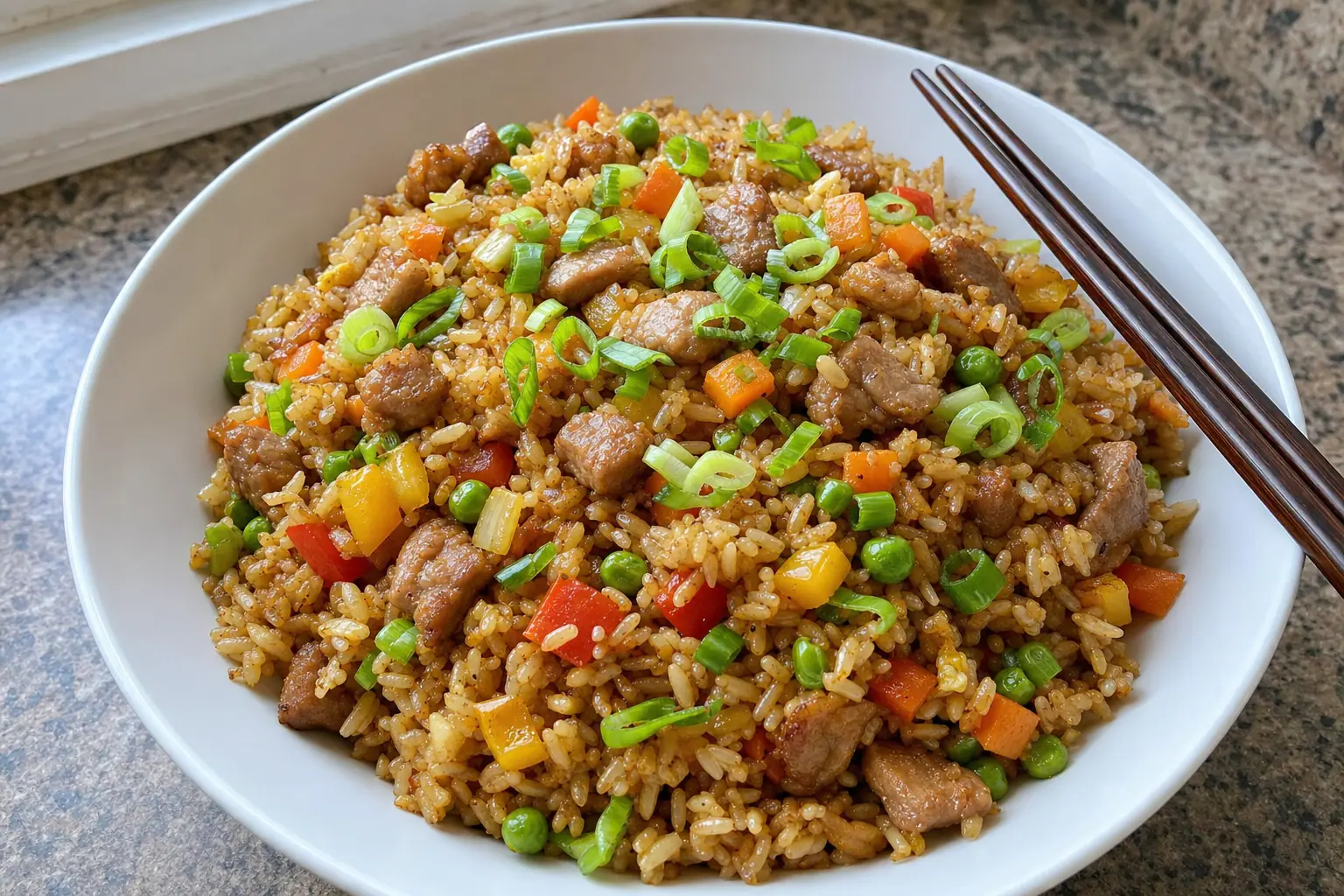
Pork Fried Rice
This pork fried rice is a fast, flexible dinner built for leftover rice and a hot skillet. Tender pork, eggs, vegetables, and soy sauce come together in one pan with plenty of savory flavor.
 Dinner
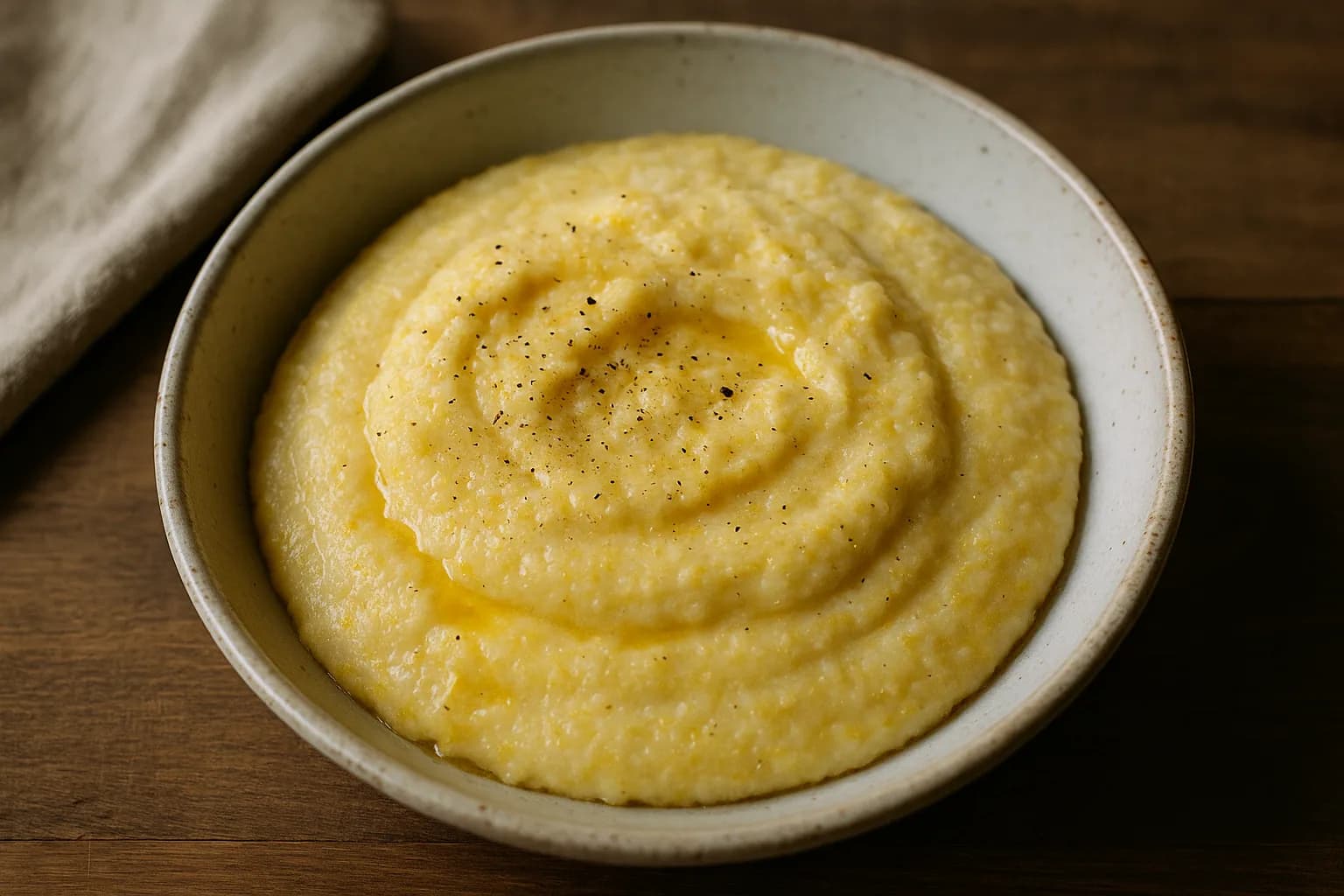
Creamy Polenta
Whip up this comforting and versatile dish in no time with just a few simple ingredients.
 Dinner
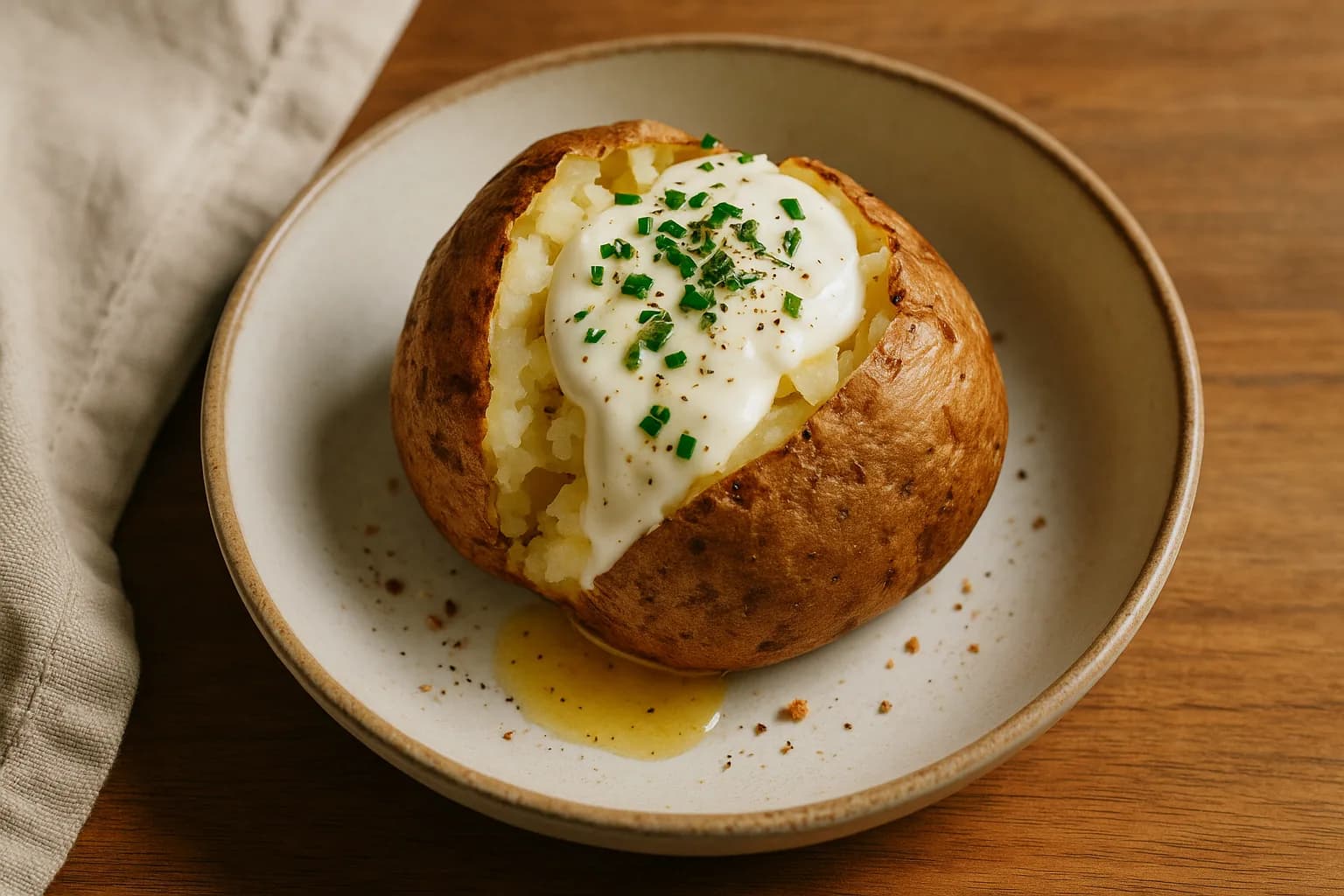
Perfectly Baked Potato
Master the art of making a classic baked potato with this simple guide.
 Dinner
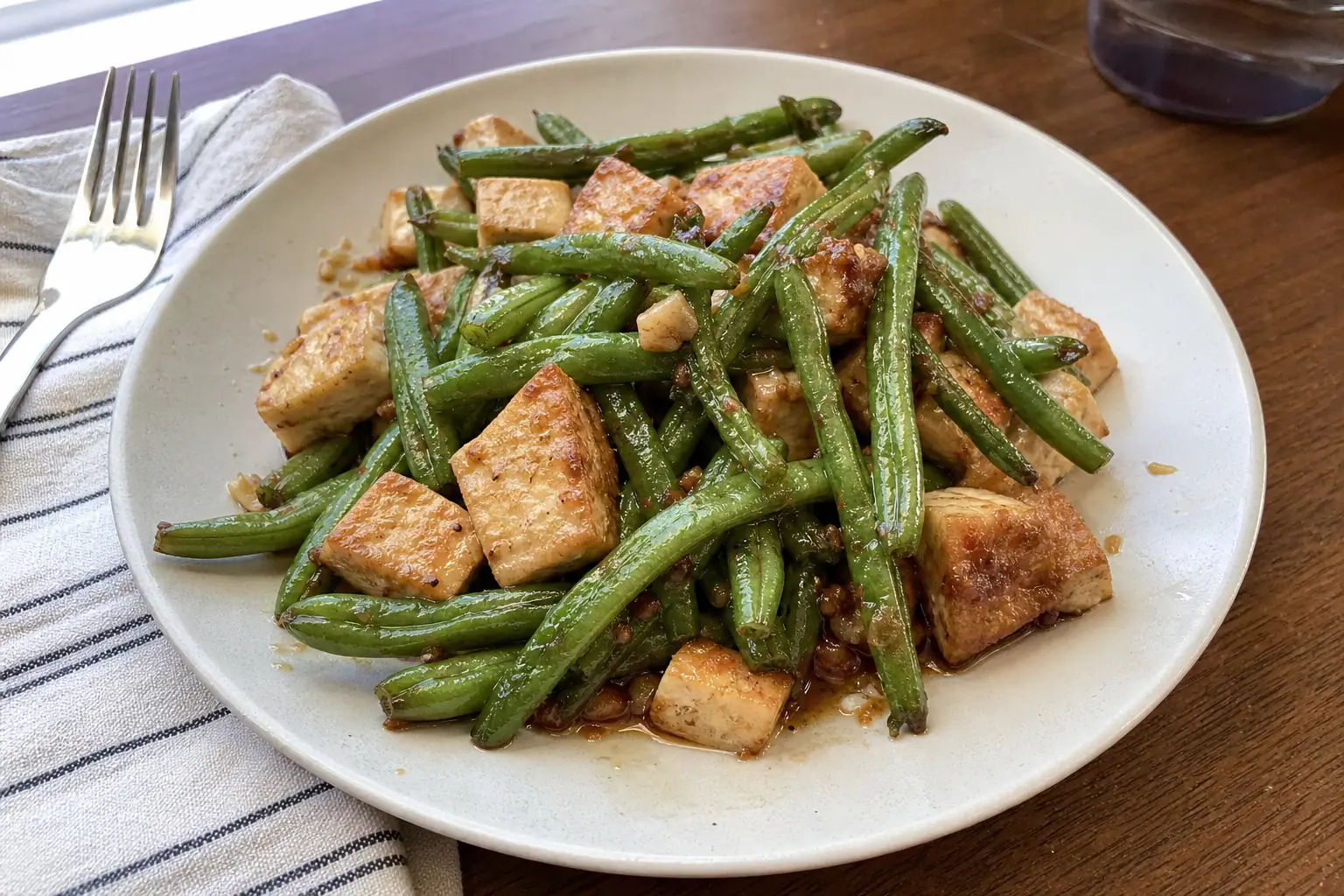
Stir-Fried String Beans with Tofu
Quick, healthy, and full of flavor—this dish is perfect for a busy weeknight dinner.