
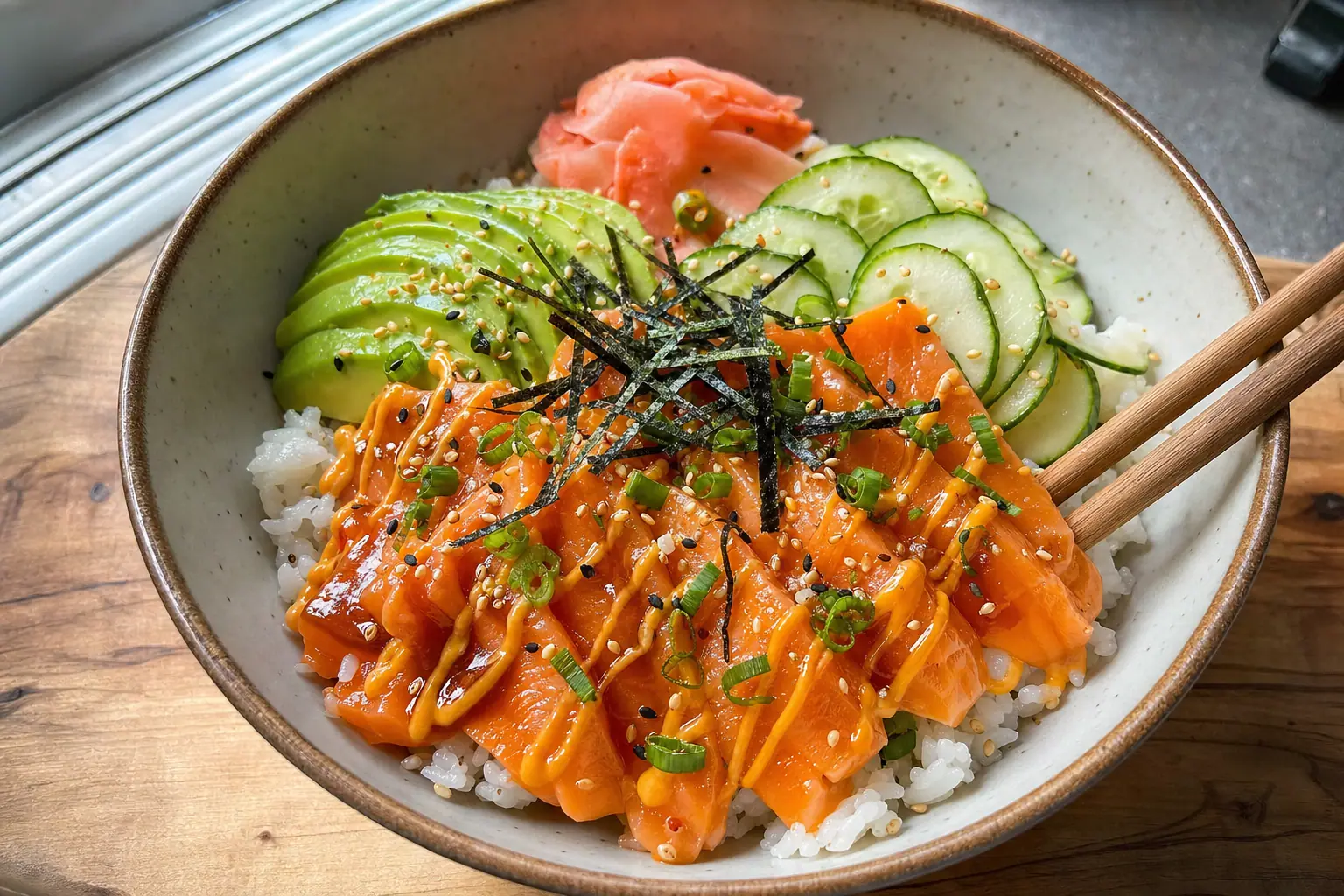
Salmon Sushi Bowl
This salmon sushi bowl gives you the flavors of a sushi roll in an easy, fork-friendly dinner. Tender roasted salmon, seasoned rice, crisp vegetables, nori, and a quick spicy sauce all land in one colorful bowl.
- Total time
- 50 min
- Yield
- 4 servings
- Difficulty
- Easy
Prep 20mCook 30mJapanese-inspiredMain Course
A salmon sushi bowl is a good way to enjoy sushi flavors at home without rolling anything. The rice is lightly seasoned with vinegar, sugar, and salt, then topped with cooked salmon and fresh, crunchy vegetables.
This version uses roasted salmon instead of raw fish, which makes it practical for a weeknight kitchen. You still get the familiar mix of soy sauce, sesame, nori, cucumber, avocado, and spicy mayo-style sauce.
Set out the toppings and let everyone build their own bowl. It is flexible, filling, and easy to adjust for picky eaters or what you already have in the fridge.
01What you'll need
Ingredients
20 items · 4 servings
- 1 1/4 cups sushi rice or short-grain white rice, rinsed until the water runs mostly clear
- 1 1/2 cups water
- 3 tablespoons unseasoned rice vinegar
- 2 teaspoons granulated sugar
- 1/2 teaspoon fine sea salt
- 1 pound skinless salmon fillet, cut into 4 portions
- 2 tablespoons reduced-sodium soy sauce, divided
- 1 teaspoon toasted sesame oil
- 1 teaspoon finely grated fresh ginger
- 1 cup diced cucumber
- 1 cup cooked shelled edamame, thawed if frozen
- 1 cup shredded carrot
- 1 medium avocado, diced
- 2 nori sheets, cut or torn into small strips
- 2 scallions, thinly sliced
- 2 teaspoons toasted sesame seeds
- 2 tablespoons mayonnaise
- 1 tablespoon sriracha, plus more to taste
- 1 teaspoon fresh lime juice
- 1 teaspoon water, or more as needed to thin the sauce
02How to make it
Step-by-step
1. Rinse the rice
Place the rice in a fine-mesh strainer and rinse under cool water, stirring with your fingers, until the water looks mostly clear. This removes extra starch so the rice cooks up tender instead of gummy.
2. Cook the rice
Combine the rinsed rice and 1 1/2 cups water in a small saucepan. Bring to a boil, then reduce the heat to low, cover, and cook for 15 minutes. Turn off the heat and let the rice rest, still covered, for 10 minutes.
3. Season the rice
While the rice rests, stir together the rice vinegar, sugar, and salt until the sugar mostly dissolves. Fluff the hot rice with a fork or rice paddle, then gently fold in the vinegar mixture. Keep the rice covered while you prepare the toppings.
4. Heat the oven
Preheat the oven to 400°F. Line a baking sheet with parchment paper or foil for easier cleanup.
5. Season the salmon
Place the salmon portions on the prepared baking sheet. Stir together 1 tablespoon soy sauce, toasted sesame oil, and grated ginger. Spoon this mixture over the salmon.
6. Roast the salmon
Bake the salmon for 10 to 14 minutes, depending on thickness, until it flakes easily with a fork and reaches 145°F in the thickest part. Let it rest for 2 minutes, then break it into large flakes.
7. Make the spicy sauce
In a small bowl, stir together the mayonnaise, sriracha, lime juice, and water. Add another teaspoon of water if you want a thinner drizzle.
8. Build the bowls
Divide the seasoned rice among 4 bowls. Top with salmon, cucumber, edamame, carrot, avocado, nori, scallions, and sesame seeds. Drizzle with the spicy sauce and the remaining 1 tablespoon soy sauce, or serve the soy sauce on the side.
03From our kitchen
Cook's tips
- Make-ahead: Cook the rice and salmon up to 1 day ahead. Store them in separate airtight containers. For the best texture, cut the avocado and nori just before serving.
- Storage: Refrigerate leftovers in airtight containers for up to 2 days. Keep the sauce and nori separate if possible so the nori stays crisp.
- To reheat: Warm the rice and salmon gently in the microwave at 50% power. Add the cucumber, avocado, nori, and sauce after reheating.
- Salmon swap: Use cooked shrimp, canned salmon, canned tuna, tofu, or a fried egg. If using canned fish, drain it well and season lightly with soy sauce and sesame oil.
- Rice swap: Short-grain rice gives the most sushi-like texture, but jasmine rice, brown rice, or cauliflower rice can work. Brown rice will take longer to cook.
- Lower spice: Use less sriracha, or replace part of it with ketchup for a milder sauce that still has a little tang.
Cook's note
This recipe uses cooked salmon for food safety and convenience. If you want to use raw salmon, buy fish specifically labeled sushi-grade or previously frozen for raw use from a trusted fishmonger, keep it very cold, and eat it the same day.
04Frequently asked
Questions & answers
Can I use raw salmon in this sushi bowl?
Yes, but only if it is sold for raw use, such as sushi-grade salmon, and you trust the source. Keep it refrigerated until the last minute and eat it right away. For everyday cooking, roasted salmon is the safer and easier choice.
What kind of rice is best for a salmon sushi bowl?
Sushi rice or short-grain white rice works best because it is slightly sticky and holds the vinegar seasoning well. Medium-grain rice can also work. Long-grain rice will be fluffier and less like sushi rice, but it is still fine for a bowl.
Can I serve this cold?
Yes. The bowl is good warm, room temperature, or chilled. If serving cold, cool the rice quickly and refrigerate it. Cold rice firms up, so you may want to sprinkle it with a teaspoon or two of water before serving.
How do I know when the salmon is done?
The safest way is to use an instant-read thermometer. The thickest part should reach 145°F. Without a thermometer, the salmon should look opaque and flake apart easily with a fork.
Can I make this gluten-free?
Yes. Use gluten-free tamari instead of soy sauce, and check the labels on the sriracha, nori, and mayonnaise to make sure they are gluten-free.
05Per serving
Nutrition facts
Nutrition Facts
4 servings
Amount per serving
% Daily Value*
- Total Fat30 g
- 38%
- Saturated Fat6 g
- 30%
- Cholesterol66 mg
- 22%
- Sodium816 mg
- 35%
- Total Carbohydrate65 g
- 24%
- Dietary Fiber8 g
- 29%
- Total Sugars6 g
- Protein35 g
- 70%
- Vitamin D12 mcg
- 62%
- Calcium78 mg
- 6%
- Iron2.5 mg
- 14%
- Potassium1033 mg
- 22%
* Percent Daily Values are based on a 2,000-calorie diet.
05Keep cooking
You might also like
 Main Course
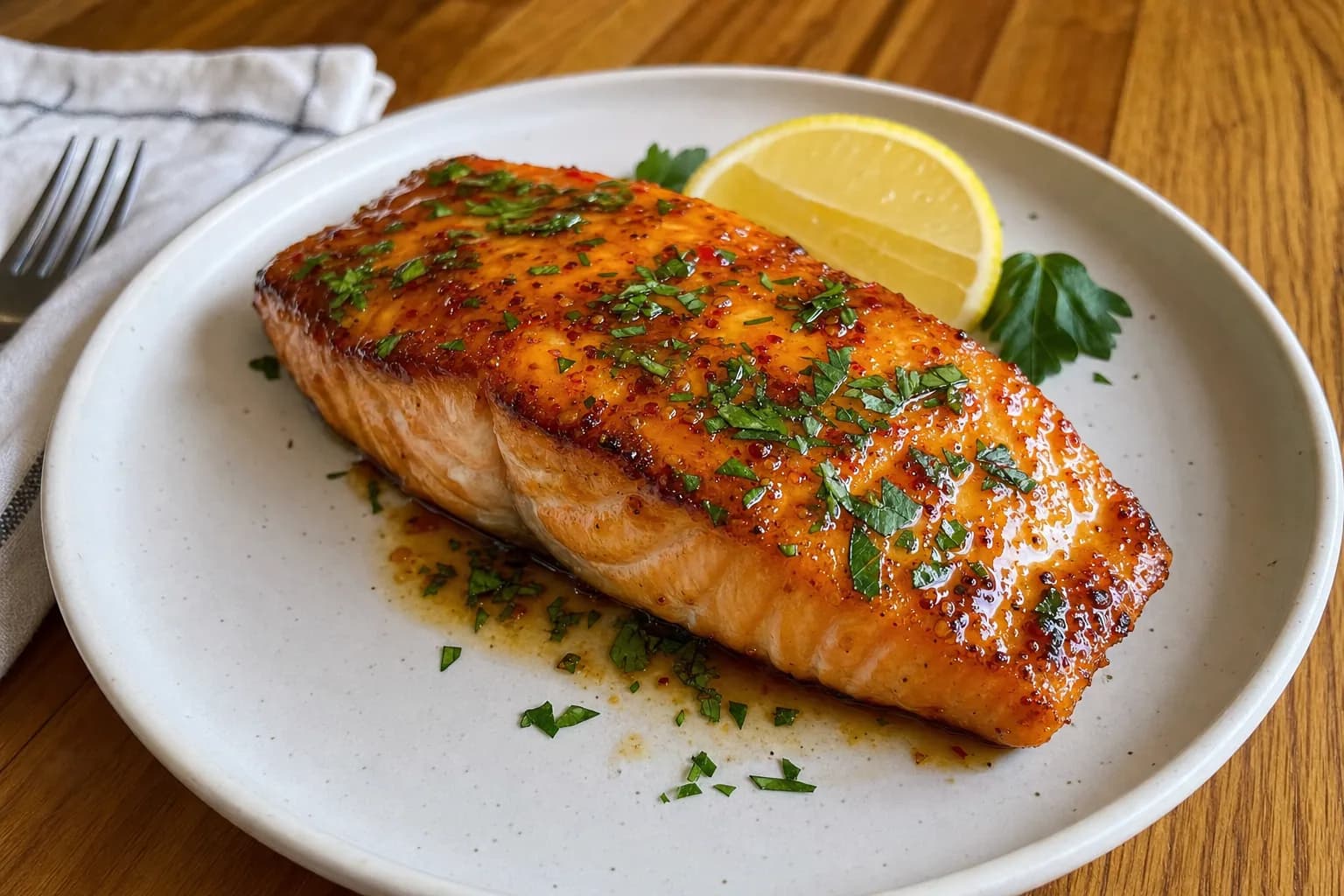
Hot Honey Salmon
This hot honey salmon is sweet, spicy, and weeknight-friendly. The glaze goes on near the end of baking, so it turns glossy without burning.
 Main Course
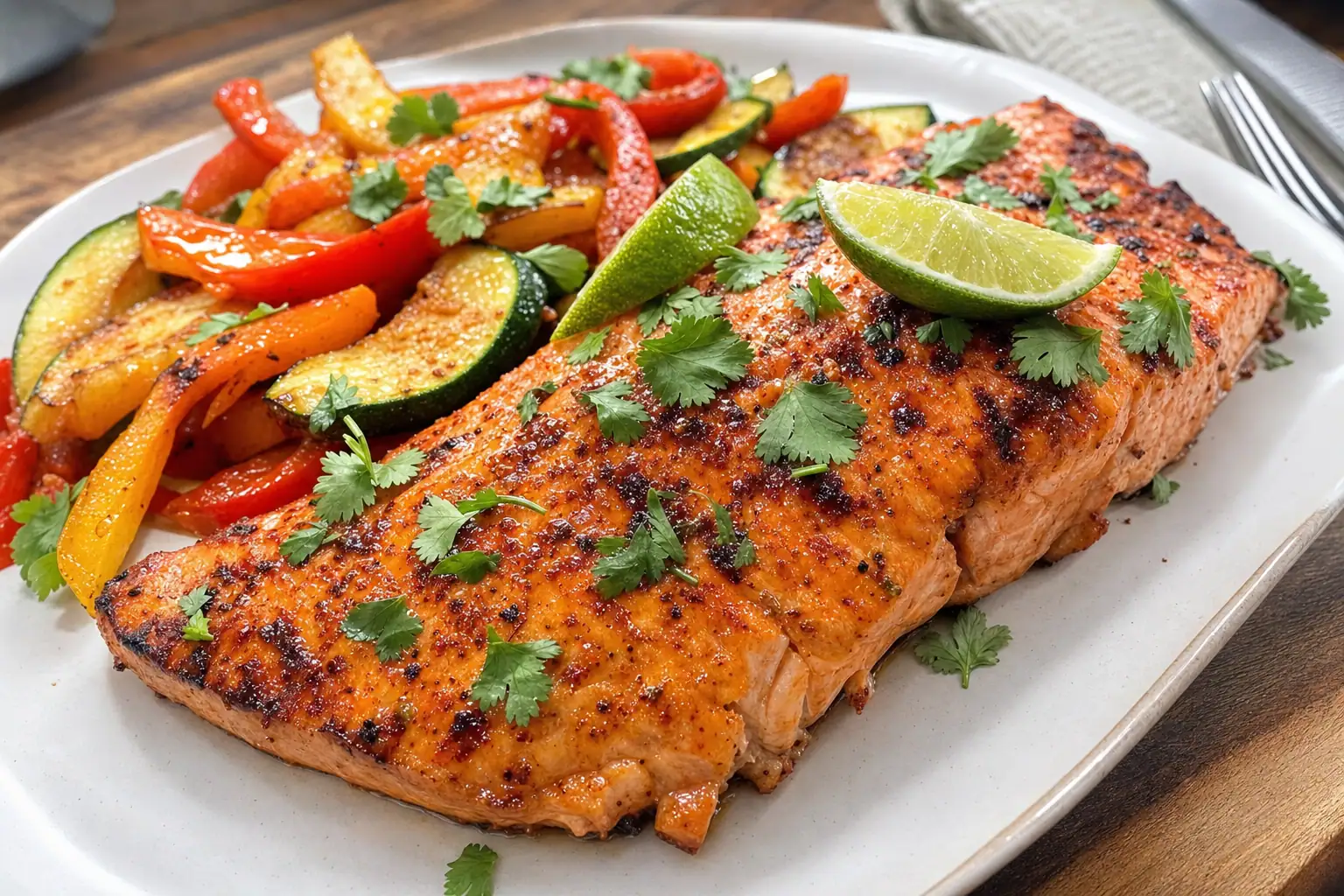
Chili Lime Salmon
This chili lime salmon is bright, lightly spicy, and ready fast enough for a weeknight. A simple glaze of lime, honey, garlic, and chili powder gives the fish a glossy finish without much work.
 Main Course
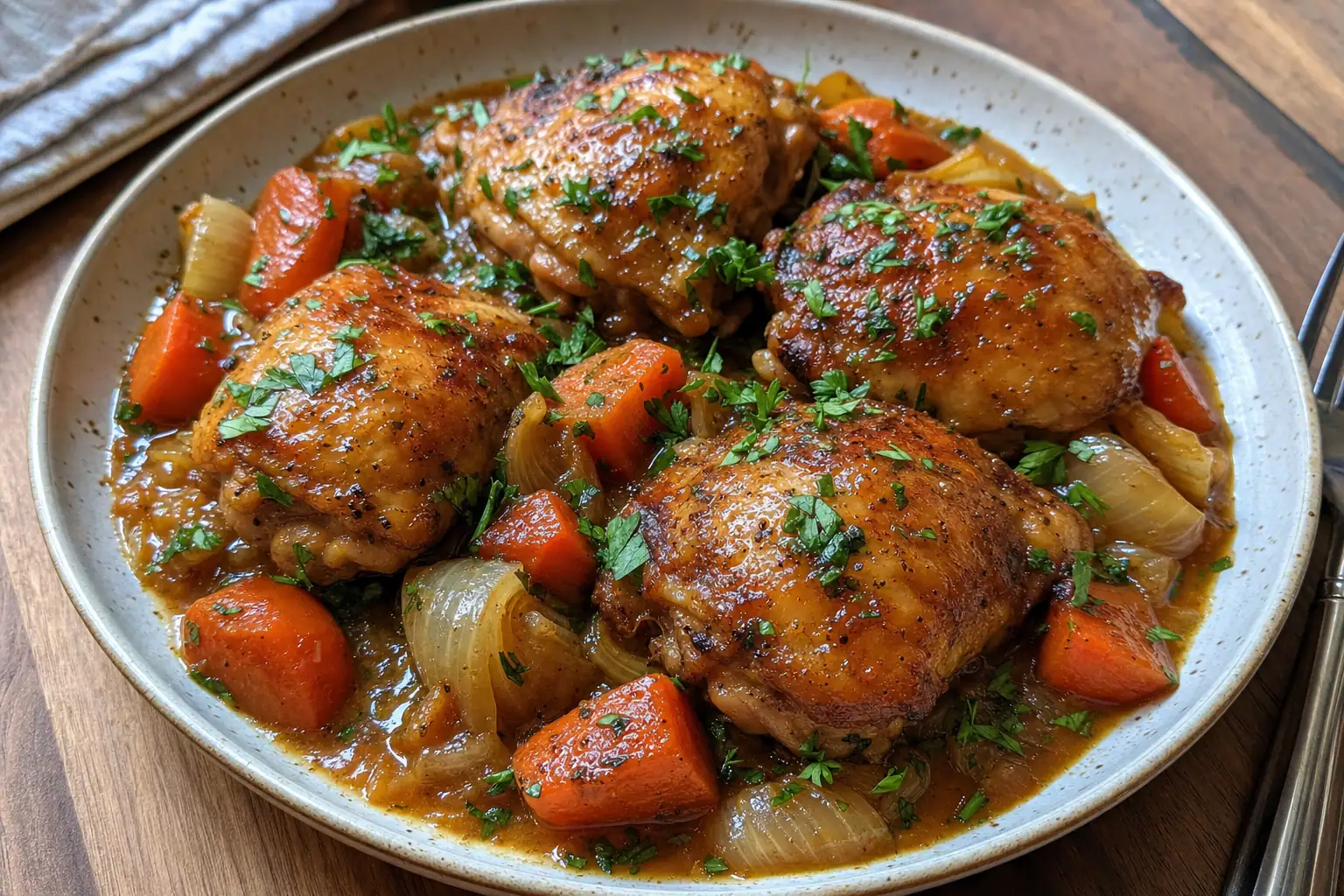
Braised Chicken with Carrots, Onion, and Thyme
This cozy braised chicken cooks low and slow in a savory pan sauce until the meat is tender and the vegetables are sweet. It is simple enough for a weeknight, but feels special enough for Sunday dinner.
 Main Course
Panang Curry
This Thai-style panang curry is rich, gently spicy, and weeknight-friendly thanks to store-bought curry paste. Chicken, coconut milk, green beans, and bell pepper simmer into a creamy sauce that is made for spooning over