
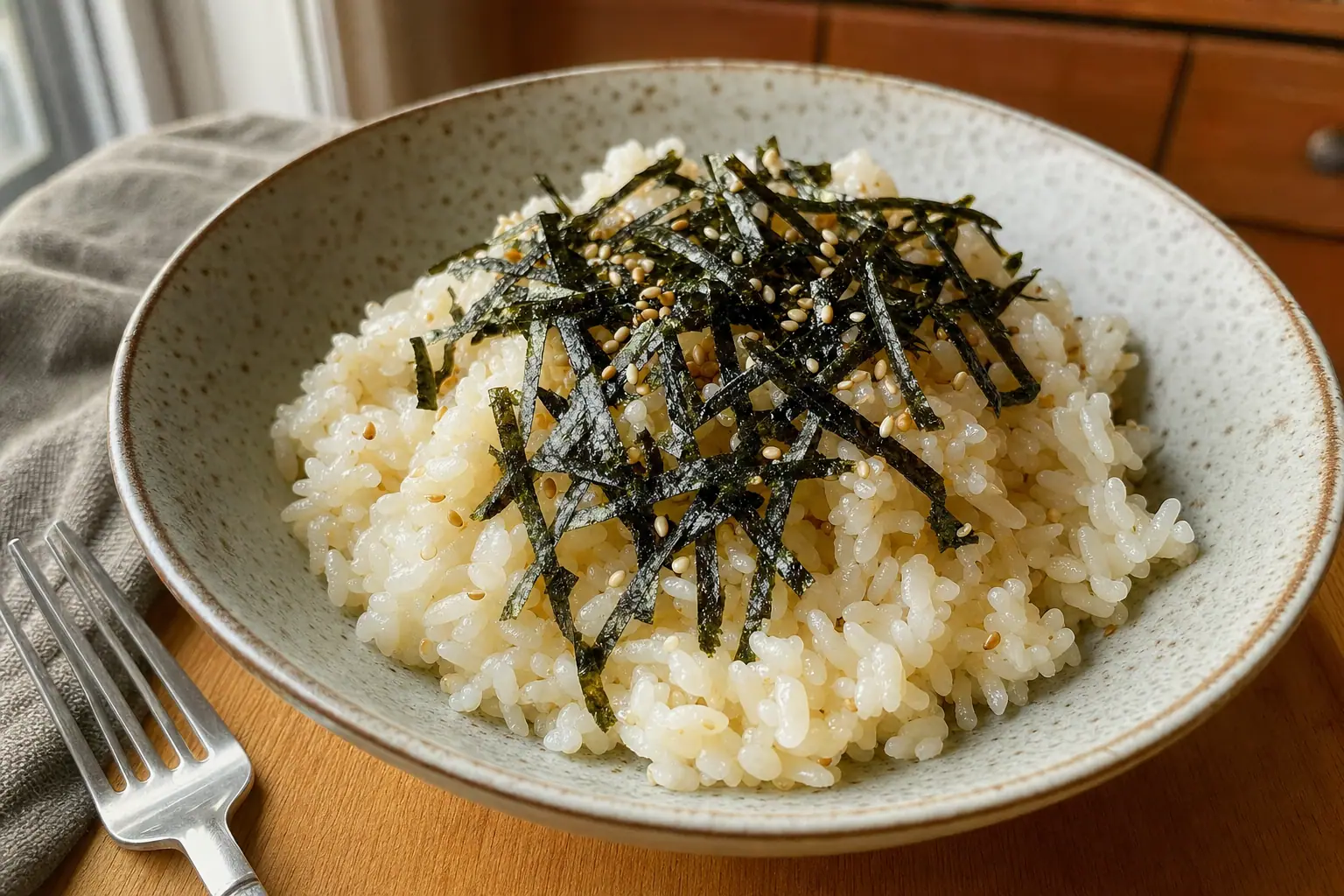
Sushi Rice
Glossy, gently seasoned sushi rice is the base for homemade rolls, hand rolls, rice bowls, and onigiri. The key is rinsing the rice well, cooking it evenly, then folding in the vinegar seasoning while the rice is still a
Total
60 min
Servings
Makes about 5 cups cooked rice, enoughw
Level
Easy
Sushi rice is not just plain cooked rice. It is Japanese short-grain rice seasoned with a simple mix of rice vinegar, sugar, and salt. The grains should be tender, shiny, and a little sticky, so they hold together without turning mushy.
This recipe uses a stovetop method, so you do not need a rice cooker. Rinsing and resting the rice take a little time, but the hands-on work is simple.
Use the rice for sushi rolls, poke-style bowls, hand rolls, or little rice balls. For the nicest texture, season it while hot and use it while it is warm or at room temperature.
01What you'll need
Ingredients
6 items · Makes about 5 cups cooked rice, enoughw
- 2 cups Japanese short-grain white rice, sometimes labeled sushi rice
- 2 cups water, plus more for rinsing
- 1 small piece kombu, about 3 inches square, optional
- 1/3 cup unseasoned rice vinegar
- 2 tablespoons granulated sugar
- 1 1/2 teaspoons kosher salt
02How to make it
Step-by-step
1. Rinse the rice
Put the rice in a medium bowl and cover it with cool water. Swirl the grains gently with your hand, then pour off the cloudy water. Repeat 4 to 6 times, until the water is much clearer. This removes extra surface starch, which helps the rice cook up glossy instead of gummy.
2. Drain and rest
Pour the rinsed rice into a fine-mesh sieve and let it drain for 20 to 30 minutes. The grains should look a little more opaque. This short rest helps the rice absorb water evenly as it cooks.
3. Cook the rice
Add the drained rice and 2 cups water to a medium saucepan with a tight-fitting lid. Add the kombu, if using. Bring to a gentle boil over medium heat. Once it boils, cover the pan, reduce the heat to low, and cook for 15 minutes. Do not lift the lid while it cooks.
4. Rest the cooked rice
Turn off the heat and let the covered pan stand for 10 minutes. This finishes steaming the rice and helps the grains settle. Remove and discard the kombu, if you used it.
5. Make the seasoning
While the rice rests, combine the rice vinegar, sugar, and salt in a small saucepan. Warm over low heat, stirring just until the sugar and salt dissolve. Do not boil it. You can also microwave the mixture in short bursts and stir until clear.
6. Season the rice
Transfer the hot rice to a wide bowl, baking dish, or wooden sushi tub if you have one. Sprinkle the vinegar seasoning evenly over the rice. Use a rice paddle or spatula to fold and cut through the rice with gentle strokes. Try not to mash the grains.
7. Cool to warm
Spread the rice slightly as you fold it, letting steam escape. If you can, fan it for a few minutes to help it turn glossy. Cover the finished sushi rice with a clean damp towel and use it while it is warm or at room temperature.
03From our kitchen
Cook's tips
- Use the right rice: Japanese short-grain white rice gives the correct sticky texture. Medium-grain rice can work in a pinch, but long-grain rice, jasmine rice, or basmati will not hold together the same way.
- Do not use seasoned rice vinegar unless you adjust the recipe. Seasoned rice vinegar already contains sugar and salt, so the rice may become too sweet or too salty.
- Rice cooker method: After rinsing and draining, cook the rice with water according to your rice cooker’s white rice setting. Then season it the same way while hot.
- Make-ahead note: Sushi rice is at its nicest the day it is made. You can cook the rice a few hours ahead, season it, and keep it covered with a damp towel at room temperature for up to 2 hours before serving.
- Storage: Cooked rice should not sit out for long periods. Refrigerate leftovers in an airtight container within 2 hours. The rice will firm up in the fridge, but it is still good for bowls or fried rice.
- To refresh refrigerated sushi rice: Sprinkle with a teaspoon or two of water, cover loosely, and microwave in short bursts until just warm. Let it cool slightly before shaping sushi rolls, so it is not hot against raw fish or vegetables.
Cook's note
Kombu is dried kelp. It adds a subtle savory flavor, but the rice will still be good without it. If you are new to sushi making, focus first on rinsing well and folding gently; those two steps make the biggest difference.
04Frequently asked
Questions & answers
Can I make sushi rice without a rice cooker?
Yes. This stovetop method works well as long as you use a saucepan with a tight lid and keep the heat low after the rice comes to a boil. Do not lift the lid during cooking or resting.
Why is my sushi rice mushy?
It may have too much water, too much stirring, or not enough rinsing. Rinse until the water is much less cloudy, drain the rice before cooking, and fold in the seasoning gently instead of stirring hard.
Can I use regular white rice for sushi rice?
For the right texture, use Japanese short-grain white rice labeled sushi rice. Regular long-grain white rice will cook into separate grains and will not stick together well for rolls or rice balls.
Should sushi rice be hot or cold when I use it?
Use sushi rice warm or at room temperature. Hot rice can make fillings wilt or warm raw fish. Cold rice from the fridge becomes firm and harder to shape.
Can I reduce the sugar?
Yes. You can reduce the sugar to 1 tablespoon for a less sweet rice. The flavor will be sharper and more vinegar-forward, but it will still work.
05Keep cooking
You might also like
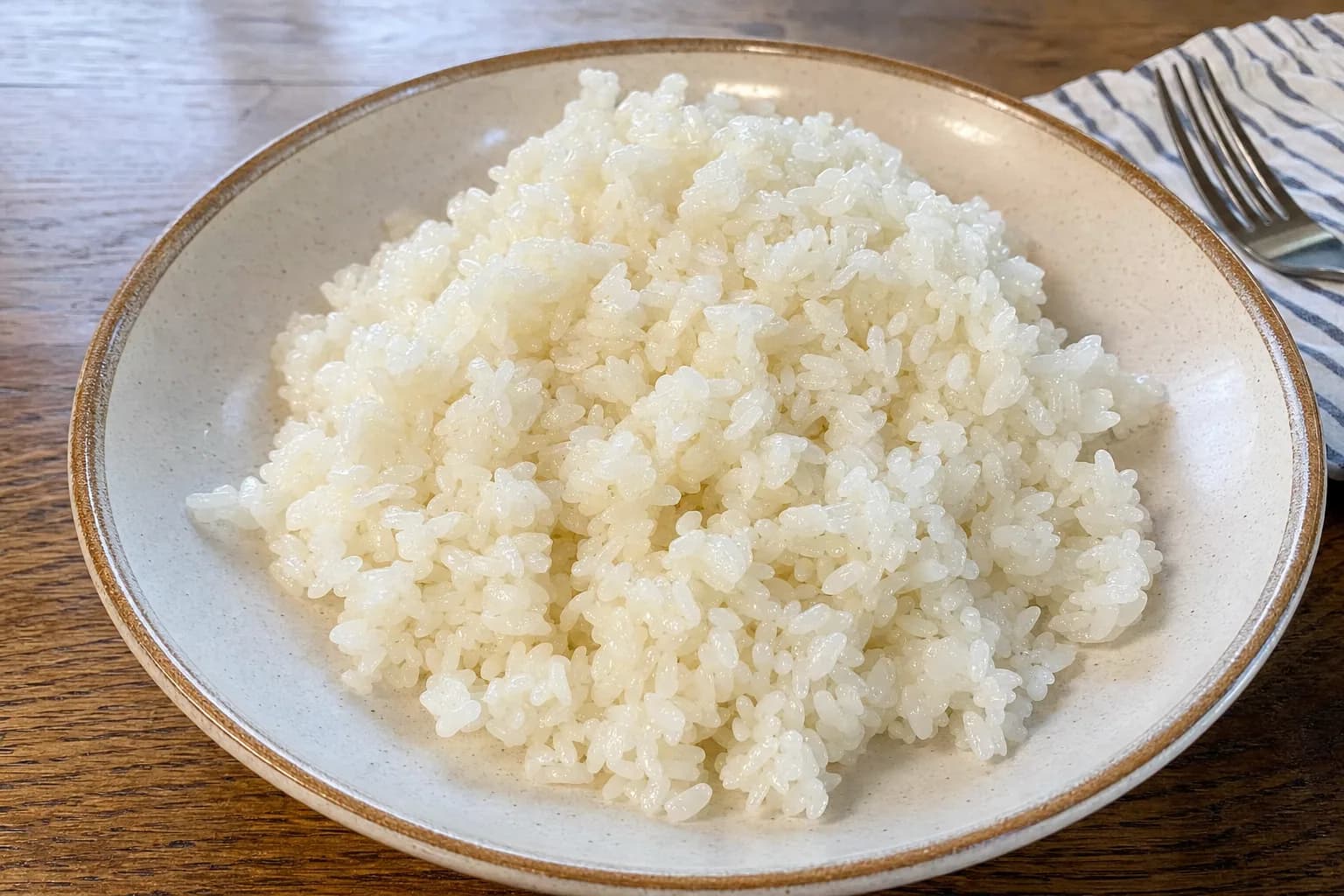 Salads & sides
Sushi Rice
Good sushi starts with properly seasoned rice. This simple method gives you glossy, lightly sticky grains with a gentle sweet-tangy flavor for rolls, bowls, and hand-shaped sushi.
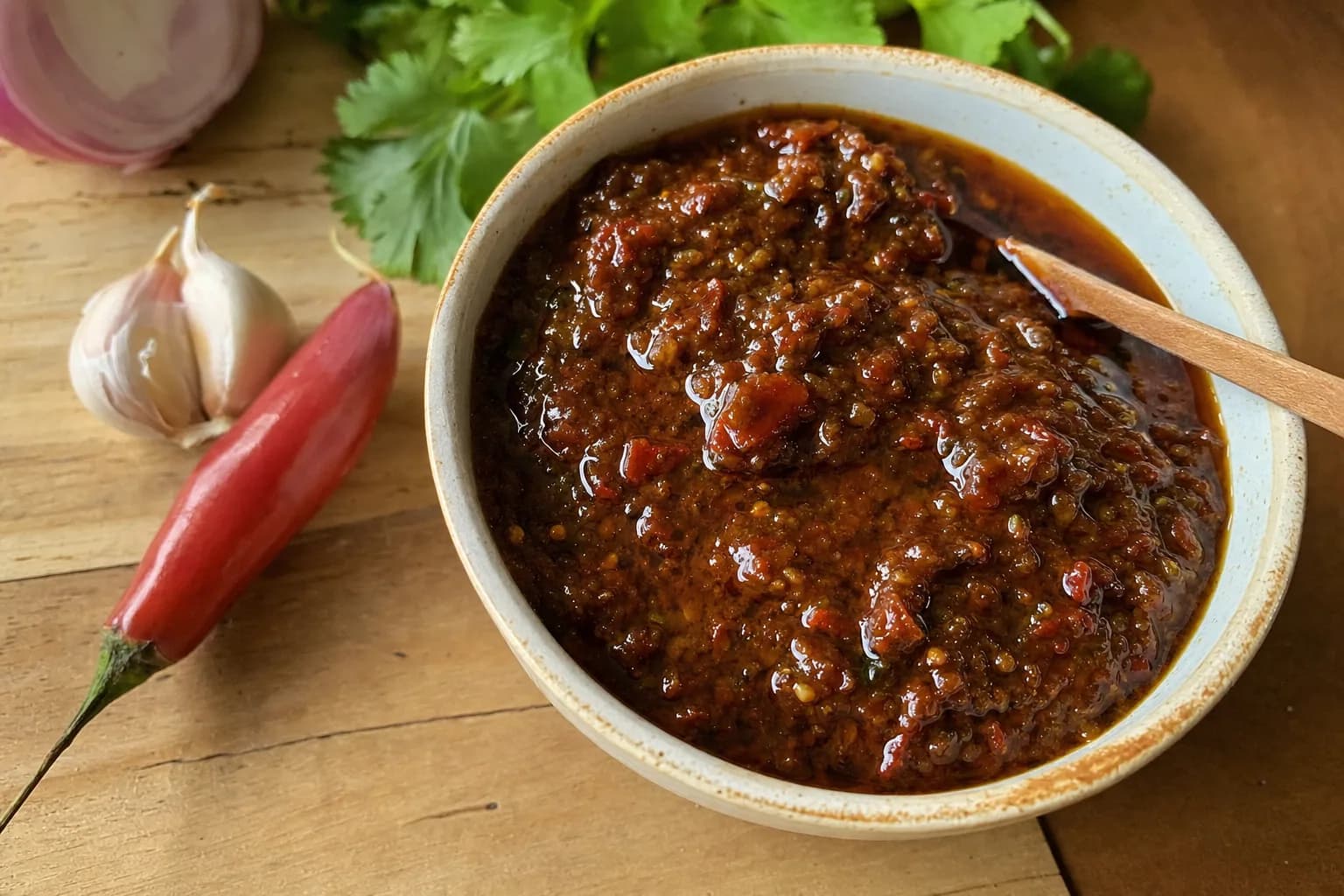 Salads & sides
Eel Sauce
This glossy Japanese-style eel sauce is sweet, salty, and simple to make at home. Spoon it over sushi bowls, grilled fish, rice, tofu, or vegetables.
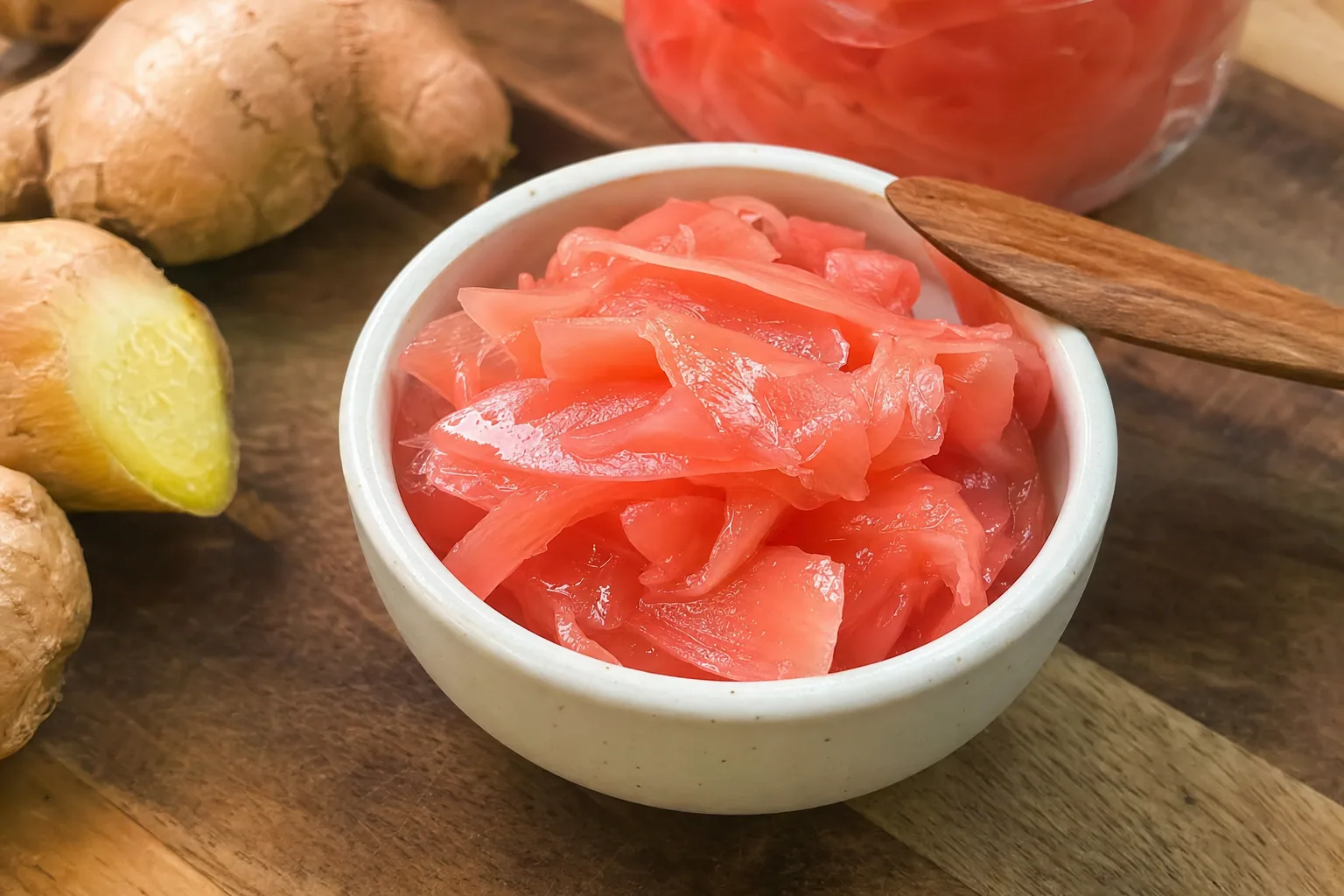 Salads & sides
Pickled Ginger
Make crisp, tangy pickled ginger at home with fresh ginger, rice vinegar, sugar, and salt. It is a bright little side for sushi, rice bowls, noodles, and grilled fish.
 Salads & sides
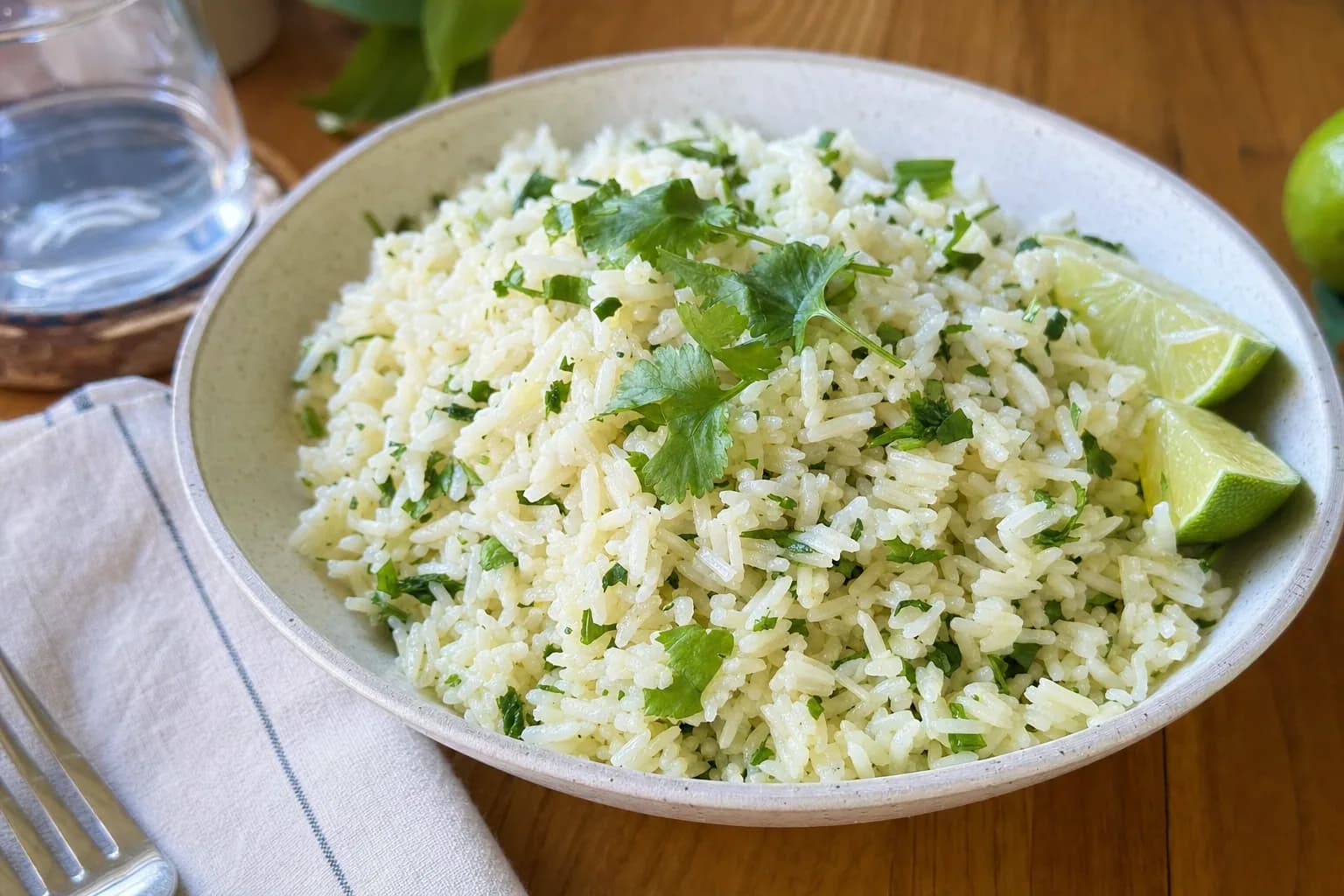
Cilantro Lime Rice
Fluffy long-grain rice gets a bright finish from fresh lime juice, lime zest, and chopped cilantro. Serve it with tacos, beans, grilled chicken, roasted vegetables, or anything that needs a fresh side.