
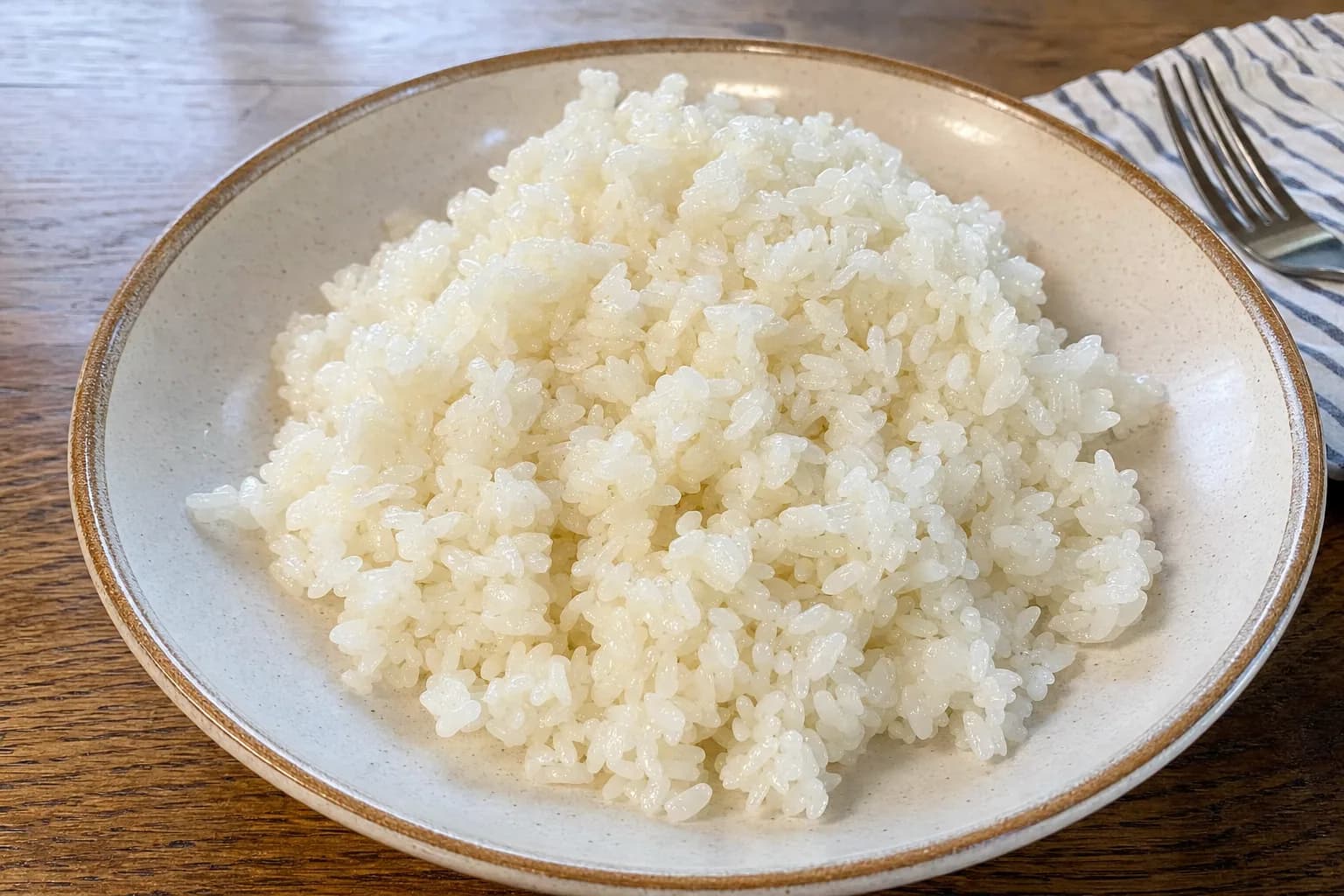
Sushi Rice
Good sushi starts with properly seasoned rice. This simple method gives you glossy, lightly sticky grains with a gentle sweet-tangy flavor for rolls, bowls, and hand-shaped sushi.
Total
60 min
Servings
Makes about 4 cups, enough for 4 sushi/c
Level
Easy
Sushi rice is not just plain rice. It is Japanese short-grain rice cooked until tender, then seasoned while warm with rice vinegar, sugar, and salt. The result should taste balanced, not sharp or sugary.
You can use this rice for sushi rolls, onigiri-style snacks, poke-style bowls, or a simple side with vegetables and fish. The most important steps are rinsing the rice well, letting it rest, and folding in the seasoning gently so the grains stay whole.
A wooden sushi tub called a hangiri is traditional, but you do not need one. A wide glass, ceramic, or nonstick bowl works well at home.
01What you'll need
Ingredients
6 items · Makes about 4 cups, enough for 4 sushi/c
- 2 cups Japanese short-grain white rice, also sold as sushi rice
- 2 cups water, plus more for rinsing
- 1 piece kombu, about 3 inches long, optional
- 1/3 cup unseasoned rice vinegar
- 2 tablespoons granulated sugar
- 1 1/2 teaspoons fine sea salt
02How to make it
Step-by-step
1. Rinse the rice
Place the rice in a bowl and cover it with cold water. Swish the grains gently with your hand, then pour off the cloudy water. Repeat 4 to 6 times, until the water is much less cloudy. This removes extra surface starch so the rice is sticky but not gluey.
2. Soak and drain
Cover the rinsed rice with fresh cold water and let it soak for 20 to 30 minutes. Drain well in a fine-mesh sieve for 5 minutes. Soaking helps the grains cook evenly from the center to the outside.
3. Cook the rice
Add the drained rice and 2 cups water to a rice cooker. Add the kombu, if using, and cook on the white rice setting. For the stovetop, put the rice, water, and kombu in a medium saucepan. Bring to a boil, cover, reduce the heat to low, and cook for 15 minutes. Turn off the heat and let it rest, still covered, for 10 minutes. Do not lift the lid during the rest.
4. Make the vinegar seasoning
While the rice cooks, combine the rice vinegar, sugar, and salt in a small saucepan. Warm over low heat, stirring, just until the sugar and salt dissolve. Do not boil it. Let the seasoning cool slightly.
5. Prepare a wide bowl
Lightly dampen a wide bowl and a rice paddle or spatula with water. This keeps the rice from sticking too much. If you used kombu, remove and discard it before mixing the rice.
6. Season and fold
Transfer the hot rice to the bowl and drizzle the vinegar seasoning evenly over the top. Use the paddle to cut through and fold the rice, lifting and turning it rather than mashing it. Keep going until the seasoning is evenly mixed and the rice looks glossy.
7. Cool the rice
Spread the rice into an even layer in the bowl. Fan it with a paper fan, cutting board, or clean piece of cardboard for a few minutes while folding once or twice. Stop when the rice is warm, not hot. Cover it with a clean damp towel until you are ready to use it.
8. Shape or serve
Use the sushi rice the same day for rolls, hand rolls, nigiri, or bowls. Keep a small bowl of water nearby and dampen your hands or spoon before handling the rice so it does not stick.
03From our kitchen
Cook's tips
- Use Japanese short-grain white rice for the right texture. Medium-grain rice can work in a pinch, but long-grain rice such as jasmine or basmati will not stick properly.
- Use unseasoned rice vinegar. If you only have seasoned rice vinegar, reduce the sugar and salt by about half, then taste and adjust.
- Make-ahead note: Sushi rice tastes and feels best the day it is made. You can cook and season it up to 2 hours before serving. Keep it covered with a damp towel at room temperature, then use it promptly.
- Storage: For food safety, refrigerate leftovers within 2 hours. Cold sushi rice becomes firm, but you can rewarm it gently in the microwave with a damp paper towel. It will be better for bowls than for neat sushi rolls.
- If the rice seems too wet, spread it out a little longer and let more steam escape while you fold it gently. If it seems dry, sprinkle over 1 to 2 teaspoons warm water and fold carefully.
- For a less sweet version, reduce the sugar to 1 tablespoon. For a slightly brighter flavor, add another 1 to 2 teaspoons rice vinegar.
Cook's note
The water amount can vary a little by rice brand and cooker. If your rice cooker has marked lines for sushi or white rice, use the line for 2 cups of rice after rinsing. If your finished rice is consistently too soft, reduce the water by 1 to 2 tablespoons next time.
04Frequently asked
Questions & answers
Can I make sushi rice without a rice cooker?
Yes. Use a saucepan with a tight-fitting lid. Bring the rice and water to a boil, cover, cook on low for 15 minutes, then let it rest off the heat for 10 minutes without opening the lid.
Why do I need to rinse sushi rice?
Rinsing removes loose starch from the outside of the grains. Without rinsing, the rice can turn gummy and heavy instead of glossy and tender.
Can I use brown rice for sushi rice?
You can season short-grain brown rice with the same vinegar mixture, but it will be chewier and less sticky. Cook it according to the package directions, then season it while it is still warm.
Should sushi rice be served hot or cold?
It should be warm or at room temperature, not hot and not fridge-cold. Hot rice can make nori sheets wilt, while cold rice becomes firm and hard to shape.
What can I use if I do not have kombu?
Simply leave it out. Kombu adds a subtle savory flavor, but the rice will still be delicious with just the vinegar seasoning.
05Keep cooking
You might also like
 Salads & sides
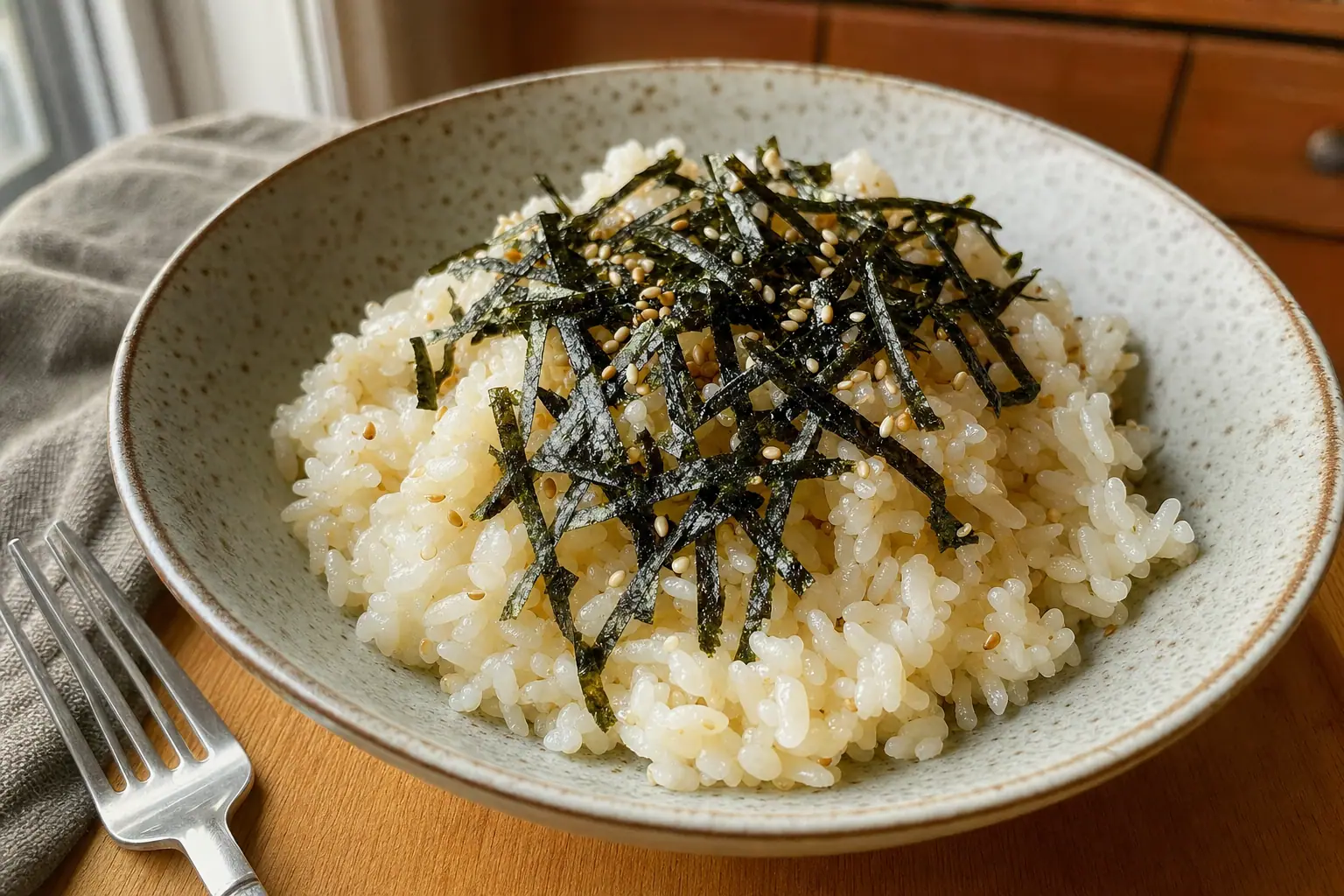
Sushi Rice
Glossy, gently seasoned sushi rice is the base for homemade rolls, hand rolls, rice bowls, and onigiri. The key is rinsing the rice well, cooking it evenly, then folding in the vinegar seasoning while the rice is still a
 Salads & sides
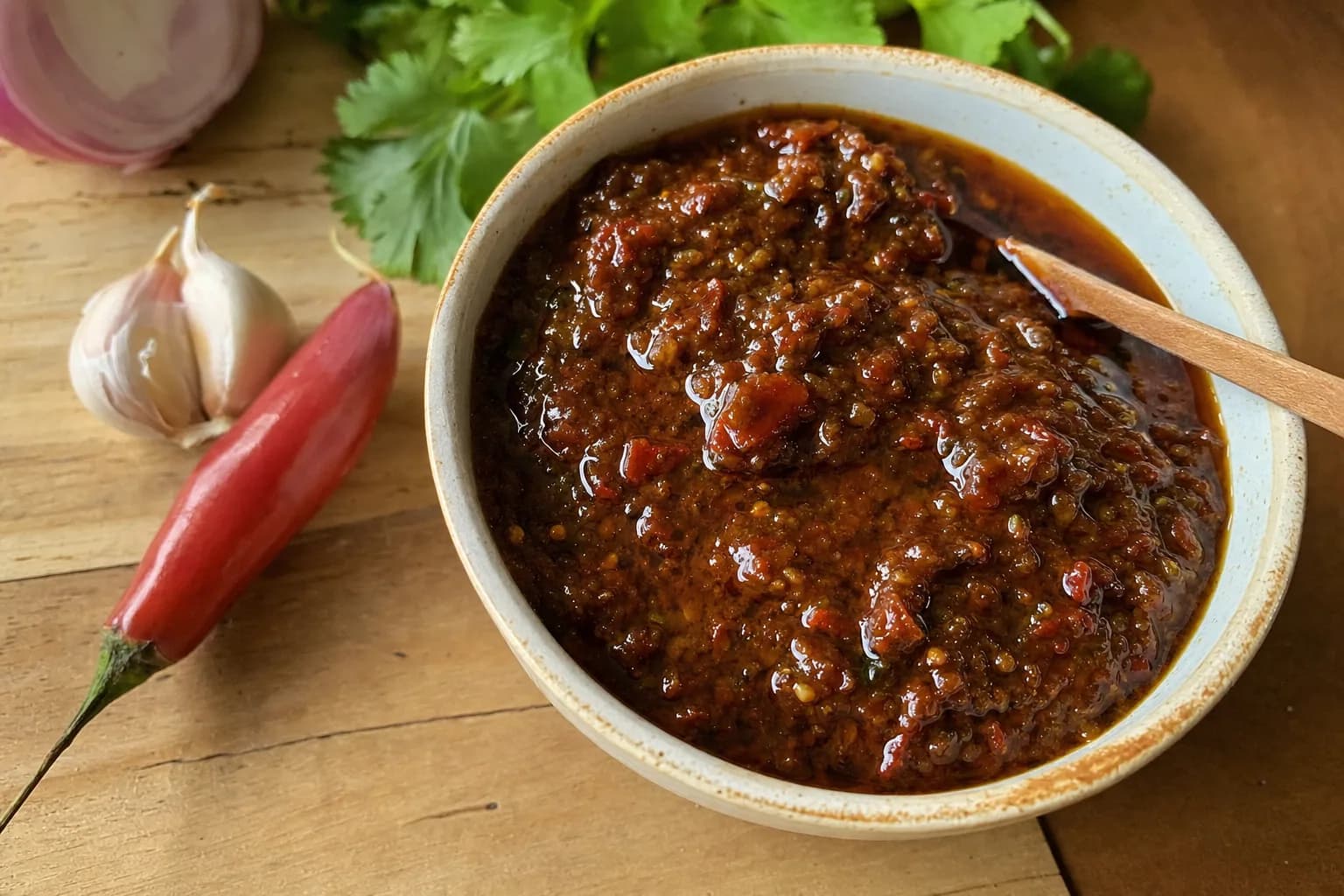
Eel Sauce
This glossy Japanese-style eel sauce is sweet, salty, and simple to make at home. Spoon it over sushi bowls, grilled fish, rice, tofu, or vegetables.
 Salads & sides
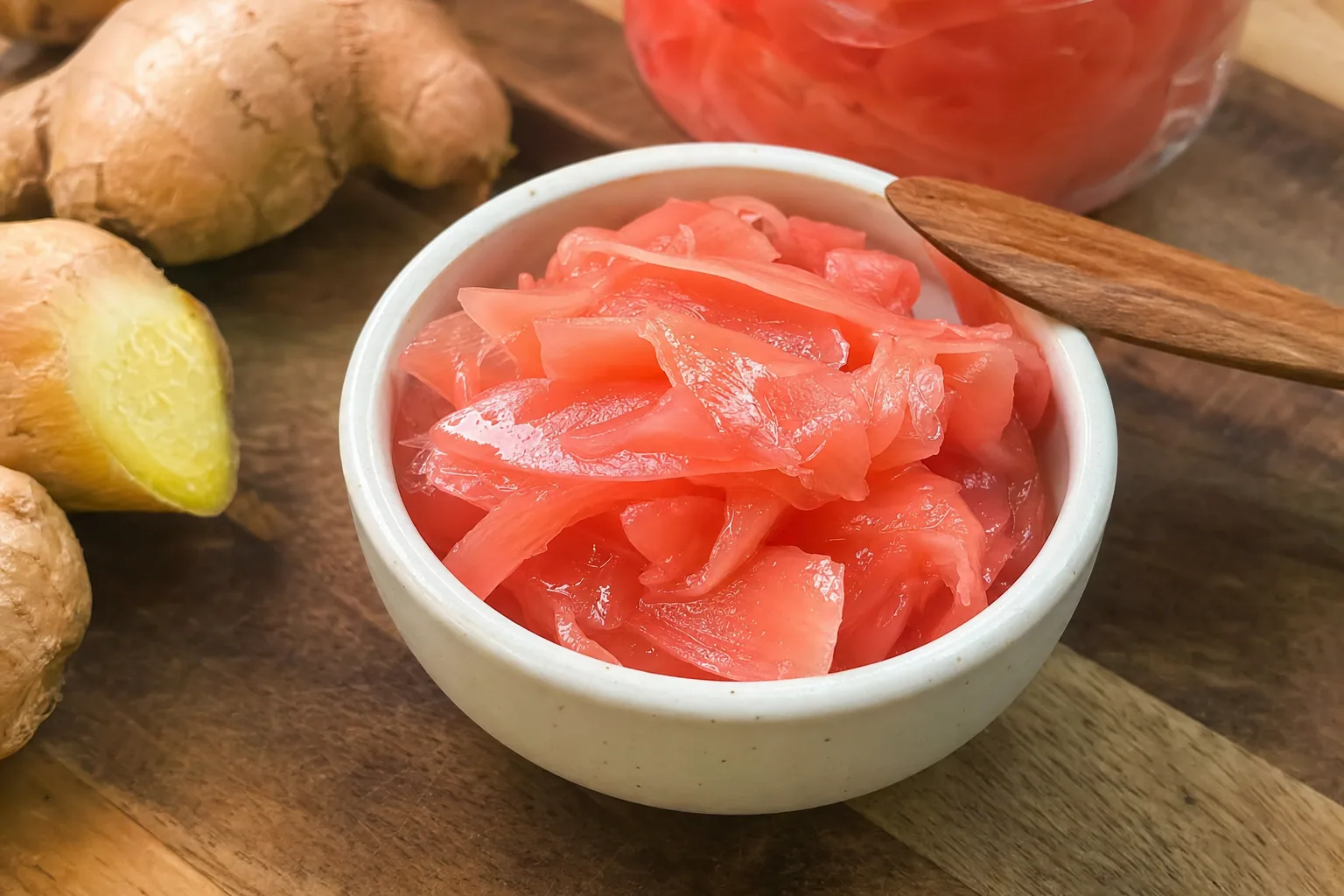
Pickled Ginger
Make crisp, tangy pickled ginger at home with fresh ginger, rice vinegar, sugar, and salt. It is a bright little side for sushi, rice bowls, noodles, and grilled fish.
 Salads & sides
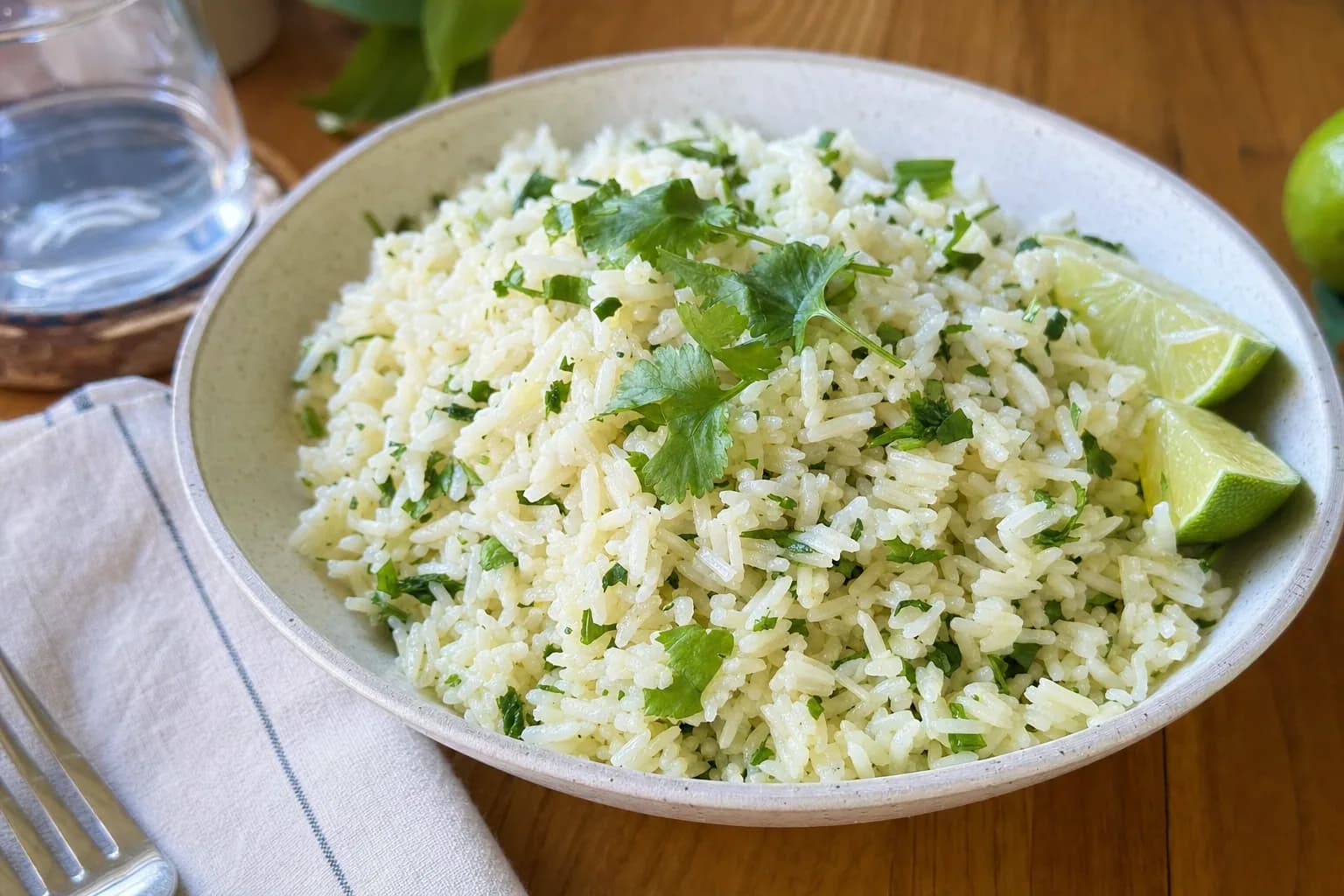
Cilantro Lime Rice
Fluffy long-grain rice gets a bright finish from fresh lime juice, lime zest, and chopped cilantro. Serve it with tacos, beans, grilled chicken, roasted vegetables, or anything that needs a fresh side.