
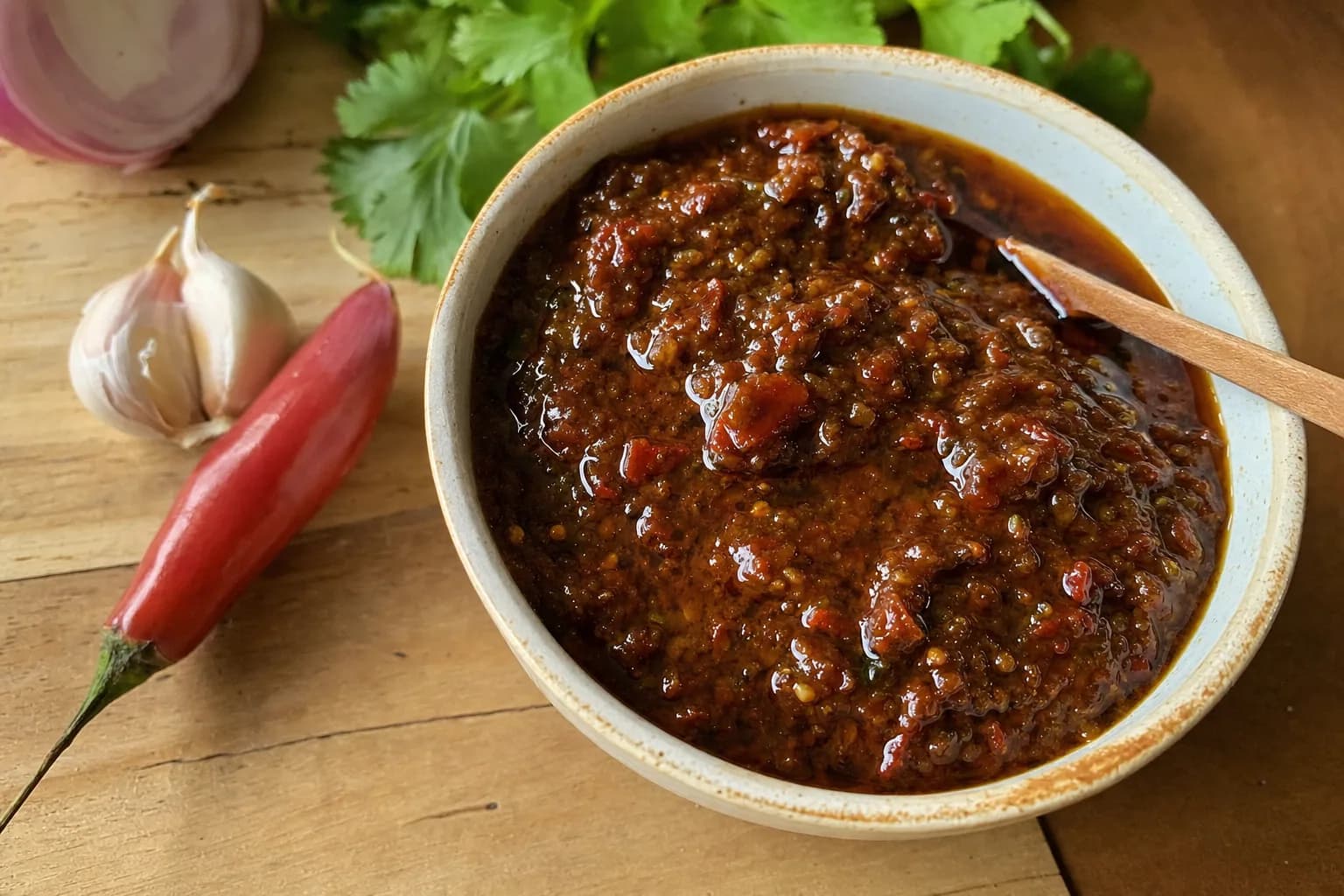
Eel Sauce
This glossy Japanese-style eel sauce is sweet, salty, and simple to make at home. Spoon it over sushi bowls, grilled fish, rice, tofu, or vegetables.
Total
20 min
Servings
About 3/4 cup
Level
Easy
Eel sauce, also called unagi sauce or unagi tare, is the shiny brown sauce often drizzled over grilled eel, sushi rolls, and rice bowls. Despite the name, it usually does not contain eel. The sauce gets its deep flavor from soy sauce, mirin, sake, and sugar.
At home, the method is simple: simmer the ingredients until the sauce reduces and turns syrupy. “Reduce” means to cook a liquid gently so some water evaporates, making the flavor stronger and the texture thicker.
Use eel sauce as a finishing sauce, not a marinade. It has sugar, so it can burn if cooked over high heat for too long. A small drizzle goes a long way.
01What you'll need
Ingredients
5 items · About 3/4 cup
- 1/2 cup soy sauce, preferably Japanese-style
- 1/2 cup mirin
- 1/4 cup sake
- 1/4 cup granulated sugar or packed light brown sugar
- 1 teaspoon rice vinegar, optional, for a brighter finish
02How to make it
Step-by-step
1. Combine the sauce base
Add the soy sauce, mirin, sake, and sugar to a small saucepan. Use a pan with a little extra room, because the mixture can bubble as it heats.
2. Warm and dissolve
Set the pan over medium heat. Stir for 1 to 2 minutes, until the sugar dissolves and the liquid looks smooth.
3. Bring to a gentle simmer
Let the sauce come to a simmer, which means small bubbles rise steadily around the edges and across the surface. Do not boil it hard, or it may reduce too fast and taste harsh.
4. Reduce the sauce
Lower the heat to medium-low. Simmer for 10 to 15 minutes, stirring now and then, until the sauce looks glossy and has reduced by about one-third.
5. Check the thickness
Dip a spoon into the sauce. It should lightly coat the back of the spoon, but it will still look a bit thinner than bottled sauce while hot. It thickens more as it cools.
6. Adjust the flavor
Taste carefully once the sauce has cooled on the spoon. Stir in the optional rice vinegar if you want a little tang to balance the sweetness.
7. Cool before using
Remove the pan from the heat and let the sauce cool for at least 10 minutes. Use it warm for drizzling, or cool it completely before storing.
8. Store in a clean jar
Pour the cooled sauce into a clean jar or airtight container. Refrigerate until ready to use.
03From our kitchen
Cook's tips
- Make-ahead: Eel sauce is a good make-ahead condiment. The flavor settles nicely after a few hours in the fridge.
- Storage: Keep it in an airtight container in the refrigerator for up to 2 weeks. Use a clean spoon each time so the sauce stays fresh.
- Freezing: Freeze in small portions for up to 2 months. Thaw in the refrigerator and stir well before using.
- If it gets too thick: Warm it gently and stir in 1 teaspoon of water at a time until it loosens.
- If it is too thin: Simmer it for a few more minutes. Watch closely near the end, because the sugar can thicken quickly.
- Soy sauce swaps: For a gluten-free version, use gluten-free tamari. For a less salty sauce, use reduced-sodium soy sauce, but expect a lighter flavor.
Cook's note
Traditional eel sauce recipes vary by cook and restaurant. Some include eel bones for deeper flavor, but this home version keeps the ingredient list simple and easy to find. It is not meant to be a thick bottled glaze straight from the stove; it becomes more syrupy as it cools.
04Frequently asked
Questions & answers
Does eel sauce contain eel?
Usually, no. Most home and restaurant-style versions are made from soy sauce, mirin, sake, and sugar. The name comes from its common use on grilled eel, also called unagi.
Can I make eel sauce without sake?
Yes. Replace the sake with water or a mild dashi. The sauce will have a little less depth, but it will still be sweet, salty, and useful for drizzling.
Can I make eel sauce without mirin?
You can use 1/2 cup water plus 2 tablespoons sugar and 1 teaspoon rice vinegar in place of the mirin. It will not taste exactly the same, but it works in a pinch.
Why did my eel sauce turn hard or sticky?
It likely reduced too far. Warm it over low heat and stir in a little water until it becomes pourable again. Next time, stop cooking when it is just thick enough to coat a spoon lightly.
What can I put eel sauce on besides sushi?
Try it on rice bowls, grilled salmon, shrimp, tofu, roasted eggplant, cucumber salad, fried eggs, or avocado. Add it at the end so the sugar in the sauce does not scorch.
05Keep cooking
You might also like
 Salads & sides
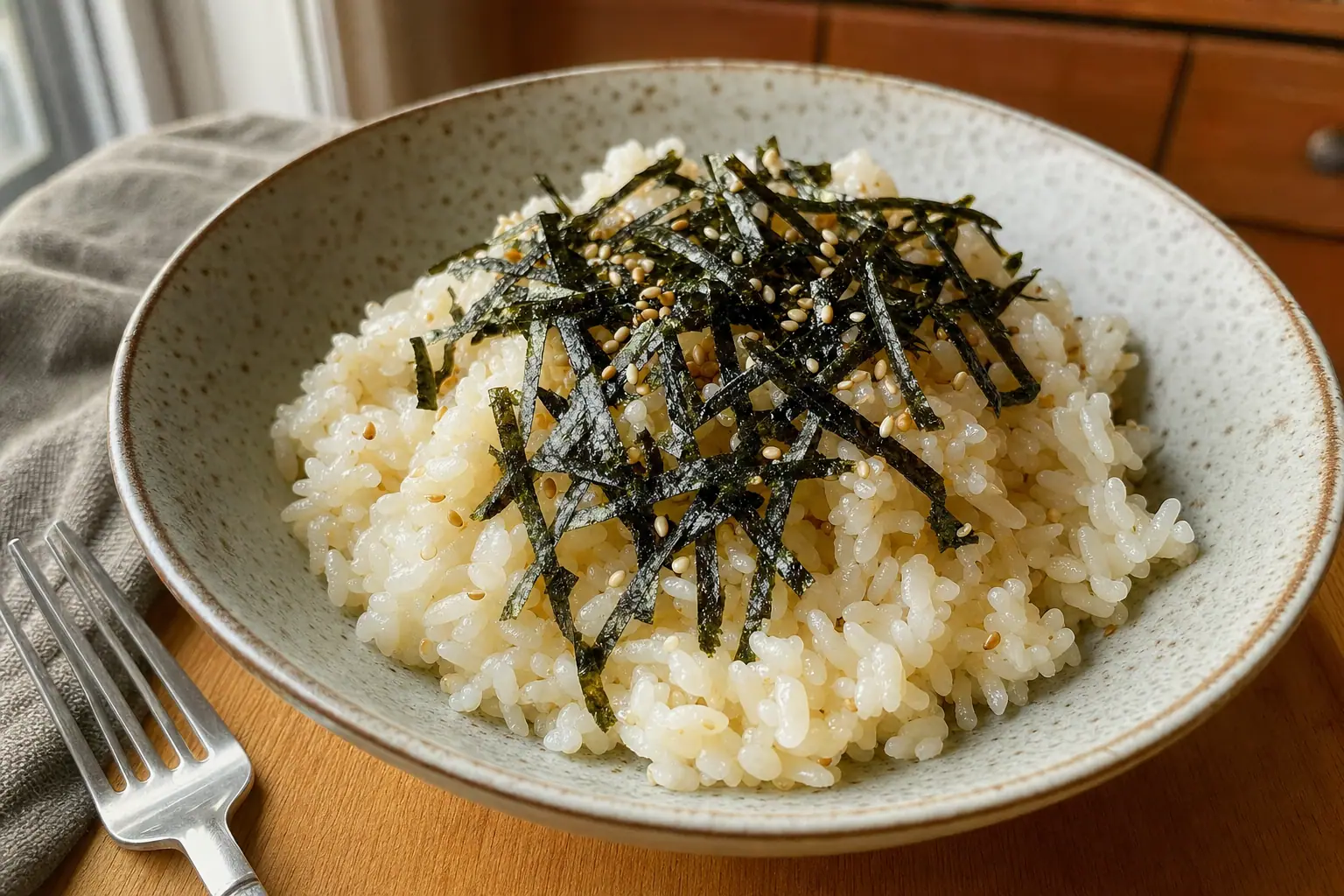
Sushi Rice
Glossy, gently seasoned sushi rice is the base for homemade rolls, hand rolls, rice bowls, and onigiri. The key is rinsing the rice well, cooking it evenly, then folding in the vinegar seasoning while the rice is still a
 Salads & sides
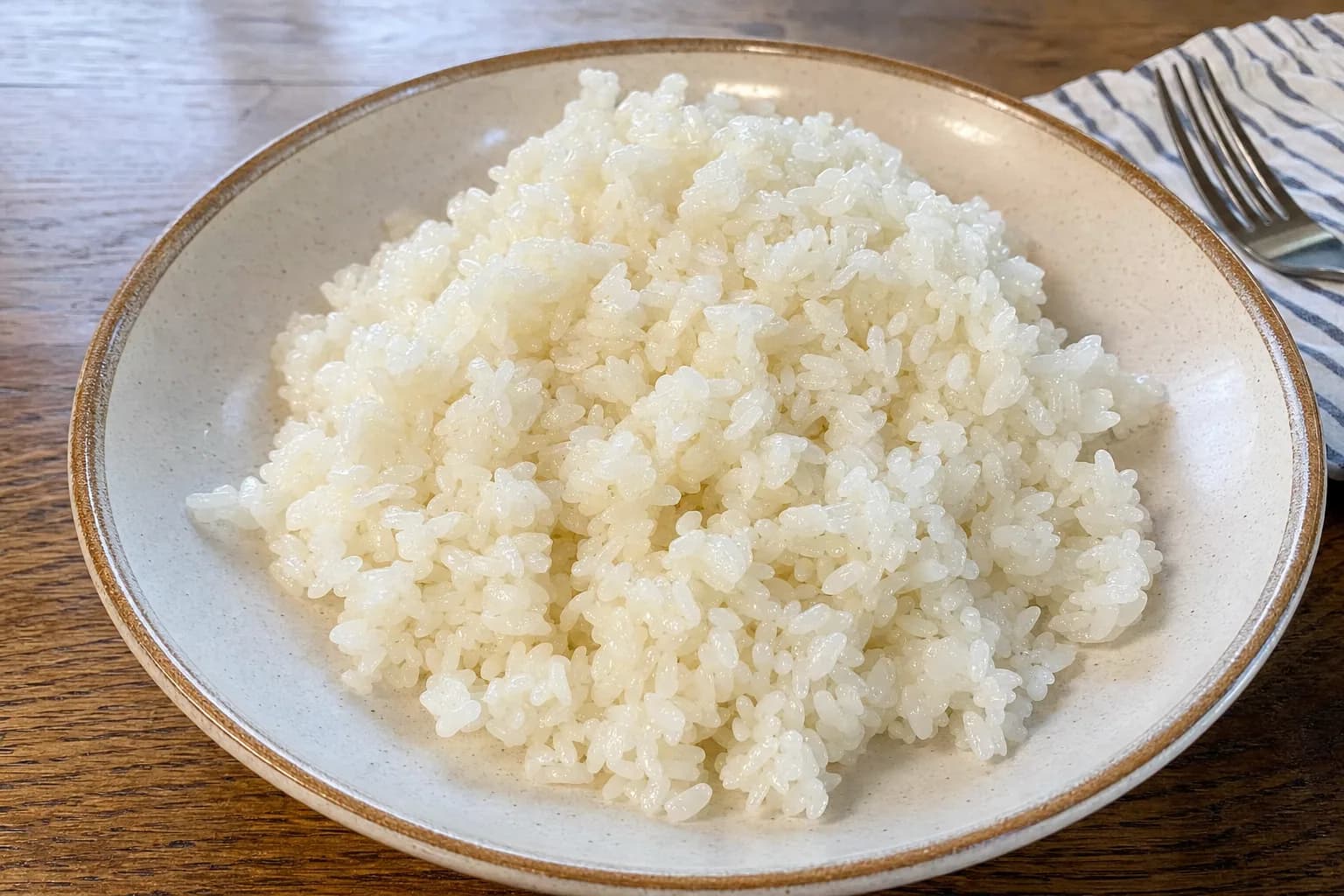
Sushi Rice
Good sushi starts with properly seasoned rice. This simple method gives you glossy, lightly sticky grains with a gentle sweet-tangy flavor for rolls, bowls, and hand-shaped sushi.
 Salads & sides
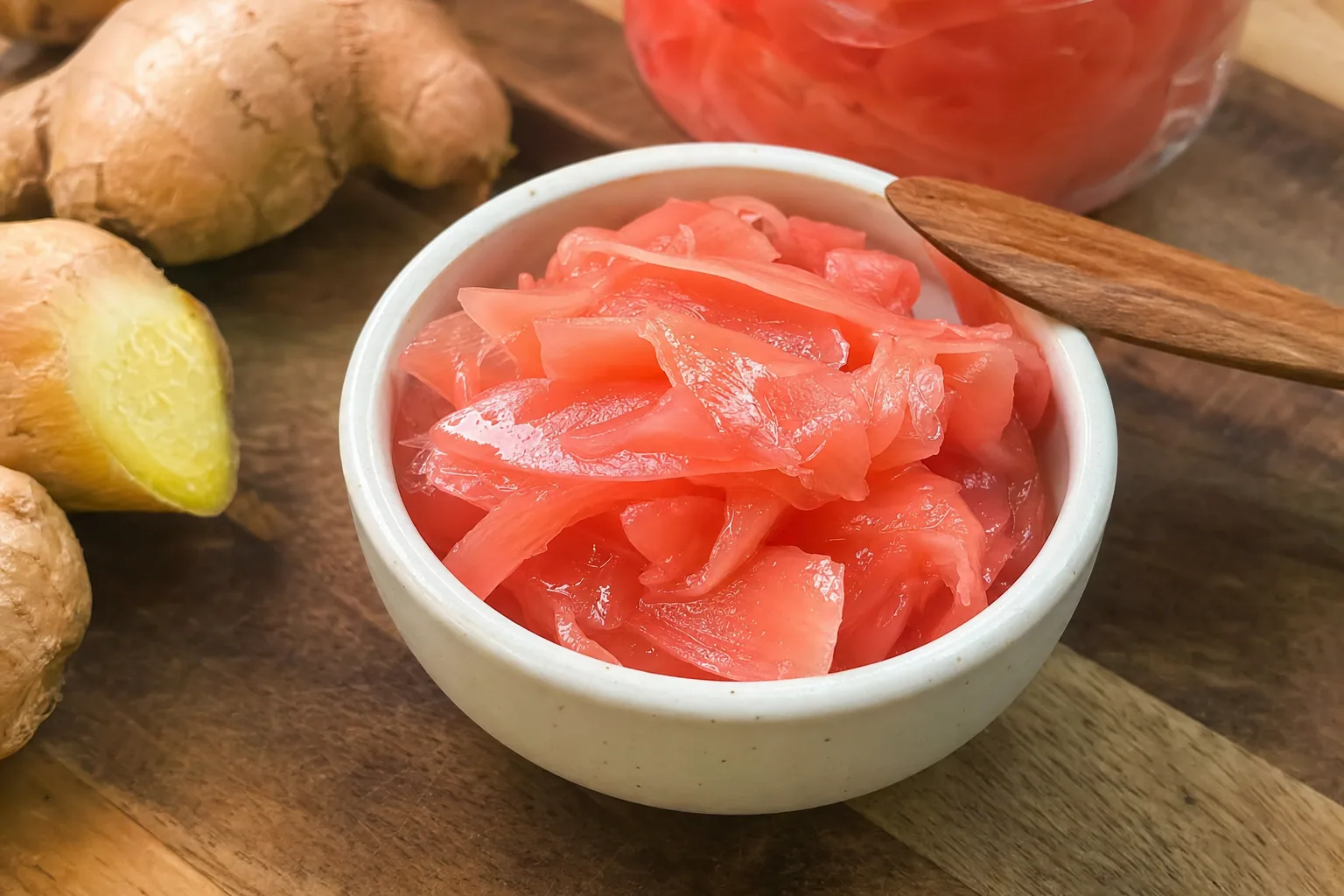
Pickled Ginger
Make crisp, tangy pickled ginger at home with fresh ginger, rice vinegar, sugar, and salt. It is a bright little side for sushi, rice bowls, noodles, and grilled fish.
 Salads & sides
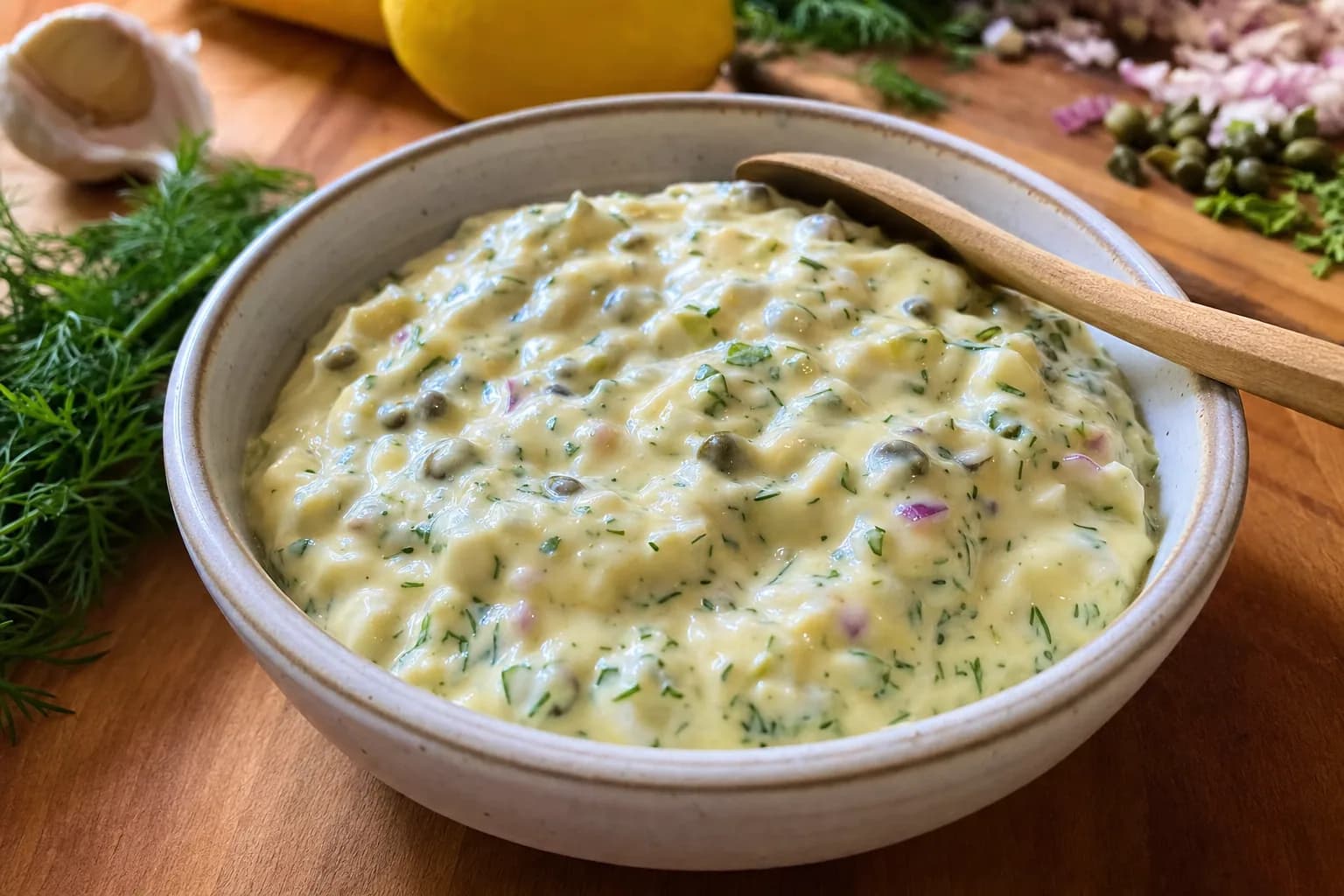
Classic Tartar Sauce
This creamy tartar sauce is bright, tangy, and easy to stir together in about 10 minutes. Serve it with fish sticks, fried seafood, crab cakes, or roasted potatoes.