
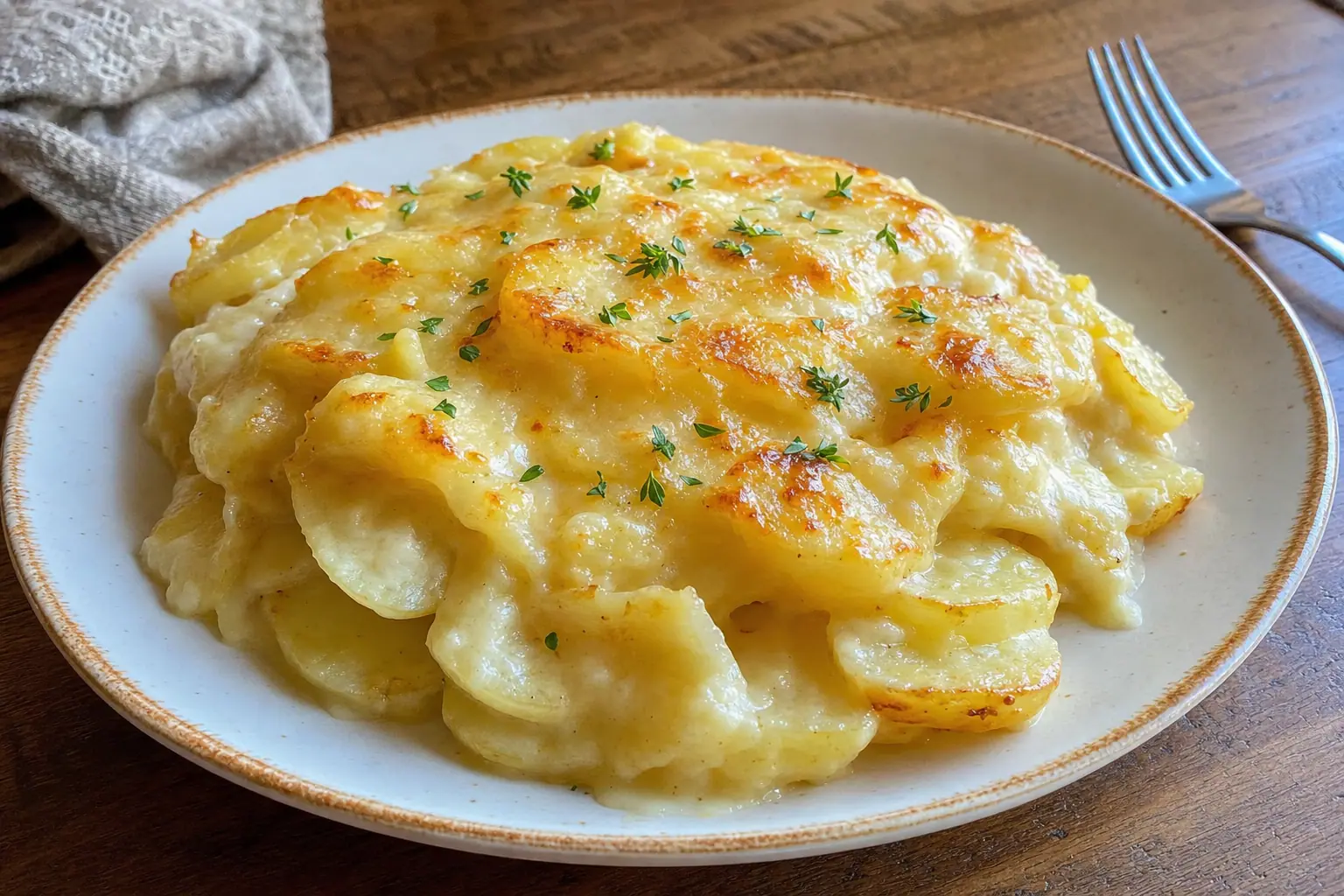
Au Gratin Potatoes
Thin slices of potato bake in a creamy garlic sauce with a golden cheese top. This classic side dish feels special, but the method is simple and easy to follow.
Total
100 min
Servings
8 servings
Level
Medium
Au gratin potatoes are a cozy baked side dish made with thinly sliced potatoes, cream, and cheese. The words “au gratin” mean the dish is finished with a browned topping, usually cheese, breadcrumbs, or both.
This version uses Yukon Gold potatoes because they turn tender and creamy without falling apart. A little garlic, thyme, and nutmeg give the sauce depth, while Gruyère and cheddar make the top bubbly and golden.
Serve these potatoes with roast chicken, ham, steak, or a simple green salad. They are rich, so a small square goes a long way.
01What you'll need
Ingredients
11 items · 8 servings
- 2 tablespoons unsalted butter, plus more for the baking dish
- 3 pounds Yukon Gold potatoes, peeled or unpeeled, sliced 1/8 inch thick
- 2 cups heavy cream
- 1 cup whole milk
- 3 garlic cloves, minced
- 1 1/2 teaspoons kosher salt
- 1/2 teaspoon black pepper
- 1/4 teaspoon ground nutmeg
- 1 teaspoon fresh thyme leaves, or 1/2 teaspoon dried thyme
- 1 1/2 cups shredded Gruyère cheese, divided
- 1 cup shredded sharp cheddar cheese, divided
02How to make it
Step-by-step
1. Heat the oven
Heat the oven to 375°F. Butter a 9-by-13-inch baking dish. This helps prevent sticking and adds flavor around the edges.
2. Slice the potatoes
Slice the potatoes 1/8 inch thick, using a sharp knife or a mandoline slicer. A mandoline is a tool that makes very thin, even slices. If you use one, use the hand guard and work slowly.
3. Warm the cream mixture
In a medium saucepan, combine the cream, milk, garlic, salt, pepper, nutmeg, thyme, and butter. Warm over medium heat until the butter melts and the mixture is steaming, but do not let it boil. Warming the liquid helps the potatoes cook evenly.
4. Layer the potatoes
Arrange half of the potato slices in the prepared baking dish, slightly overlapping them. Sprinkle with 1/2 cup Gruyère and 1/3 cup cheddar. Add the remaining potatoes in an even layer.
5. Add the sauce
Pour the warm cream mixture evenly over the potatoes. Press the potatoes down gently with a spatula so they are mostly covered by the liquid.
6. Cover and bake
Cover the dish tightly with foil and bake for 45 minutes. Covering traps steam, which helps the potatoes become tender before the top browns.
7. Add the cheese topping
Carefully remove the foil. Sprinkle the remaining Gruyère and cheddar over the top. Return the dish to the oven, uncovered, and bake for 25 to 30 minutes, until the potatoes are tender and the top is golden.
8. Rest before serving
Let the potatoes rest for 10 to 15 minutes before serving. This gives the sauce time to thicken, so the slices hold together better when scooped.
03From our kitchen
Cook's tips
- Make-ahead: Assemble the dish up to 1 day ahead, cover tightly, and refrigerate. For the best texture, wait to add the final cheese topping until just before baking. Add 10 to 15 minutes to the covered baking time if baking from cold.
- Storage: Refrigerate leftovers in an airtight container for up to 4 days. Reheat covered in a 350°F oven until hot, or microwave individual portions.
- Freezing: Creamy potato dishes can turn slightly grainy after freezing, so this recipe is best fresh. If you do freeze it, wrap tightly and freeze for up to 1 month. Thaw overnight in the refrigerator before reheating.
- Potato swap: Yukon Gold potatoes give a creamy texture. Russet potatoes also work, but they are starchier and may break down more. Avoid waxy red potatoes, which can stay too firm.
- Cheese swap: Gruyère has a nutty flavor and melts well. Swiss, fontina, Monterey Jack, or all cheddar can be used instead. For a sharper flavor, use extra sharp cheddar.
- If the top browns too fast: Loosely cover the dish with foil for the rest of the baking time. The potatoes need time to soften all the way through.
Cook's note
For even cooking, try to keep the potato slices the same thickness. If some are much thicker than others, they may stay firm while the thinner slices become soft.
04Frequently asked
Questions & answers
Do I need to peel the potatoes for au gratin potatoes?
No. Yukon Gold skins are thin and tender, so peeling is optional. Peel them if you want a smoother, more classic look.
How do I know when au gratin potatoes are done?
Slide a knife into the center of the dish. It should go through the potatoes with little resistance. The sauce should be bubbling around the edges and the cheese should be browned.
Why is my sauce watery?
The dish may need more time to bake or rest. Potatoes release moisture as they cook, and the sauce thickens as it stands. Let the dish rest for at least 10 minutes before serving.
Can I make au gratin potatoes without heavy cream?
You can use half-and-half for a lighter dish, but the sauce will be less rich and may be a little thinner. Avoid using only low-fat milk, which can separate during baking.
What is the difference between scalloped potatoes and au gratin potatoes?
Scalloped potatoes are usually baked in a cream sauce and may not include cheese. Au gratin potatoes usually include cheese and have a browned topping.
05Keep cooking
You might also like
 Salads & sides
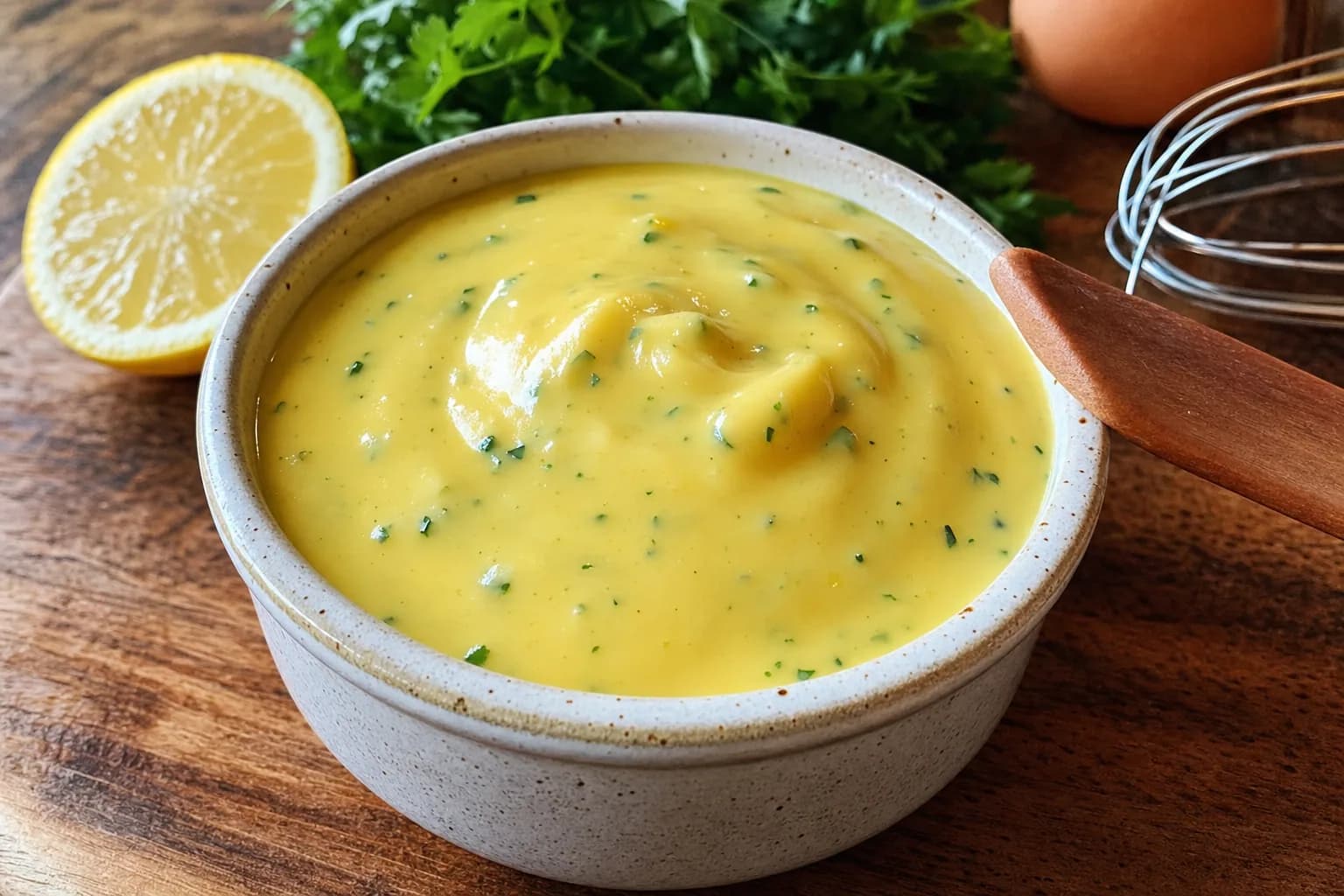
Classic Hollandaise Sauce
This silky lemon-butter sauce is the one to spoon over eggs Benedict, asparagus, salmon, or roasted potatoes. A gentle heat and slow stream of butter make it smooth, rich, and doable at home.
 Salads & sides
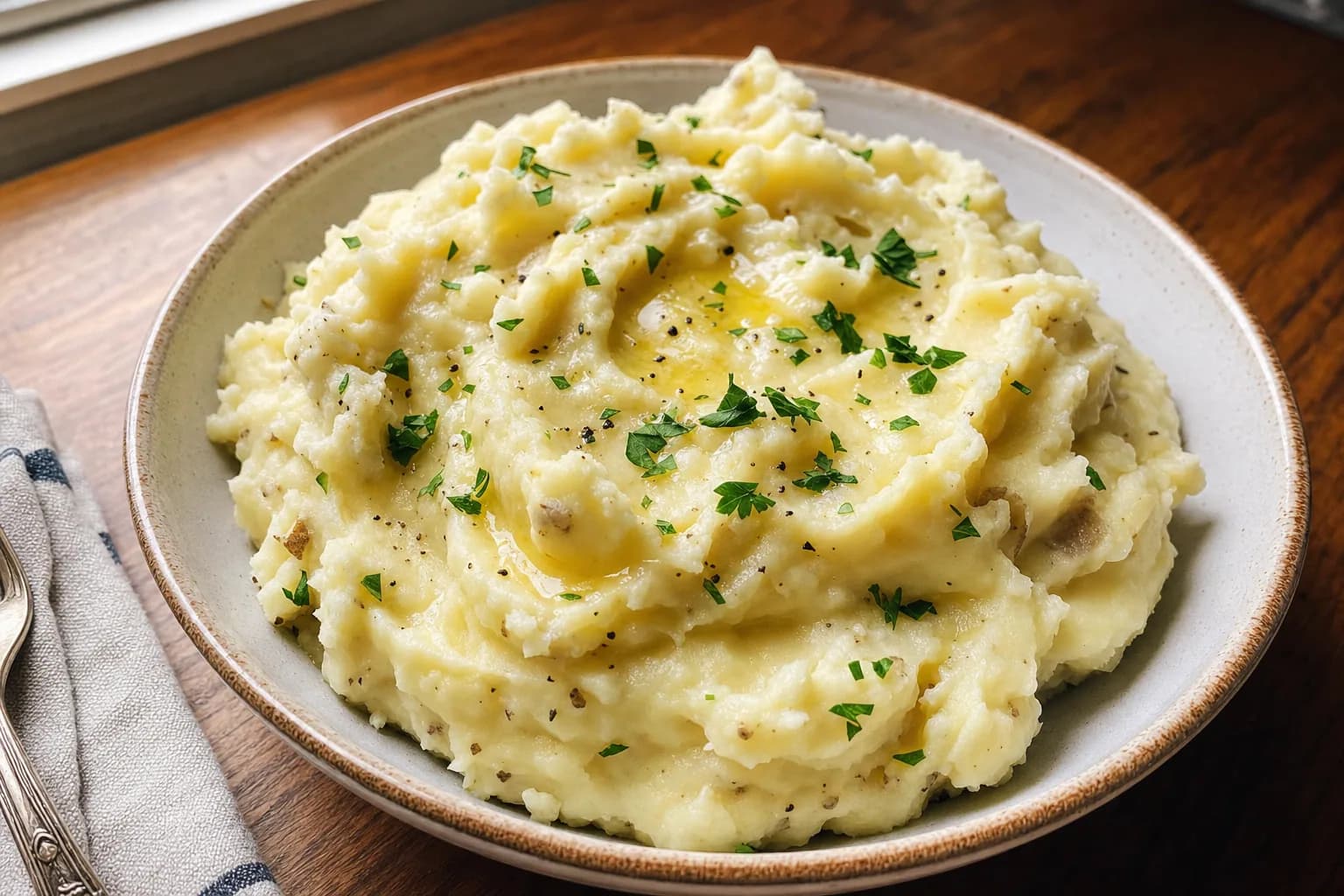
Creamy Mashed Potatoes
These mashed potatoes are smooth, buttery, and easy to make with everyday ingredients. A mix of starchy potatoes, warm dairy, and gentle mashing gives you a classic side dish without fuss.
 Salads & sides
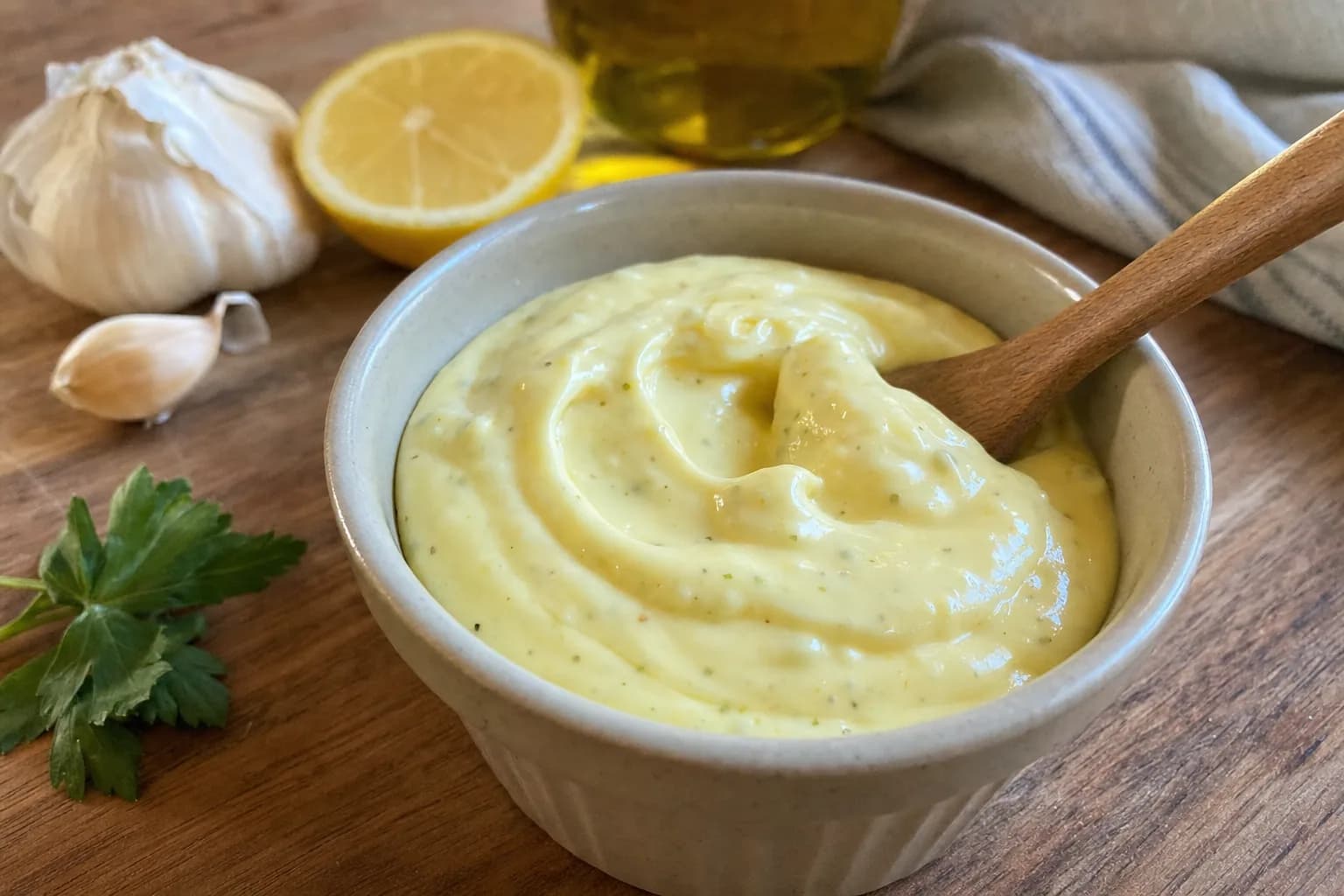
Garlic Aioli
Creamy garlic aioli is a simple sauce for fries, sandwiches, roasted vegetables, seafood, and grain bowls. This version uses an egg yolk, lemon, and a slow stream of oil to make a thick, glossy emulsion at home.
 Salads & sides
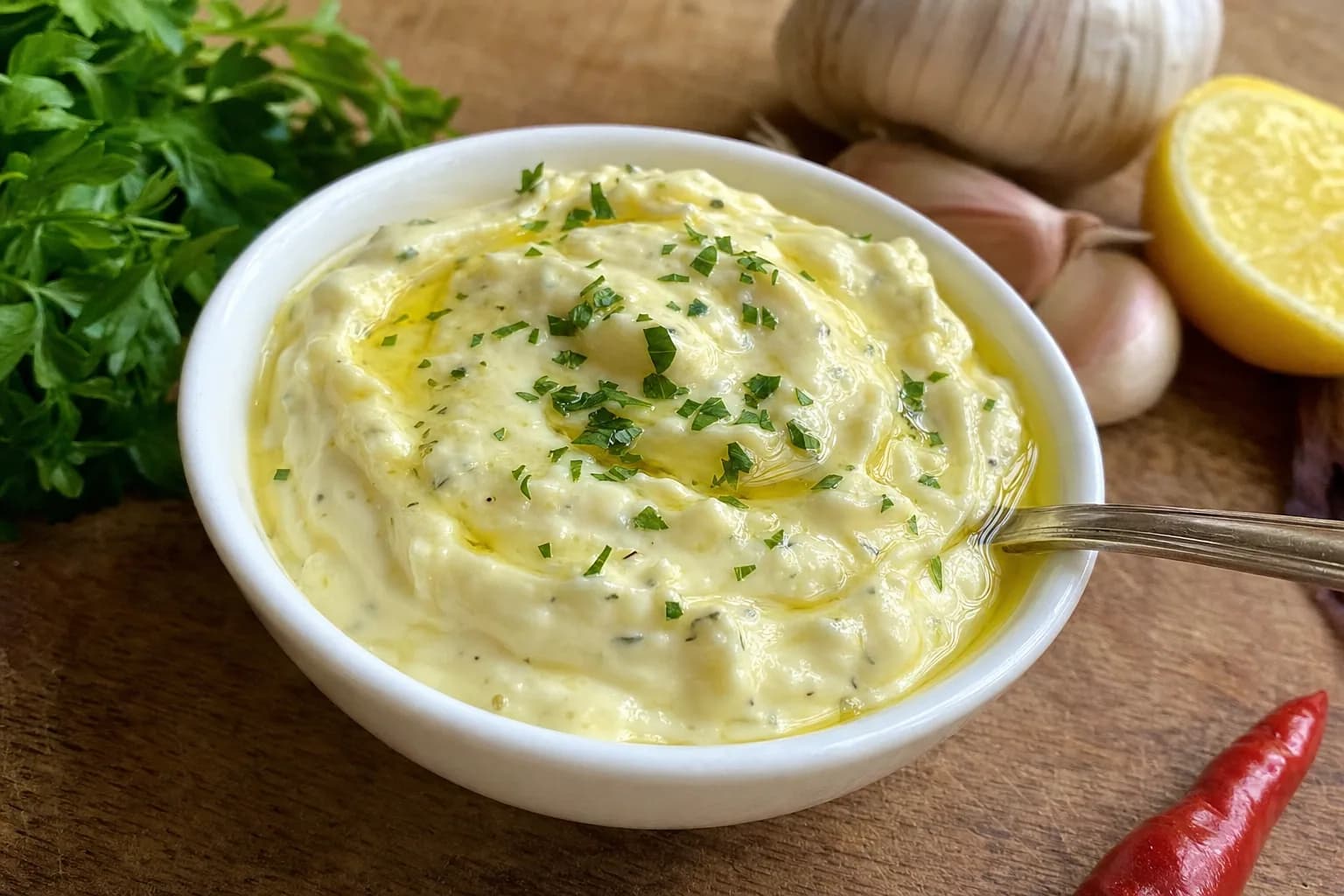
Garlic Aioli
Creamy, garlicky aioli is a simple sauce that makes fries, sandwiches, grilled vegetables, and seafood feel more complete. This version uses an egg yolk and a slow stream of oil for a smooth, spoonable texture.