
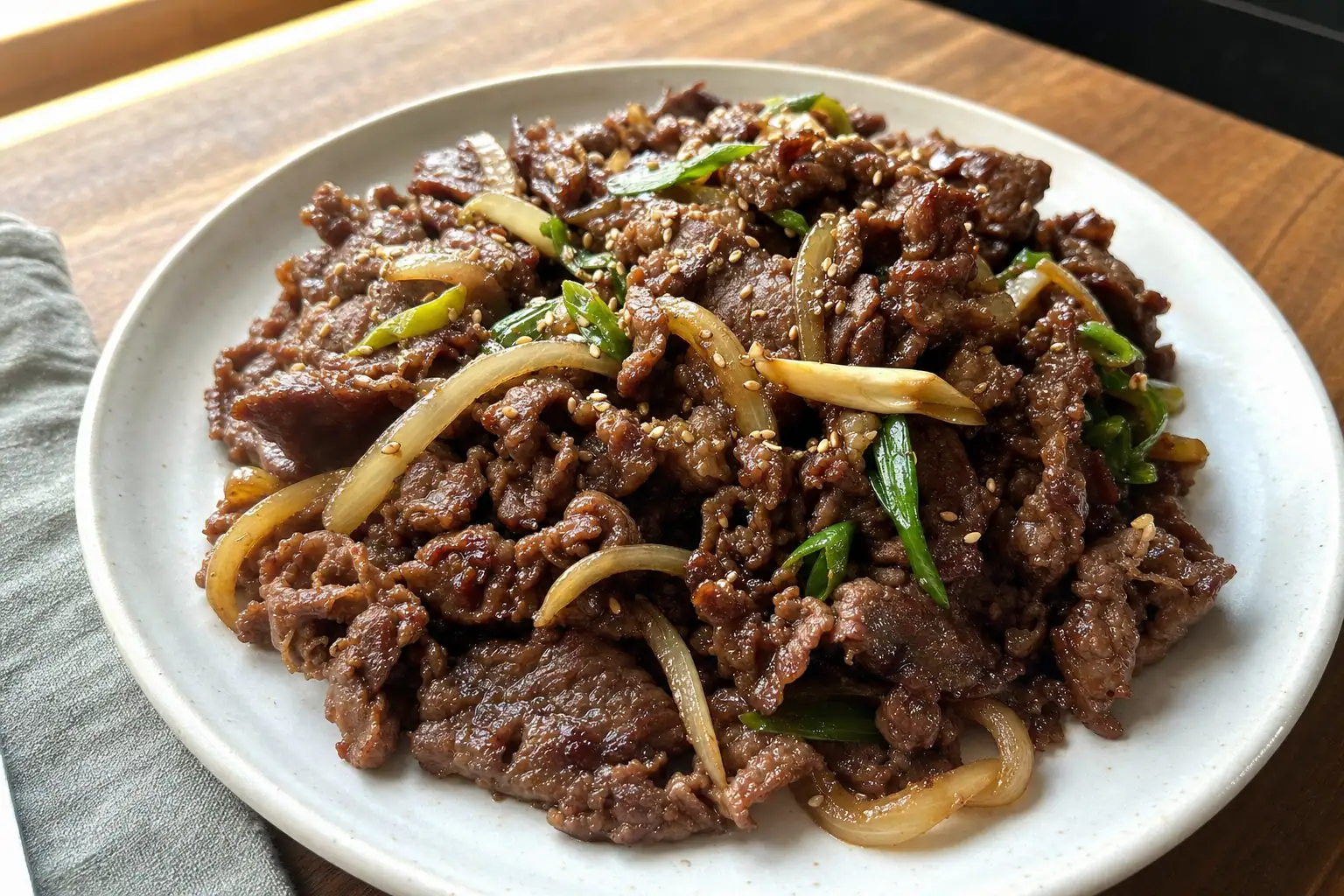
Bulgogi
Bulgogi is Korean marinated beef cooked quickly until tender, savory, and lightly caramelized. Serve it with rice, lettuce leaves, kimchi, and a few simple sides for an easy dinner with big flavor.
Total
55 min
Servings
4 servings
Level
Easy
Bulgogi means “fire meat” in Korean, but you do not need a grill to make it at home. Thin slices of beef are marinated in soy sauce, sugar, garlic, sesame oil, and grated pear, then cooked fast in a very hot pan.
The pear helps tenderize the meat and adds gentle sweetness. If you cannot find Korean pear, a ripe Bosc pear, Asian pear, or even an apple will still give the marinade balance.
This recipe is built for a weeknight. Marinate the beef while you cook rice and set out lettuce, kimchi, and sliced cucumbers, or prep it earlier in the day for an even faster dinner.
01What you'll need
Ingredients
15 items · 4 servings
- 1 1/2 pounds beef ribeye, sirloin, or top round, very thinly sliced
- 1/2 medium Korean pear, Asian pear, or ripe Bosc pear, peeled and grated
- 1/2 small yellow onion, grated or finely minced
- 1/3 cup soy sauce
- 2 tablespoons brown sugar
- 1 tablespoon honey or maple syrup
- 1 tablespoon toasted sesame oil
- 3 cloves garlic, finely grated or minced
- 1 teaspoon finely grated fresh ginger
- 1/4 teaspoon black pepper
- 2 green onions, thinly sliced, plus more for serving
- 1 tablespoon toasted sesame seeds, plus more for serving
- 1 tablespoon neutral oil, such as canola or vegetable oil, for cooking
- Cooked white rice, for serving
- Lettuce leaves, kimchi, sliced cucumbers, or other banchan, for serving
02How to make it
Step-by-step
1. Slice the beef thinly
If slicing the beef yourself, place it in the freezer for 20 to 30 minutes until firm but not frozen solid. Slice across the grain into very thin pieces, about 1/8 inch thick. “Across the grain” means cutting through the visible lines in the meat, which helps it feel more tender.
2. Mix the marinade
In a large bowl, stir together the grated pear, grated onion, soy sauce, brown sugar, honey, sesame oil, garlic, ginger, and black pepper. Add the sliced green onions and sesame seeds.
3. Marinate the beef
Add the beef to the bowl and use tongs or clean hands to coat every slice. Cover and refrigerate for at least 30 minutes, or up to 8 hours. Do not marinate much longer, especially with pear, because the meat can become too soft.
4. Prepare the pan
Heat a large cast-iron skillet, stainless-steel skillet, or grill pan over medium-high heat until hot. Add a little neutral oil and swirl to coat. A hot pan helps the marinade caramelize instead of turning watery.
5. Cook in batches
Lift some beef from the marinade, letting excess liquid drip back into the bowl. Add the beef to the pan in a single layer. Cook for 1 to 2 minutes per side, until browned at the edges and cooked through. Transfer to a plate and repeat with the remaining beef.
6. Reduce extra marinade if desired
If you want a little sauce, pour the leftover marinade into the hot pan and boil it for at least 1 full minute, stirring often. Because it touched raw beef, it must come to a full boil before serving. Spoon a small amount over the cooked beef.
7. Serve right away
Sprinkle the bulgogi with more sesame seeds and sliced green onions. Serve hot with rice, lettuce leaves for wrapping, kimchi, cucumbers, or any Korean-style side dishes you like.
03From our kitchen
Cook's tips
- Make-ahead: Mix the marinade up to 2 days ahead and keep it covered in the refrigerator. Add the beef no more than 8 hours before cooking for the best texture.
- Storage: Refrigerate cooked bulgogi in an airtight container for up to 3 days. Reheat gently in a skillet over medium heat or in the microwave until hot.
- Freezer tip: Freeze raw beef in the marinade for up to 2 months. Thaw overnight in the refrigerator before cooking. This is helpful if you buy thin-sliced beef in bulk.
- Beef swaps: Ribeye is rich and tender, sirloin is leaner, and top round is budget-friendly. For top round, slice it very thinly and avoid overcooking.
- Pear swaps: Use Asian pear, Korean pear, Bosc pear, apple, or 2 tablespoons grated kiwi. If using kiwi, marinate for only 30 minutes because it tenderizes quickly.
- If the pan gets watery: The pan may be crowded or not hot enough. Cook in smaller batches and let the pan heat back up between batches.
Cook's note
Many Korean markets sell beef already sliced for bulgogi, which saves time and gives the right texture. If you buy thicker steak, chilling it in the freezer briefly makes thin slicing much easier.
04Frequently asked
Questions & answers
What cut of beef is best for bulgogi?
Ribeye is the most tender and flavorful choice, but sirloin and top round also work well. The most important part is slicing the beef very thinly across the grain.
Can I make bulgogi without pear?
Yes. Use grated apple, a splash of pineapple juice, or simply leave it out. The flavor will be slightly different, but the soy sauce, garlic, sugar, and sesame oil still make a good marinade.
Can I grill bulgogi instead of using a pan?
Yes. Use a grill basket, griddle, or a piece of foil with small holes, because the thin slices can fall through grill grates. Cook over high heat in small batches until browned and cooked through.
Why is my bulgogi not browning?
The pan is probably too crowded or there is too much marinade going into the skillet. Let the beef drip a little before cooking, use high heat, and cook in batches so the meat sears instead of steams.
Is bulgogi spicy?
Classic beef bulgogi is usually savory and slightly sweet, not very spicy. If you want heat, add sliced fresh chilies, a spoonful of gochujang, or a pinch of gochugaru to the marinade.
05Keep cooking
You might also like
 Dinner
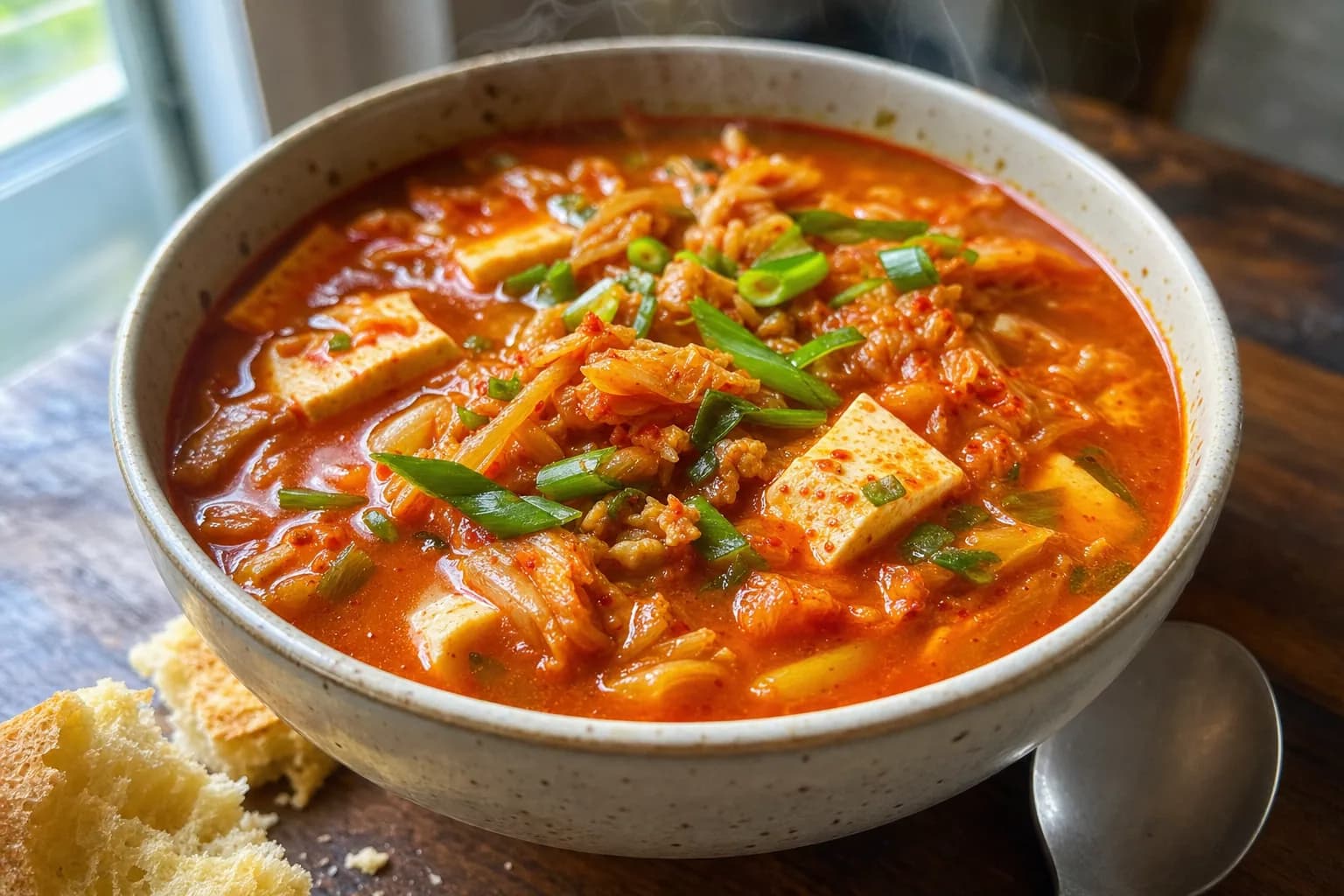
Kimchi Soup
This warming kimchi soup is tangy, savory, and gently spicy, with tofu, pork, and plenty of fermented cabbage in a rich broth. It is a weeknight-friendly take on Korean kimchi jjigae, made with simple steps and flexible,
 Dinner
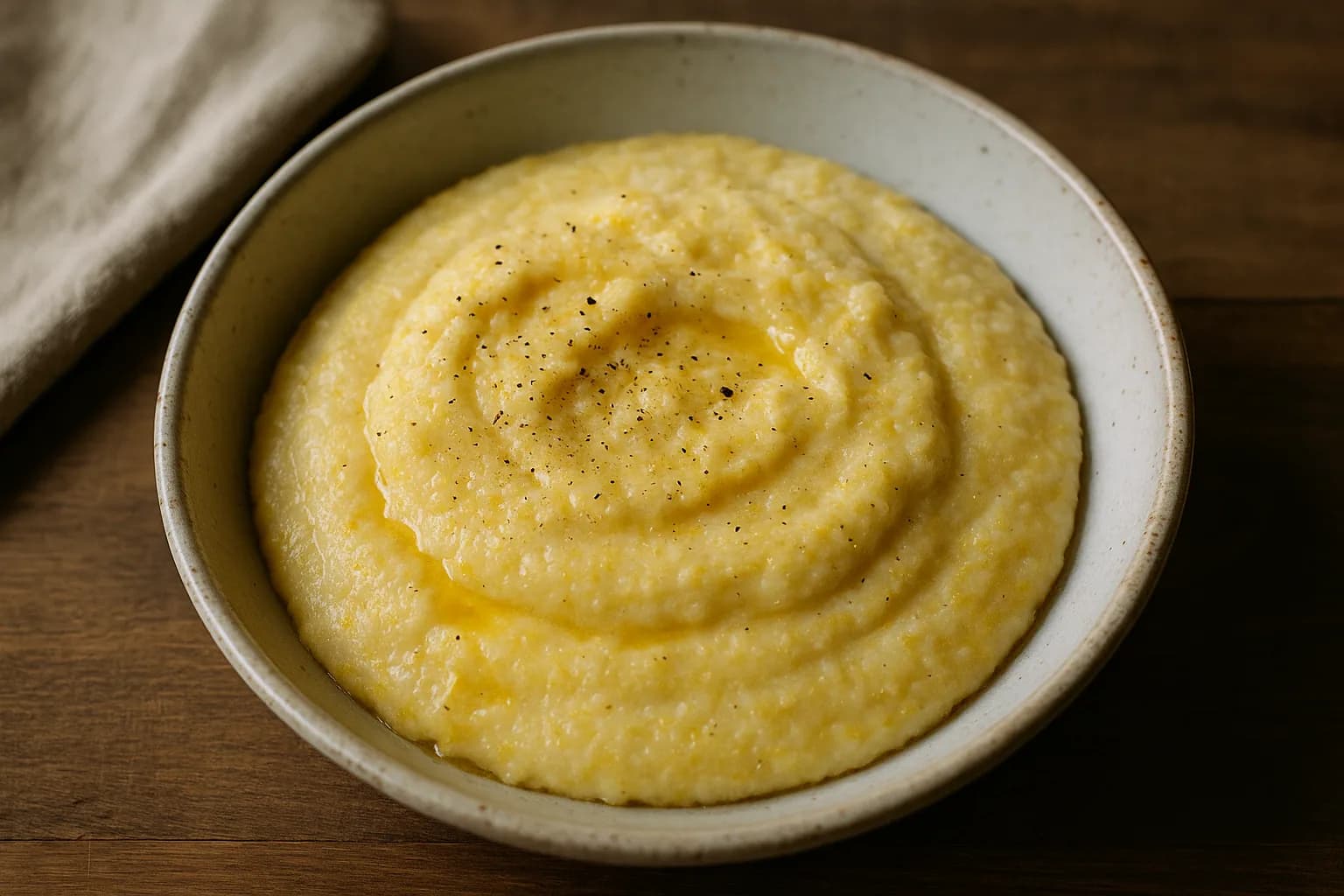
Creamy Polenta
Whip up this comforting and versatile dish in no time with just a few simple ingredients.
 Dinner
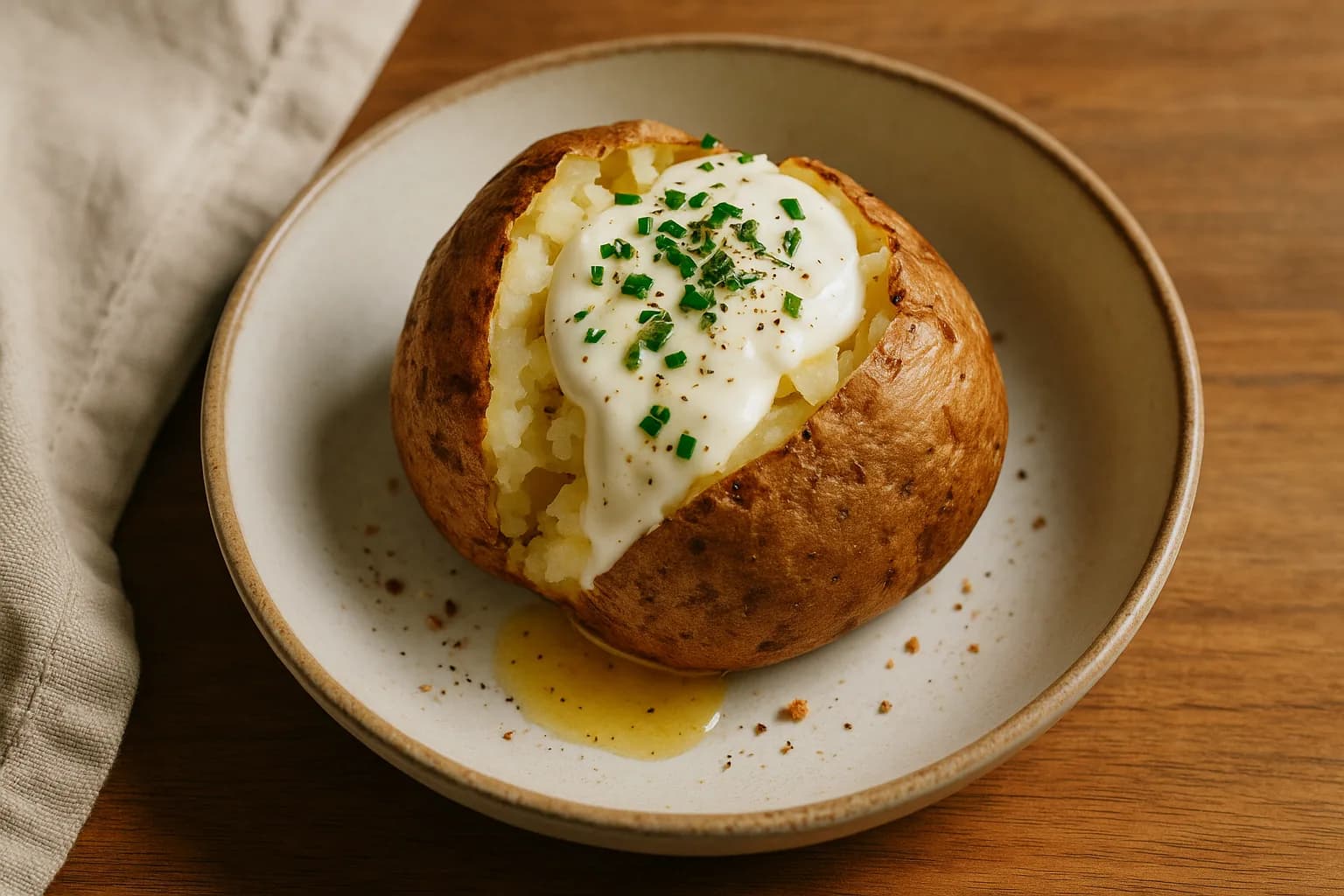
Perfectly Baked Potato
Master the art of making a classic baked potato with this simple guide.
 Dinner
Comforting Garlic Soup
Warm up with this gentle but flavorful garlic soup that's perfect for cozy evenings.