
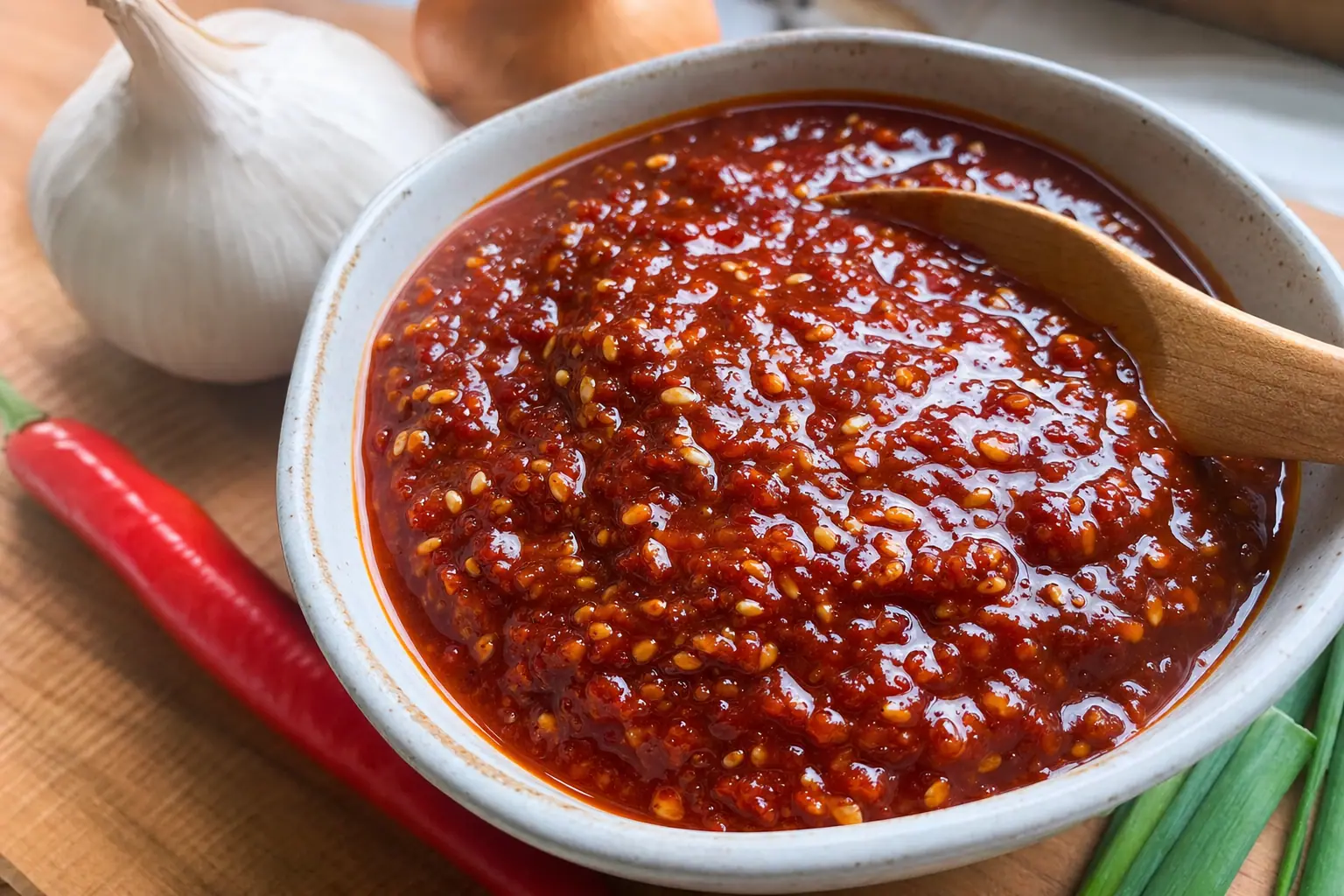
Korean BBQ Sauce
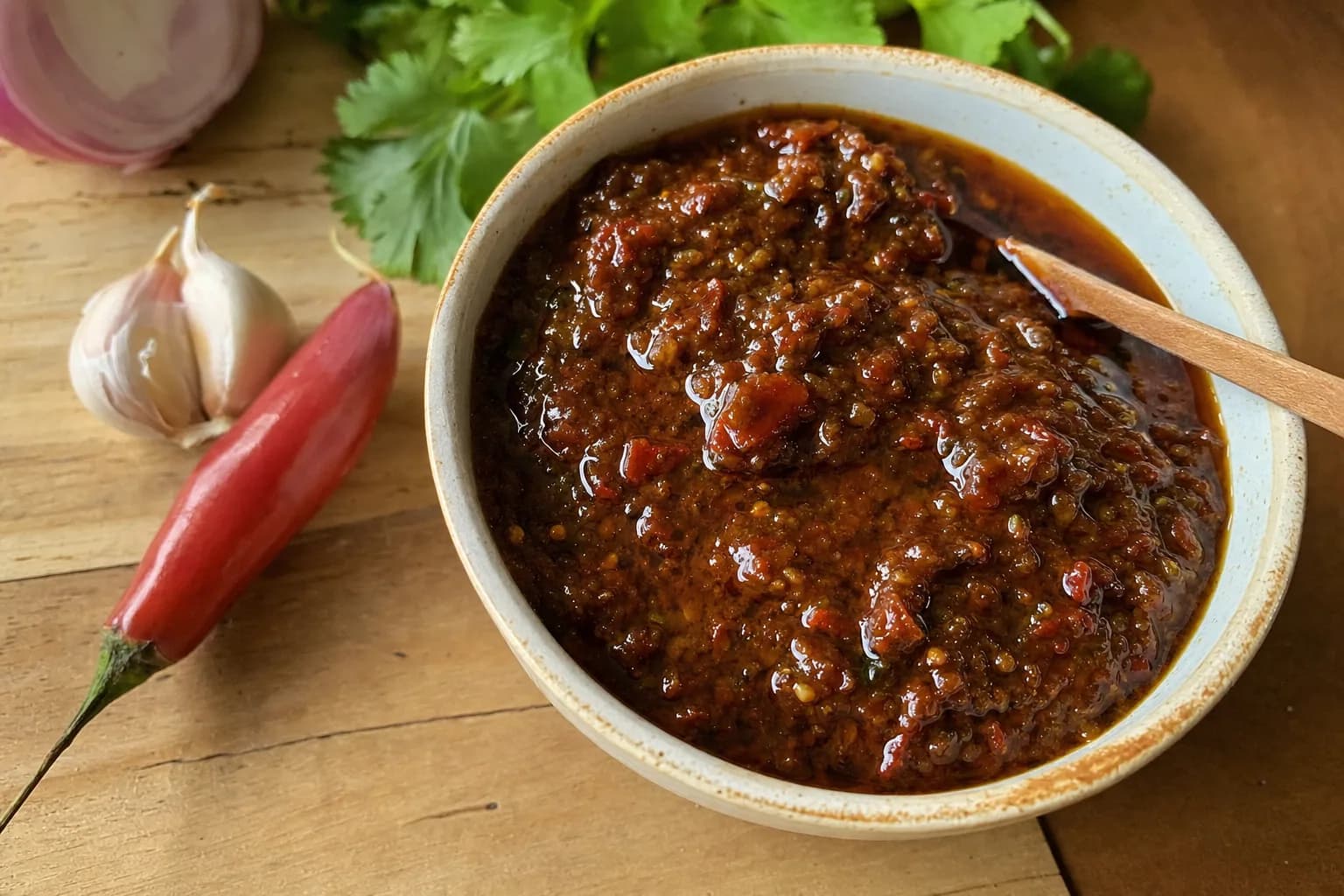
This glossy Korean-style BBQ sauce is sweet, savory, garlicky, and a little spicy. Brush it on grilled meats, spoon it over rice bowls, or use it as a quick marinade when dinner needs more flavor.
Total
20 min
Servings
About 1 1/2 cups
Level
Easy
Korean BBQ sauce is all about balance. Soy sauce brings salt, brown sugar adds sweetness, garlic and ginger give it warmth, and gochujang adds gentle heat with a deep, savory flavor.
This version is cooked briefly on the stove so it turns shiny and brushable. It works as a glaze for grilled chicken, beef, pork, tofu, mushrooms, or vegetables.
A grated pear or apple helps round out the sauce and gives it a light fruity sweetness. It is a small step, but it makes the sauce taste fuller without much extra work.
01What you'll need
Ingredients
13 items · About 1 1/2 cups
- 1/2 cup low-sodium soy sauce
- 1/3 cup packed light brown sugar
- 1/4 cup grated Asian pear, regular pear, or apple
- 3 tablespoons gochujang, or less to taste
- 2 tablespoons rice vinegar
- 1 tablespoon toasted sesame oil
- 1 tablespoon mirin or water
- 3 cloves garlic, finely grated or minced
- 1 tablespoon finely grated fresh ginger
- 1 teaspoon cornstarch
- 2 tablespoons cold water
- 1 tablespoon toasted sesame seeds, optional
- 2 thinly sliced green onions, optional
02How to make it
Step-by-step
1. Mix the sauce base
In a small saucepan, combine the soy sauce, brown sugar, grated pear or apple, gochujang, rice vinegar, sesame oil, mirin, garlic, and ginger. Stir until the sugar starts to dissolve.
2. Warm it gently
Set the pan over medium heat. Bring the mixture to a gentle simmer, which means small bubbles should appear around the edges, not a hard boil.
3. Simmer to blend
Cook for 4 to 5 minutes, stirring often. This softens the garlic and ginger and helps the flavors come together.
4. Make the slurry
In a small bowl, stir the cornstarch with the cold water until smooth. This mixture is called a slurry, and it helps thicken the sauce without lumps.
5. Thicken the sauce
Slowly stir the slurry into the simmering sauce. Cook for 1 to 2 minutes, stirring constantly, until the sauce looks glossy and lightly coats the back of a spoon.
6. Taste and adjust
Remove the pan from the heat. Taste carefully. Add a splash more vinegar for brightness, a little more brown sugar for sweetness, or more gochujang for heat.
7. Finish and cool
Stir in sesame seeds and green onions, if using. Let the sauce cool for a few minutes before brushing it on food or pouring it into a clean jar.
8. Use it safely
If using as a marinade for raw meat, set aside some clean sauce first for serving or glazing. Do not reuse sauce that has touched raw meat unless you boil it for at least 1 full minute.
03From our kitchen
Cook's tips
- Make-ahead: This sauce is a good make-ahead recipe. The flavor gets rounder after a few hours in the fridge.
- Storage: Keep it in a clean, sealed jar in the refrigerator for up to 1 week. Stir before using, as the sesame oil may rise to the top.
- Freezing: Freeze in small portions for up to 2 months. Thaw in the refrigerator and warm gently before using.
- Heat level: Gochujang can vary in spice. Start with 1 to 2 tablespoons if you prefer a milder sauce, then add more after tasting.
- Fruit swap: Asian pear is classic, but a regular pear or sweet apple works well. In a pinch, use 2 tablespoons unsweetened applesauce.
- Soy sauce swap: Use tamari for a gluten-free version, but check that your gochujang is also gluten-free if needed. Use coconut aminos for a soy-free option, though the sauce will taste sweeter and less salty.
Cook's note
This sauce is designed as both a glaze and a table sauce. For the cleanest flavor, brush it on during the last few minutes of grilling so the sugar caramelizes without burning.
04Frequently asked
Questions & answers
Can I use this Korean BBQ sauce as a marinade?
Yes. Use about 1/3 cup sauce per pound of meat, tofu, or vegetables. Marinate chicken, pork, or beef for 30 minutes to overnight. For tofu or vegetables, 15 to 30 minutes is usually enough.
Is Korean BBQ sauce very spicy?
This version is mildly to moderately spicy, depending on your gochujang. For a mild sauce, use 1 tablespoon gochujang. For more heat, use 3 to 4 tablespoons or add a pinch of red pepper flakes.
Can I make it without gochujang?
You can, but the flavor will be different. Try 1 tablespoon miso plus 1 to 2 teaspoons chili garlic sauce or sriracha. It will not taste exactly the same, but it will still be savory and useful.
Why did my sauce get too thick?
It may have simmered too long or boiled too hard. Whisk in water, 1 tablespoon at a time, until it loosens to the texture you like.
When should I brush it on grilled food?
Brush it on during the last 3 to 5 minutes of cooking. The sugar in the sauce can burn if it sits over high heat for too long.
05Keep cooking
You might also like
 Salads & sides
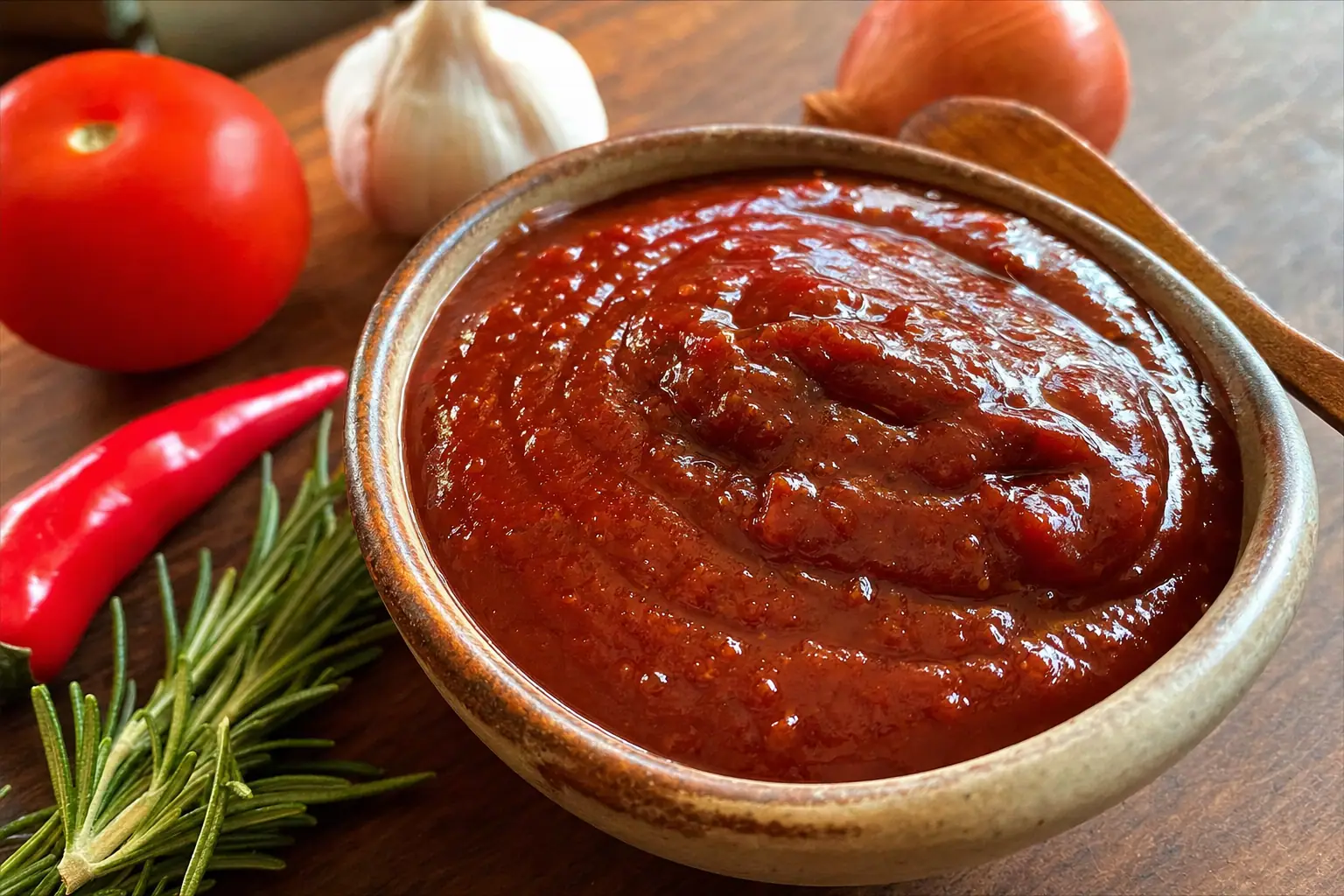
Homemade BBQ Sauce
This easy BBQ sauce is tangy, lightly sweet, and smoky enough for ribs, chicken, burgers, and roasted vegetables. It comes together in one saucepan with pantry ingredients and keeps well in the fridge.
 Salads & sides
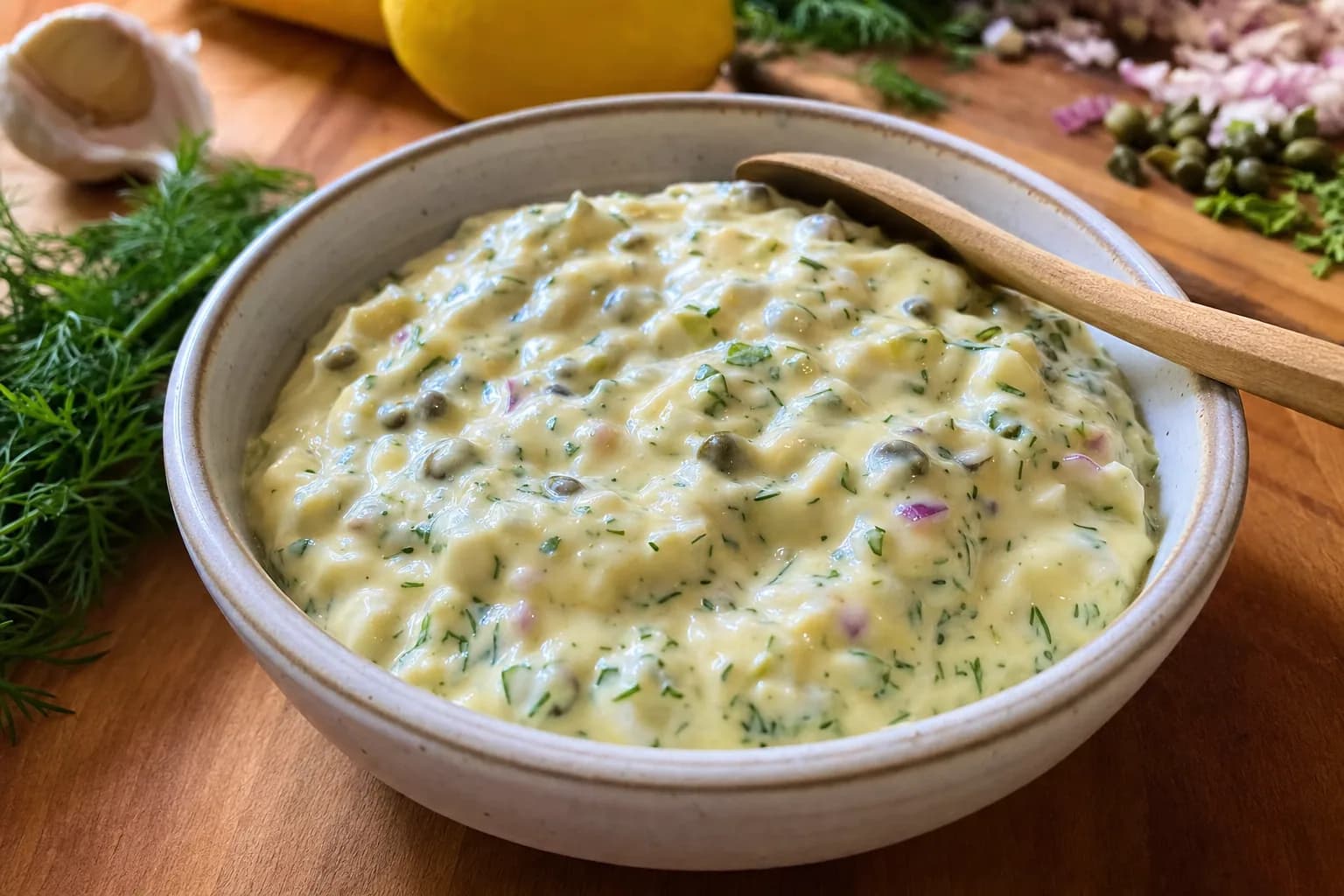
Classic Tartar Sauce
This creamy tartar sauce is bright, tangy, and easy to stir together in about 10 minutes. Serve it with fish sticks, fried seafood, crab cakes, or roasted potatoes.
 Salads & sides
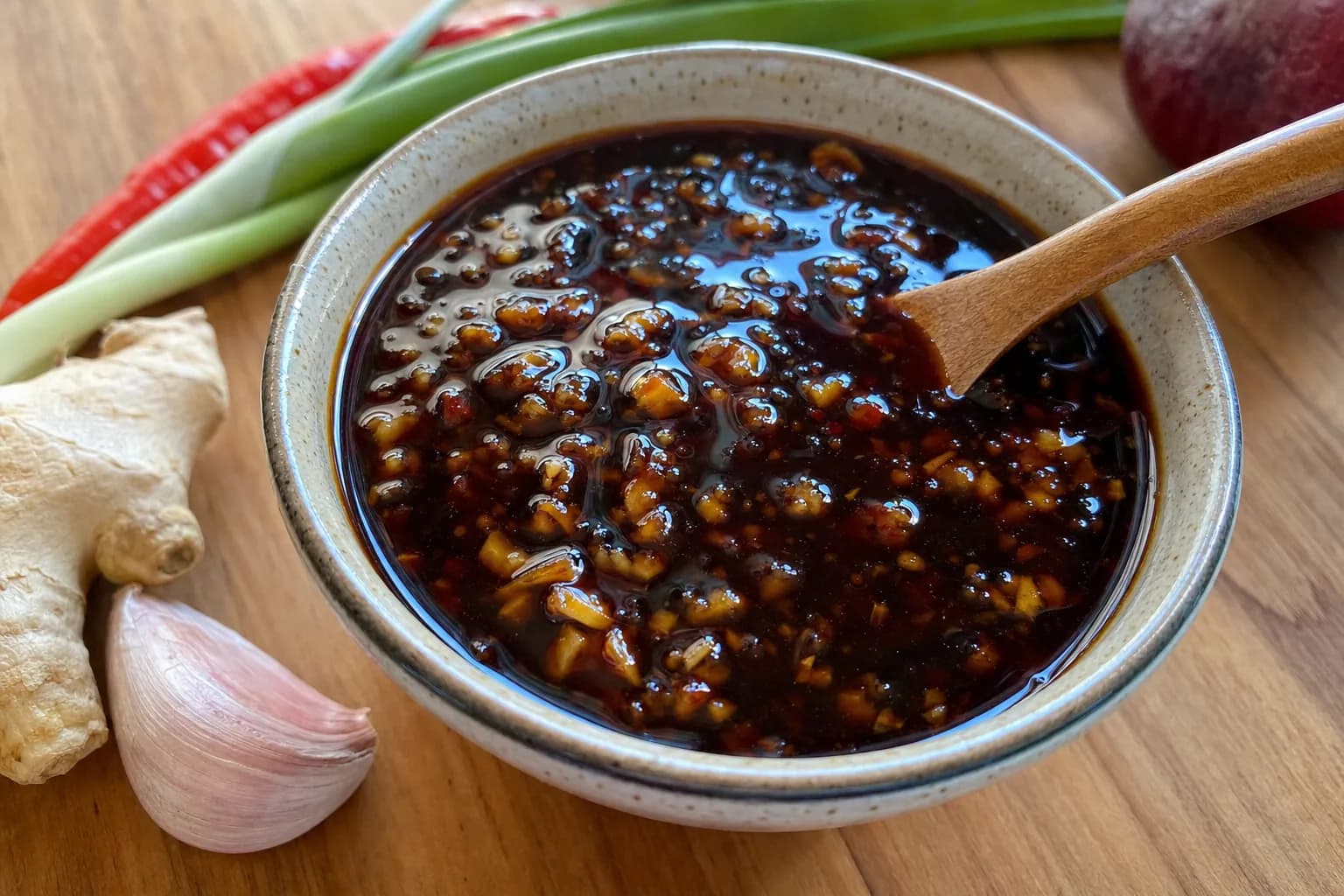
Teriyaki Sauce
This simple teriyaki sauce is glossy, salty-sweet, and ready in about 15 minutes. Brush it on chicken, spoon it over rice bowls, or use it as a quick stir-fry sauce.
 Salads & sides
Eel Sauce
This glossy Japanese-style eel sauce is sweet, salty, and simple to make at home. Spoon it over sushi bowls, grilled fish, rice, tofu, or vegetables.